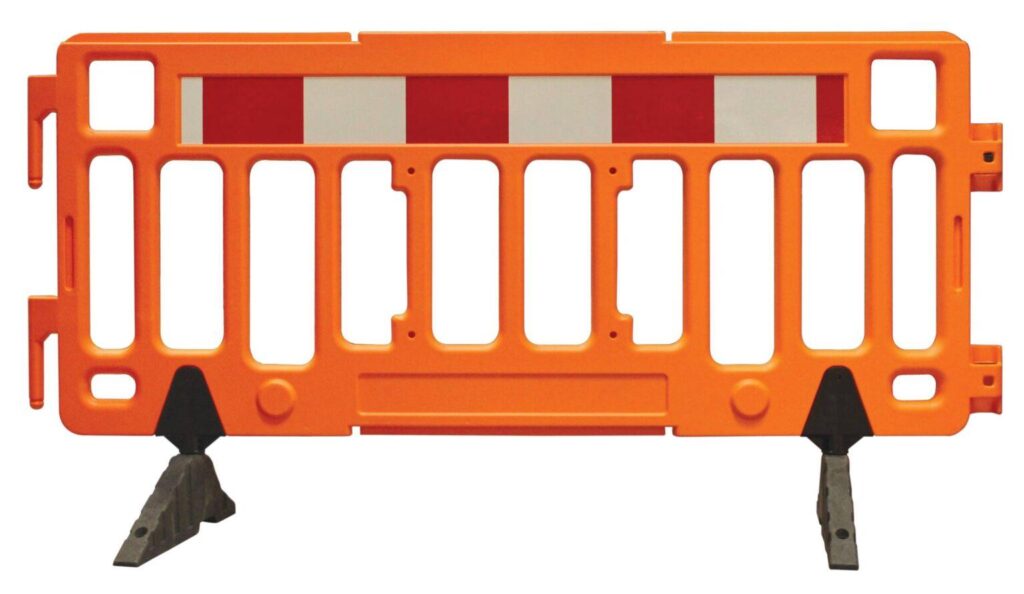
In the evolving world of construction, urban development, and public events, the need for effective pedestrian safety measures has never been more urgent. Temporary pedestrian fencing has become an indispensable tool for providing flexible security while ensuring the safety of the general public. Whether it’s a construction site, a public event, or an area undergoing repairs, these temporary barriers offer a practical and efficient way to segregate pedestrians from hazardous zones.
The Role of Temporary Pedestrian Fencing
Temporary fencing serves as a physical barrier that separates pedestrians from potential risks, including ongoing construction projects, demolition sites, or hazardous environments. The fencing acts as a clear boundary, guiding pedestrians safely around dangerous areas and preventing access to potentially unsafe zones. This type of fencing is not only crucial for public safety but also ensures that workers on the site are not distracted or disrupted by unauthorised foot traffic.
Unlike permanent security measures, temporary fencing is designed to be set up quickly and removed just as efficiently once the need for it has passed. This flexibility makes it particularly ideal for locations or events where the perimeter might change regularly or where short-term safety measures are required. The ability to deploy and adjust fencing as necessary offers valuable advantages for project managers, event organisers, and safety personnel.
Materials and Design: A Customisable Approach
One of the key advantages of temporary fencing is its versatility in materials and design. The most common material used is steel, offering durability and strength. Steel fences can be equipped with mesh panels, solid panels, or barbed wire for added security, depending on the level of protection required. However, temporary fencing can also be made of lighter materials like plastic or PVC, which are ideal for less hazardous areas or public events where aesthetics might be important.
These fences come in a range of styles and sizes, giving users the freedom to customise according to their needs. For example, fencing at a construction site might include sturdy panels and tall structures, while temporary barriers around a festival or sporting event might feature lower fences with more transparent designs for visibility.
Flexibility and Mobility
Temporary fencing is celebrated for its flexibility and portability. Unlike permanent barriers, temporary fencing can be erected quickly and moved without difficulty. This mobility allows for the rapid adjustment of security measures in response to changing conditions or unexpected risks. For instance, a construction project might require shifting the pedestrian pathway as work progresses, and temporary fencing provides an efficient way to adapt to these changes in real-time.
Legal and Regulatory Considerations
In many regions, temporary fencing is not just a best practice; it’s a legal requirement. Local safety regulations and building codes often mandate barriers to be in place around hazardous construction sites to protect pedestrians. Failure to comply with these regulations can lead to fines, delays, and potential liability in the event of an accident. As a result, businesses and contractors must ensure they have the right temporary fencing in place before beginning projects that could impact public safety.
Environmental and Sustainability Benefits
As urban areas become more conscious of their environmental footprint, temporary fencing has also evolved to become more eco-friendly. Many manufacturers now offer fencing made from recycled materials, reducing the environmental impact of the manufacturing process. Furthermore, because these fences are reusable, they contribute to sustainable practices by lowering the demand for new materials and minimising waste.
Final Thoughts
Temporary pedestrian fencing is an essential tool for ensuring the safety and security of people in dynamic environments. Its flexibility, ease of use, and adaptability to various settings make it an ideal solution for construction projects, public events, and any situation where pedestrian safety must be prioritised.