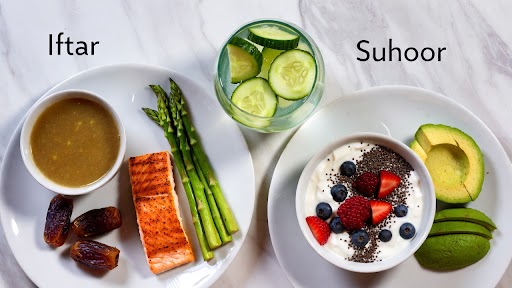
UK Ramadan Nutrition Guide
Ramadan is a time of spiritual focus, community, and fasting from dawn to sunset. For many people in the UK, it also means adjusting routines around work, family and health. If you are taking medications like Mounjaro (tirzepatide) or Wegovy (semaglutide) to support weight management, planning your meals during Ramadan becomes even more important.
These medications affect appetite and digestion, and fasting can change how your body responds to food and hydration. With thoughtful planning, you can stay well nourished and comfortable while observing your fast.
In this guide you will find:
- Practical tips for eating while on Mounjaro or Wegovy
- Suhoor and Iftar meal plans
- Hydration strategies
- How to manage medication timing
- What to watch for medically
This guide is written for people in the UK, with food ideas that are easy to prepare and suitable for a fasting day.
How Mounjaro and Wegovy Affect Eating
Mounjaro and Wegovy work on hormones that influence appetite and blood sugar. They can:
- Reduce hunger
- Slow stomach emptying
- Make large meals feel heavy
That means your body might need smaller, nutrient-dense meals during Ramadan. Eating the right balance of food at Suhoor and Iftar can help you manage hunger, keep energy levels steady, and reduce digestion discomfort after breaking your fast.
Always follow your healthcare professional’s guidance on medication adjustments during fasting. If you take your medication with food, they can advise on the safest schedule for Ramadan.
Key Principles for Ramadan Eating on These Medications
- Focus on nutrient density more than calories.Choose foods that give lasting energy, protein and fluids instead of empty calories.
- Balance carbohydrates with protein and healthy fats. This combo helps control blood sugar and keeps you full longer.
- Hydrate well between Iftar and Suhoor. Fasting hours in the UK can be long in Ramadan. Dehydration can make hunger signals stronger and affect energy.
- Keep portions moderate. Because these medicines can slow digestion, very large meals can feel heavy or uncomfortable.
- Plan meals ahead. Having a set menu helps you avoid impulsive choices that might spike blood sugar or lead to gut upset.
Suhoor Meal Plan Ideas
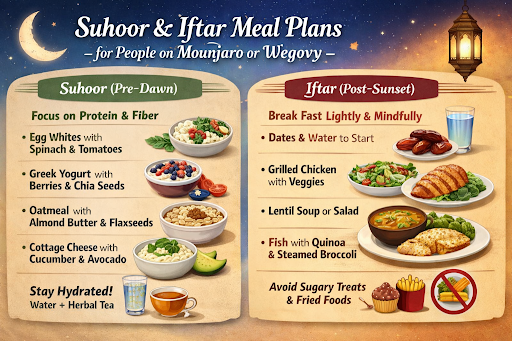
Suhoor is your pre-dawn meal. The goal is gentle, slow-burning energy that carries you through the day.
What to Include
- Protein like eggs, Greek yogurt or cottage cheese
- Low glycaemic carbs like oats, wholegrain toast or quinoa
- Healthy fats such as chia, flaxseeds, nuts or avocado
- Fluid such as water, milk or unsweetened herbal tea
Sample Meal Plan
Option 1: Oats and Eggs
- Porridge made with rolled oats and semi-skimmed milk
- Sprinkle chia seeds and sliced almonds on top
- 1 boiled egg
Glass of water or herbal tea
Option 2: Wholegrain Toast and Yogurt
- 2 slices wholemeal toast with peanut butter
- Bowl of Greek yogurt with berries and a drizzle of honey
- Water with a squeeze of lemon
Option 3: Savoury Quinoa Bowl
- Warm quinoa with spinach, cherry tomatoes and grilled halloumi
Sprinkle with pumpkin seeds - Water or caffeine-free drink
Snacks at Suhoor
If you need a little extra, add:
- A handful of mixed nuts
- A piece of fruit like an apple or pear
Iftar Meal Plan Ideas
Iftar is your evening meal, usually after sunset. Break your fast gently and let your body adjust before a main plate.
Best Opening Foods
Start with:
- Dates (1 to 3): a traditional source of quick energy
- Water or an electrolyte drink
- Light soup such as lentil or minestrone
Wait 10 minutes after these before your main meal.
Main Meal Components
Your plate should include:
- Protein: chicken, fish, turkey, tofu or lentils
- Vegetables: a mix of cooked and fresh
- Complex carbs: brown rice, wholewheat pasta, sweet potato
- Healthy fats: olive oil, avocado, seeds
Sample Iftar Plan
Starter
- 2 dates and a glass of water
- Lentil soup
Main Plate
- Grilled salmon with lemon
- Roasted sweet potato
- Steamed broccoli and carrots
- Side salad with olive oil
Dessert (optional)
- Fruit salad with a dollop of natural yogurt
Drinks
- Water throughout the evening
- Caffeine-free tea if you enjoy it
Hydration Tips for Long Fasts
Staying hydrated from Iftar to Suhoor can help hunger, headaches and energy levels. Try these:
- Drink at least 1.5 to 2 litres of fluid between Iftar and Suhoor
- Sip water regularly rather than large amounts at once
- Include fluids from food like soups, smoothies and fruits
- Avoid too much caffeine after Iftar as it can act as a diuretic
In the UK, Ramadan hours can be long. If you notice dizziness, extreme thirst or dark urine, drink more water and talk to a clinician.
Adjusting Medication Timing
Mounjaro and Wegovy are usually taken once weekly, but the day you choose to take them during Ramadan might need review.
- Consult your doctor or diabetes specialist nurse before changing your schedule.
They can tell you whether to take your dose on a different day or how to time it around fasting. - If you are new to these medications, consider starting Ramadan with a stable routine first.
- Watch for any side effects like nausea or low blood sugar. These can feel different during fasting.
What to Watch For
Low Blood Sugar (Hypoglycemia)
Even if you are not diabetic, reduced food intake plus these medications can affect your blood sugar. Symptoms include:
- Feeling shaky
- Sweating
- Confusion
- Weakness
Keep glucose tablets or a small sugary snack at hand for Iftar if needed. Seek medical support if symptoms are frequent.
Digestive Discomfort
Foods high in fat or very spicy meals at Iftar can feel heavy because the medicine slows stomach emptying. If you feel bloated:
- Eat smaller portions
- Chew slowly
- Choose lighter foods
Dehydration
Watch your urine colour and thirst signals. Increase water intake between Iftar and Suhoor. If you have kidney issues or other health problems, follow your clinician’s advice.
Final Tips
- Plan your meals weekly. It reduces stress and helps you eat balanced plates.
- Include physical activity lightly. Gentle walks after Iftar can help digestion.
- Listen to your body. Fasting with medication is personal. If you feel unwell, speak with your healthcare team.
Ramadan is a time of reflection and community. With mindful meal planning and good hydration, you can maintain your health while observing your fast.