For anyone with vision correction needs, a reliable pair of spectacles is an everyday essential. Good spectacles combine accurate lenses, comfortable frames, and a style that suits your personality. With many options available in-store and online, it helps to know which factors deserve the most attention. A careful checklist ensures that new glasses feel comfortable, support eye health, and match your daily routine.
Start with a Recent Eye Examination
Before choosing new prescription spectacles, it is important to have an up‑to‑date eye test. Vision can change gradually, and using an outdated prescription may cause headaches, eye strain, or blurred vision. An eye examination also checks overall eye health, including screening for conditions such as glaucoma, cataracts, or retinal issues.
Once you have a current prescription, it becomes the foundation for selecting lenses and frames. Keep a copy of your prescription details handy, particularly if you plan to buy spectacles online, where you may need to enter specific numbers for each eye.
Choosing the Right Spectacle Frames
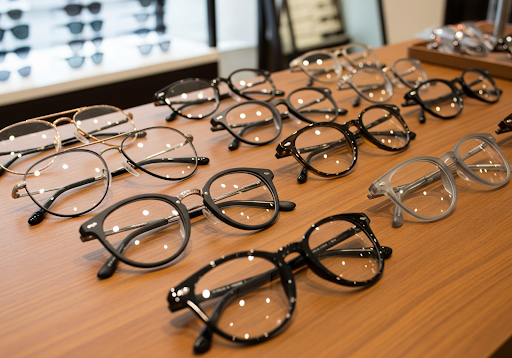
Frames influence how glasses feel and how they look on your face. When evaluating spectacle frames, consider size, shape, and material. Frames should be wide enough to align comfortably with your temples without squeezing, and the bridge should sit securely on your nose without sliding.
Face shape can guide style choices. Round faces often suit angular frames; square faces may benefit from softer, rounder frames; and oval faces generally accommodate many styles. Trying different shapes helps you see which designs best complement your features. Material also matters: metal frames are often slim and lightweight, while acetate offers bolder colours and patterns.
Understanding Lens Types
Different lifestyles require different lens solutions. Single‑vision lenses correct either distance or near vision and are common for people who mainly have trouble seeing either far away or up close. Bifocal lenses separate distance and near zones with a visible line, while progressive lenses provide a smooth transition between distances without a visible segment.
Discuss your daily activities with your eye care provider. If you spend many hours at a computer, specialised lenses designed for intermediate and near distances may reduce strain. Drivers might prioritise lenses that enhance contrast and reduce glare, particularly at night or in bright sunlight.
Considering Lens Coatings and Enhancements
Lens coatings can significantly improve comfort and durability. Anti‑reflective coatings reduce glare from screens, headlights, and overhead lights, making vision clearer and less tiring. Scratch‑resistant coatings help lenses withstand everyday bumps and cleaning.
Photochromic lenses that darken in sunlight and clear indoors can be practical for people who frequently move between indoor and outdoor environments. Blue‑light filtering coatings may provide relief for those spending extended time in front of digital devices, though they should be considered alongside proper ergonomics and regular breaks.
Comfort and Fit Adjustments
Even high‑quality spectacles can feel uncomfortable if not properly adjusted. Temples should rest lightly over the ears without pressing, and the frame should not leave red marks on the nose. In some cases, small adjustments—such as slightly bending the temples or adjusting the nose pad position—can make a big difference.
Optical shops typically offer fitting services when you collect your new spectacles. If purchasing online, look for retailers that offer guidance on home fitting or in‑store adjustment options after delivery. A correct fit not only improves comfort but also ensures that lenses align correctly with your eyes.
Buying Spectacles Online vs In-Store
Buying spectacles online offers convenience and often a wider range of styles. When doing so, pay close attention to frame measurements and use tools such as virtual try‑on features where available. Have your pupillary distance (PD) measurement ready, as this helps position the optical centre of each lens correctly.
However, in‑store experiences let you try frames in person and receive immediate professional advice. Many people choose a hybrid approach: they research styles and options online, then visit a store to confirm fit before finalising their decision.
Conclusion
Purchasing new spectacles is an opportunity to improve both vision and comfort. By starting with a current prescription, evaluating frames carefully, understanding lens types, and considering useful coatings, you can select glasses that support your daily activities and personal style. Whether bought online or in‑store, well‑chosen spectacles help you see clearly and feel confident in every setting.