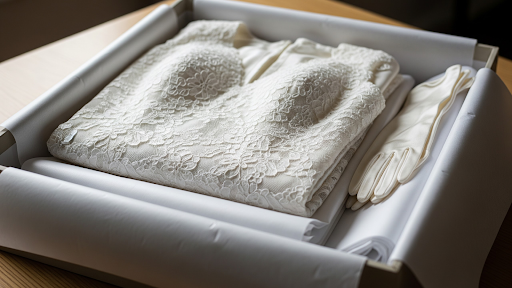
A wedding dress carries far more than fabric and design. It holds emotion, memories, and moments that feel impossible to recreate. As time passes, however, even the most carefully stored gowns can begin to change.
Subtle discoloration, fading, or fabric weakness may appear, slowly diminishing the beauty it once had. These changes often happen gradually, making them easy to overlook at first.
Understanding the value of wedding dress restoration highlights these early signs and offers a way to revive what may seem lost. With the right approach, a gown can regain much of its original charm while preserving the memories it represents.
Why Wedding Dresses Change Over Time
Many assume that careful storage is enough to keep a dress in perfect condition. While it certainly helps, it does not stop the natural aging process completely.
Several factors contribute to deterioration:
- Invisible stains from body oils and perspiration
- Exposure to air and humidity
- Natural chemical breakdown of fabric fibers
These changes often happen gradually. A dress may look fine for years before yellowing or discoloration becomes noticeable. By then, the damage can feel overwhelming.
What is the Hidden Impact of Time
One of the most overlooked aspects of dress care is the effect of unseen residue. Even when a gown appears clean, substances left behind after the wedding can begin to oxidize.
This leads to:
- Yellowing in lighter fabrics
- Darkened patches around seams and folds
- Weakening of delicate materials
These issues are not always permanent, but they do require careful attention to correct.
What Restoration Really Means
Restoration is often misunderstood as simple cleaning. In reality, it is a more detailed and thoughtful process.
It focuses on:
- Treating long-term discoloration
- Addressing deep-set stains
- Reviving the overall appearance of the gown
Unlike routine cleaning, restoration requires a deeper understanding of fabric behavior and aging patterns. Each dress is unique, and the approach must reflect that.
When Should You Consider Restoration for Your Wedding Dress
It is not always easy to decide when a dress needs restoration. However, there are some clear indicators.
You may want to consider it if you notice:
- Yellow tones appearing on the fabric
- Old stains are becoming more visible
- A dull or uneven appearance
- Loss of brightness in lace or embellishments
Taking action at the right time can increase the chances of successfully restoring the gown.
Why Proper Handling Matters for Delicate Wedding Dresses
Delicate fabrics such as silk, lace, and tulle require careful handling. Attempting to fix discoloration at home can sometimes worsen the issue.
Professional approaches are designed to:
- Protect fragile materials
- Use techniques suited for aged fabrics
- Deliver consistent and safe results
Understanding how wedding dress restoration works can help make informed decisions about properly preserving a gown.
Preserving Meaning Beyond the Fabric
For many people, a wedding dress is not simply something stored away. It represents a meaningful part of their story. Some hope to pass it down, while others want to keep it as a personal memory.
Restoration allows these intentions to remain possible. It offers a way to reconnect with something that might otherwise feel lost to time.
A Thoughtful Approach to Care
Choosing restoration is not about perfection. It is about care and intention. It is about recognizing that certain pieces deserve attention beyond ordinary maintenance.
With the right approach, even a aged gown can regain much of its beauty. More importantly, it can continue to hold the memories that made it special in the first place.
Conclusion
Time may leave its mark on even the most carefully kept wedding dresses, yet it cannot diminish the memories and emotions woven into every stitch. With careful restoration and preservation, a gown can regain much of its original beauty, allowing it to once again reflect the elegance and sentiment of the day it was first worn.
Thoughtful care ensures that fabrics remain strong, delicate details stay intact, and the dress continues to tell its story. In this way, a wedding dress becomes more than just a garment. It becomes a timeless keepsake capable of carrying the joy, love, and special moments of one day for many years or even generations to come.