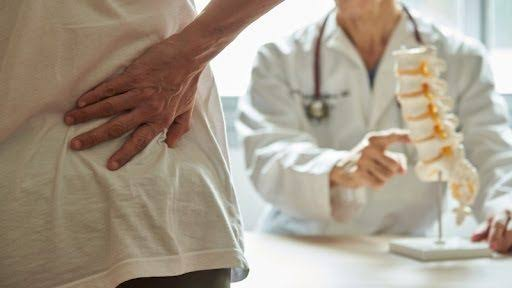
Spinal conditions can affect mobility, comfort, and daily activities. While many people improve with medicines, physiotherapy, and lifestyle changes, some conditions require surgery when symptoms persist or nerve compression affects movement and function. Modern surgical techniques now allow selected spine disorders to be treated through smaller incisions, helping reduce disruption to surrounding tissues.
Consulting a spine specialist in Delhi helps determine whether minimally invasive spine surgery is the right treatment option. The decision depends on the patient’s symptoms, diagnosis, overall health, and response to conservative treatment. A careful evaluation ensures that surgery is recommended only when it is clinically appropriate.
What Is Minimally Invasive Spine Surgery?
Minimally invasive spine surgery uses small incisions and specialised instruments to treat spinal disorders. Surgeons often use imaging guidance to reach the affected area with greater precision while limiting disruption to nearby muscles and soft tissues.
Compared with traditional open surgery, this approach generally involves less disruption to surrounding tissues. However, it is not suitable for every patient. The most appropriate technique depends on the spinal condition, its severity, and the individual’s overall health.
When Do Specialists Recommend Minimally Invasive Spine Surgery?
Surgery is usually considered only after non-surgical treatments, such as medicines and physiotherapy, have not provided sufficient relief. Depending on the diagnosis, minimally invasive surgery may be recommended for conditions such as:
- Herniated disc: A damaged disc presses on nearby nerves, causing pain, numbness, or weakness.
- Lumbar spinal stenosis: Narrowing of the spinal canal places pressure on the nerves.
- Degenerative disc disease: Age-related changes in the spinal discs can lead to persistent symptoms.
- Selected spinal fractures: Some fractures require surgical stabilisation.
- Spondylolisthesis: One vertebra slips over another and may compress nearby nerves.
The final treatment decision always depends on an individual clinical assessment.
Benefits of Minimally Invasive Spine Surgery
For suitable patients, minimally invasive spine surgery may provide several advantages over conventional approaches. These may include:
- Smaller incisions: Smaller openings reduce disruption to surrounding tissues.
- Reduced blood loss: Limited tissue exposure may decrease blood loss during surgery.
- Less muscle damage: The procedure aims to preserve nearby muscles wherever possible.
- Lower risk of wound-related complications: Smaller incisions may support better wound healing.
- Shorter hospital stay: Many patients return home sooner when medically appropriate.
- Earlier return to routine activities: Recovery may allow a gradual return to daily life under medical guidance.
Recovery varies according to the patient’s health, the spinal condition, and the procedure performed.
How Spine Specialists in Delhi Assess Patients Before Surgery
Before recommending surgery, specialists perform a detailed evaluation to identify the most suitable treatment. A spine specialist in Delhi typically considers the following:
- Medical history: Previous illnesses, symptoms, and treatments are reviewed.
- Physical examination: Muscle strength, movement, reflexes, and nerve function are assessed.
- Imaging investigations: MRI, CT, or X-rays help identify the affected area.
- Response to conservative treatment: The specialist evaluates whether non-surgical care has been effective.
Patients considering minimally invasive spine surgery may benefit from an evaluation at specialised centres such as BLK-Max Super Speciality Hospital, where spine specialists use detailed clinical assessments and advanced diagnostic imaging to recommend personalised treatment plans based on each patient’s condition. This assessment helps determine whether minimally invasive surgery is appropriate or whether continued conservative treatment remains the better option.
Recovery and Follow-up After Surgery
Recovery continues over the weeks following surgery and varies from patient to patient. Rehabilitation supports healing and helps restore movement. Recovery commonly includes:
- Earlier return to daily activities: Recovery may allow patients to gradually resume routine activities under medical guidance.
- Physiotherapy: Rehabilitation exercises improve flexibility, strength, and function.
- Follow-up appointments: Regular reviews allow the medical team to monitor recovery.
- Activity guidance: Patients receive advice on safely returning to work and other daily activities.
Following medical advice throughout rehabilitation supports healing and helps achieve the best possible outcome.
Conclusion
Minimally invasive spine surgery is an effective treatment option for selected spinal conditions when conservative care does not provide sufficient relief. Its smaller incisions and targeted approach may reduce tissue disruption and support recovery in suitable patients. However, treatment should always be based on an accurate diagnosis and individual clinical evaluation. Consulting an experienced specialist helps patients understand their options and make informed decisions about their spinal health.