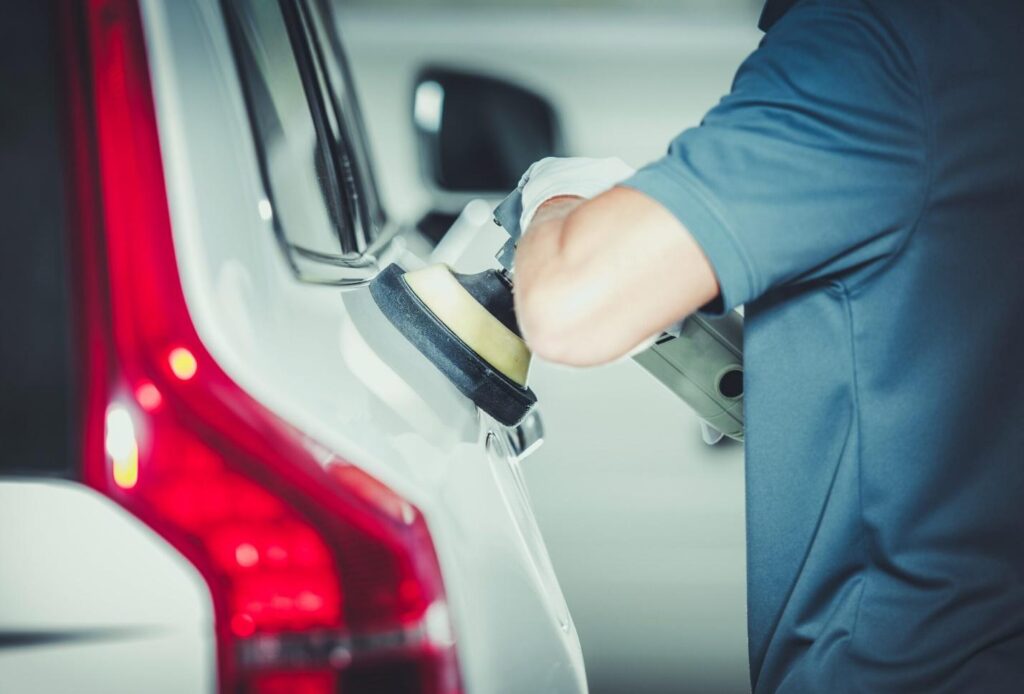
A car bumper is one of the most essential components of your vehicle, providing protection during minor collisions and contributing to the overall aesthetics. Over time, though, bumpers can sustain damage from fender benders, parking lot mishaps, or even minor impacts that may not seem significant at first. Regardless of how minor or severe the damage is, car bumper repair is crucial for both maintaining the vehicle’s appearance and ensuring safety standards are met.
Why Bumper Repair is Essential
Bumpers are designed not only to absorb impact but also to safeguard the most sensitive parts of the car, including lights, grills, and even the engine in some cases. When a bumper is damaged, even slightly, it compromises the protection it provides, increasing the risk of further damage in the event of another accident.
Common Types of Bumper Damage
Before diving into the repair process, it’s essential to recognise the types of damage that bumpers typically face:
- Scratches and Scuffs: These are often surface-level damages caused by scraping against a wall or another vehicle. While minor, they can be unsightly.
- Dents: These can occur due to more substantial impacts. While the integrity of the bumper may still be intact, dents are not only unattractive but can weaken the bumper’s structure.
- Cracks and Breaks: A more serious form of damage, cracks or breaks compromise the bumper’s ability to absorb shock. This type of damage often requires professional intervention.
- Paint Damage: Over time, a bumper can lose its paint due to exposure to the elements, road debris, or physical impacts. Faded or peeling paint can make the car look older and more worn.
DIY vs Professional Repair
Some bumper repairs can be done at home, especially if the damage is minor. For example, small scratches and scuffs can often be fixed with a few simple tools such as touch-up paint, sanding tools, and a buffing pad. However, for more significant issues like deep cracks, severe dents, or structural misalignment, it’s typically best to seek professional help.
The Repair Process
When you take your car in for bumper repair, the process typically follows these steps:
- Assessment: A technician will thoroughly examine the bumper to assess the extent of the damage and determine whether it’s a surface-level issue or something that requires structural repair.
- Cleaning and Prep: The area around the damage is cleaned and prepped to ensure that the repair materials bond properly.
- Repairing or Replacing: Depending on the damage, the technician may either repair the bumper (for dents or scratches) or replace it entirely (for severe cracks or breaks). Small cracks can be filled and sealed, while deep structural damage may require replacing the bumper altogether.
Preventing Future Damage
While bumper repairs can restore a car to its original condition, it’s always better to prevent damage from occurring in the first place. Here are a few tips to help keep your bumper in top shape:
- Park Carefully: Avoid tight parking spaces or areas where you might accidentally bump into other vehicles or obstacles.
- Install Parking Sensors: If your car doesn’t already have them, installing parking sensors can reduce the likelihood of bumping into walls or other cars.
- Regular Cleaning and Maintenance: Keeping your car clean and well-maintained helps protect the bumper from unnecessary wear and tear. Regularly washing it and applying a protective coat of wax can help preserve its finish.
Final Thoughts
Car bumper repair plays a crucial role in maintaining both the aesthetics and safety of your vehicle. Whether you’re dealing with a simple scratch or a more severe crack, addressing bumper damage promptly ensures that your car remains as safe as possible while preserving its appearance.