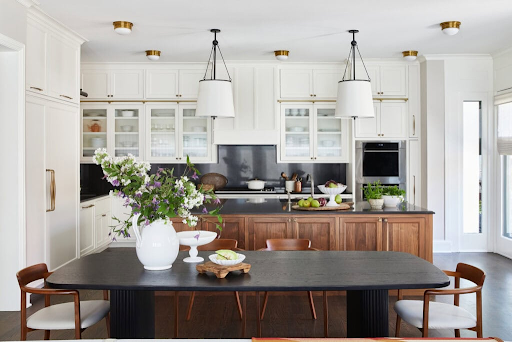
Home remodeling projects transform houses into personalized spaces that truly reflect your lifestyle. Cabinet selection ranks among the most important decisions in any renovation. These elements define your room’s character while providing essential functionality. Columbus homeowners planning remodels often feel overwhelmed by countless cabinet style options. Each choice carries long-term implications for both aesthetics and daily use. Making informed decisions early prevents costly regrets later.
Your cabinets occupy significant visual space in kitchens, bathrooms, and other rooms. They set the tone for entire spaces while serving practical storage needs. Getting this choice right impacts your satisfaction for decades. Custom cabinetry in Columbus Ohio offers personalized solutions fitting your exact specifications. Unlike stock options with limited sizes and finishes, custom work adapts to unique spaces. This flexibility proves invaluable in older homes with irregular dimensions.
The right cabinet style harmonizes with your home’s architecture and personal aesthetic. It should feel intentional rather than randomly selected. This guide helps navigate choices toward selections you’ll love long-term.
What Your Home’s Architecture Reveals
Your home’s existing architecture provides important clues about appropriate cabinet styles. Ignoring these signals creates visual discord that feels uncomfortable. Respecting architectural context ensures harmonious results. Victorian homes feature ornate details and traditional proportions. Cabinet styles with raised panels and decorative moldings complement these characteristics. Simple modern cabinets would clash awkwardly in such settings. Craftsman bungalows showcase natural materials and honest construction. Quarter-sawn oak cabinets with simple hardware honor this aesthetic. Overly ornate or ultra-modern choices fight the home’s inherent character.
Mid-century modern homes celebrate clean lines and organic materials. Flat-panel cabinets in natural wood or bold colors suit these spaces. Traditional raised-panel doors feel out of place here. Contemporary new construction accommodates wider style ranges. However, cabinet choices should still relate to overall design direction. Even flexible spaces need intentional aesthetic decisions.
Classic Shaker Style Appeal
Shaker cabinets remain perpetually popular for excellent reasons. Their simple five-piece frame-and-panel construction offers timeless appeal. This versatile style works in traditional, transitional, and modern contexts. The clean lines avoid dated decorative details that quickly age. Subtle recessed panels provide visual interest without fussiness. This restraint creates sophisticated, understated elegance.
Shaker cabinets accept any finish beautifully from natural stains to bold paints. The simple profile showcases finish quality rather than competing with it. This adaptability explains their enduring popularity. Dublin and Columbus area homes ranging from historic to contemporary accommodate Shaker styling. Local craftsmen have perfected this classic construction method. The regional expertise ensures quality results.
Modern Flat-Panel Options
Flat-panel or slab doors create sleek contemporary aesthetics. These minimalist designs feature single solid pieces without frames or panels. The ultimate simplicity suits modern and minimalist spaces. Horizontal or vertical grain orientation affects visual impact significantly. Horizontal grain makes spaces feel wider while vertical adds height. This subtle choice influences room perception.
Flat panels work beautifully with integrated or handle-free designs. Push-to-open mechanisms maintain completely smooth facades. This ultra-modern approach creates striking visual statements. However, very minimal designs can feel cold or sterile. Balance simplicity with warmth through material and color choices. Wood tones or textured finishes add necessary visual interest.
Traditional Raised-Panel Elegance
Raised-panel doors feature center panels sitting proud of surrounding frames. This dimensional construction creates formal, traditional appearances. The style suits classic and transitional homes beautifully. Various profile options range from subtle to highly decorative. Cathedral or arched raised panels add ornate elegance. Simpler raised rectangles provide traditional styling with more restraint.
Custom cabinet design allows precise profile selection matching your formality level. Local craftsmen create anything from subtle to elaborate raised panels. This customization ensures perfect aesthetic fit. Raised panels require more maintenance than flat surfaces. Dust and grease accumulate in crevices requiring careful cleaning. Consider your maintenance tolerance when selecting ornate styles.
Transitional Style Flexibility
Transitional cabinets blend traditional and contemporary elements successfully. This hybrid approach suits homeowners wanting updated classics. The balanced styling ages well across changing trends. Simplified Shaker profiles with contemporary hardware create transitional looks. Traditional construction meets modern sensibilities. This combination offers the best of both worlds.
Mixing door styles strategically adds visual interest. Use glass-front uppers with solid lowers for variety. Ensure different elements relate cohesively rather than competing. Transitional styling particularly suits Columbus area homes built in recent decades. These houses often combine architectural elements from different eras. Transitional cabinets harmonize these mixed influences.
Considering Color Impact
Cabinet color dramatically affects room atmosphere and perceived size. Light colors make spaces feel larger and brighter. Dark tones add sophistication but can overwhelm small rooms. White remains the safest choice for broad appeal and resale value. It works with any style from traditional to modern. However, white shows dirt requiring frequent cleaning.
Gray offers sophisticated neutrality currently trending. Various shades accommodate warm and cool palettes. Choose carefully as some grays may eventually feel dated. Natural wood finishes showcase beautiful grain patterns and organic warmth. They adapt to changing decor without requiring updates. This longevity justifies potential higher costs. Bold colors make strong personal statements. Navy, forest green, or even black create drama. Ensure you’ll love these choices long-term as they’re harder to update.
Material Selection Matters
Cabinet materials dramatically affect both cost and longevity. Solid wood offers natural beauty and can be refinished. However, it responds to humidity changes by expanding and contracting. Plywood provides superior stability compared to solid wood. It resists warping and holds hardware better. Quality cabinets often use plywood boxes with solid wood doors.
MDF offers smooth surfaces ideal for painted finishes. It costs less than wood while providing consistent results. However, it’s heavier and doesn’t tolerate moisture as well. Particleboard represents the budget option but deteriorates faster. It works adequately in dry, low-stress applications only. Avoid this material in kitchens and bathrooms.
Hardware Considerations
Cabinet hardware functions as jewelry for your cabinetry. Quality pulls and knobs dramatically elevate overall appearance. This relatively small investment makes significant visual impact. Match hardware finish to your faucets and lighting fixtures. Consistency across metal finishes creates cohesive, professional results. Mixing finishes requires careful planning and restraint.
Traditional styles suit ornate hardware while modern profiles need simple pieces. The hardware should complement rather than compete with door style. Quality kitchen cabinetry deserves equally quality hardware. Consider maintenance when selecting hardware finishes. Oil-rubbed bronze hides fingerprints while polished chrome shows everything. Match finish to your cleaning preferences realistically.
Storage Features That Matter
Cabinet style affects available storage options significantly. Deep drawers work better than doors for lower cabinets. You can see contents without crouching and digging. Pull-out shelving maximizes corner cabinet accessibility. Lazy Susans bring everything within easy reach. These features prevent wasted space in awkward areas.
Glass-front cabinets display attractive items while protecting from dust. Strategic placement adds visual interest without excessive openness. Balance display and concealed storage thoughtfully. Specialized organizers for spices, utensils, and trash keep everything tidy. Built-in solutions work better than aftermarket additions. Plan these features during initial design.
Local Climate Considerations
Columbus experiences significant humidity and temperature fluctuations year-round. These conditions stress cabinet materials and finishes. Proper construction and finishing prevents weather-related damage. Quality sealers and finishes protect wood from moisture absorption. Properly finished cabinets withstand Ohio’s humid summers. Local craftsmen understand regional requirements intimately.
Avoid particleboard in moisture-prone areas like bathrooms and kitchens. This material swells and deteriorates with humidity exposure. Invest in plywood or solid wood for longevity. Heating and air conditioning create indoor climate variations too. Materials must accommodate expansion and contraction cycles. Quality construction accounts for these natural movements.
Working With Local Professionals
Dublin and Columbus area cabinet professionals understand regional architecture and preferences. They know what works in local homes. This expertise proves invaluable during selection. Visit multiple showrooms viewing styles in person. Photos never capture subtle details and proportions accurately. Touch and see actual cabinets before deciding. Ask about local project portfolios matching your home style. Seeing completed work in similar houses reveals realistic results. This prevents unrealistic expectations. Discuss timeline and budget constraints openly. Reputable professionals work within parameters honestly. They suggest alternatives achieving goals economically.
Balancing Trends and Timelessness
Current trends offer fresh ideas but can quickly date. Extremely trendy choices may hurt resale value. Balance contemporary updates with classic foundations. Choose classic cabinet styles with trendy colors or hardware. These elements update easily without cabinet replacement. Paint color changes cost less than new cabinetry. Avoid extremely unusual door styles or configurations. These limit future flexibility and buyer appeal. Conservative structural choices with personalized details work best. Quality construction in timeless styles outlasts fleeting trends. Your cabinets should serve you well for 20-30 years. This long-term perspective guides wiser selections.
Budgeting Realistically
Cabinet costs vary enormously based on style, materials, and construction. Set realistic budgets understanding what different price points deliver. The cheapest option rarely provides best value. Stock cabinets start around $100-150 per linear foot installed. These work for straightforward layouts with standard dimensions. Quality and customization options are limited. Semi-custom cabinets typically cost $200-400 per linear foot. These offer better construction with some personalization. This tier serves most homeowners well. Fully custom cabinets range $500-1,200 per linear foot. Premium materials and complete personalization justify costs. These investments last decades with proper care.
Installation Quality Importance
Even premium cabinets fail without proper installation. Level, secure mounting ensures optimal function and longevity. Professional installation protects your investment. Verify installer credentials, insurance, and references thoroughly. Their work determines how cabinets perform long-term. This decision matters as much as cabinet selection. Prepare your space properly before installation day. Remove old cabinets and clear work areas completely. These preparations prevent delays and complications. Expect some disruption during installation lasting several days. Plan alternative arrangements for affected rooms. The temporary inconvenience yields beautiful results.
Final Thoughts
Selecting the right cabinet style requires balancing aesthetics with practical considerations. Your home’s architecture, personal preferences, and lifestyle needs all matter. Thoughtful choices create spaces you’ll love for decades.
Columbus area homeowners benefit from abundant local expertise and resources. Quality professionals guide you through selections while respecting budgets. Their knowledge prevents expensive mistakes.
Beautiful, functional cabinets transform houses into personalized homes. The investment deserves careful thought and research. Your perfect style exists within available options.
Frequently Asked Questions
How do I choose between custom and semi-custom cabinets?
Custom cabinets fit any space perfectly with unlimited options but cost more. Semi-custom offers good personalization at moderate prices. Your budget and specific needs determine the best choice.
What cabinet style offers the best resale value?
Shaker-style cabinets in neutral colors appeal to broadest buyer pools. Their timeless design remains relevant across decades. This versatility protects your investment long-term.
Can I mix different cabinet styles in one room?
Yes, mixing styles creates visual interest when done thoughtfully. Use different styles for islands versus perimeter cabinets. Maintain consistency in finish and hardware for cohesion.
How long should quality cabinets last?
Well-constructed cabinets with proper care last 30-50 years. Premium materials and construction justify this longevity. Regular maintenance extends cabinet life significantly.
What’s the most popular cabinet style in Columbus?
Shaker and transitional styles dominate local preferences. These versatile options suit various home styles. Classic choices with contemporary updates remain most popular.