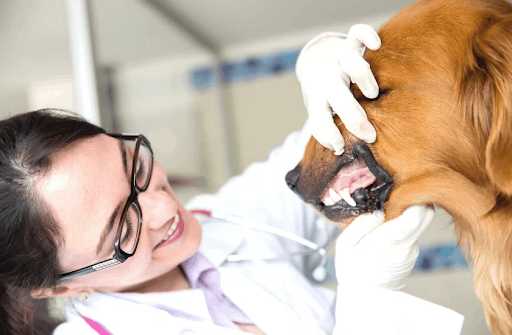
Your pet’s cheerful smile and playful energy often mask what is happening inside their mouth. Dental health is one of the most overlooked aspects of pet care, yet it plays a major role in overall well-being. Pets, just like humans, can experience tooth decay, gum infections, pain, and oral diseases that may quietly worsen over time if left untreated.
Many dental problems begin subtly, showing few outward signs until they reach an advanced stage. In some cases, neglected oral issues can progress to conditions that require pets teeth surgery, making early prevention and regular care extremely important for every pet owner.
Why Dental Health Matters for Pets
A healthy mouth is essential for eating, grooming, and daily comfort. Dental infections can cause chronic pain, difficulty chewing, and behavioral changes. More importantly, bacteria from untreated oral disease can enter the bloodstream and affect vital organs such as the heart, liver, and kidneys.
Maintaining good dental hygiene helps pets stay active, comfortable, and healthy throughout their lives. Preventive care is far easier and less stressful than managing advanced dental conditions later.
Plaque and Tartar Buildup
Plaque is the starting point of most dental problems in pets. It forms when food particles mix with bacteria in the mouth, creating a sticky film on the teeth. If not removed, plaque hardens into tartar, which irritates the gums and encourages infection.
Common signs
- Yellow or brown deposits on teeth
- Red or swollen gums
- Persistent bad breath
Prevention tips
- Brush your pet’s teeth daily with pet-safe toothpaste
- Use dental chews designed to reduce plaque
- Schedule professional dental cleanings as advised by your veterinarian
Periodontal Disease
Periodontal disease is one of the most widespread dental conditions in pets, especially in dogs and cats over the age of three. It begins with gum inflammation and can gradually damage the tissues and bone supporting the teeth.
As the disease progresses, pets may experience pain, loose teeth, and difficulty eating. In severe cases, infections can spread beyond the mouth.
Prevention tips
- Arrange routine dental examinations
- Watch for early signs such as bleeding gums or reluctance to chew
- Maintain consistent at-home dental care
Broken and Fractured Teeth
Pets love to chew, but not all chewing habits are safe. Hard objects like bones, antlers, or very rigid toys can crack or fracture teeth. A broken tooth can expose nerves, causing pain and increasing the risk of infection.
Common causes
- Chewing on hard toys or bones
- Accidental trauma
- Aggressive chewing behavior
Prevention tips
- Choose soft rubber or veterinarian-approved chew toys
- Avoid giving cooked bones or extremely hard treats
- Supervise chewing sessions
Bad Breath in Pets
Occasional odor is normal, but persistent bad breath is often a sign of underlying dental problems. Halitosis typically results from bacterial buildup, gum disease, or tooth infections.
Warning signs
- Strong, unpleasant mouth odor
- Excessive drooling
- Pawing at the mouth
Prevention tips
- Brush teeth regularly
- Use dental rinses recommended by veterinarians
- Seek professional evaluation if odor persists
Tooth Resorption in Cats
Tooth resorption is a painful condition commonly seen in cats, where the tooth structure breaks down from within. The exact cause remains unclear, but it can cause significant discomfort and tooth loss if not detected early.
Cats often hide pain well, making regular dental exams essential.
Prevention tips
- Schedule routine veterinary dental checkups
- Monitor changes in eating habits
- Address dental pain promptly
Retained Baby Teeth
Some pets, especially small dog breeds, may retain baby teeth even after adult teeth emerge. This leads to overcrowding, misalignment, and increased plaque accumulation.
Prevention tips
- Monitor dental development in puppies
- Have retained teeth been assessed during routine vet visits
- Follow veterinary advice if removal is necessary
Daily Habits for a Healthier Pet Smile
Good dental care does not have to be complicated. A consistent routine can significantly reduce the risk of dental disease.
Simple daily practices
- Brush teeth once daily using pet-specific tools. Use a toothbrush and toothpaste designed for pets to clean their teeth gently. Daily brushing helps remove plaque before it hardens into tartar.
- Provide safe dental chews and toys. Offer chew toys or dental treats that promote oral health. These help reduce plaque buildup while keeping your pet entertained.
- Observe eating behavior and chewing comfort. Watch for signs of discomfort, slow eating, or difficulty chewing. Early detection of problems ensures timely care and prevents worsening dental issues.
- Avoid hard, brittle treats. Refrain from giving treats that could crack or damage teeth. Stick to safe, chew-friendly options to protect your pet’s teeth and gums.
When to Seek Veterinary Dental Care
Dental issues in pets often progress silently, making early observation essential. Noticing changes in behavior or physical signs can help ensure timely treatment.
- Difficulty Eating: Avoiding food, chewing slowly, or dropping food can indicate oral pain.
- Facial Swelling: Swelling near the jaw or eyes may point to infection or abscesses.
- Bleeding Gums: Red or bleeding gums often signal advanced dental disease.
- Behavior Changes: Irritability or reluctance to be touched may reflect discomfort.
- Persistent Bad Breath: Ongoing odor suggests bacterial buildup or infection.
- Excess Drooling: Drooling or pawing at the mouth can indicate irritation.
- Hidden Dental Issues: Professional exams detect problems below the gumline.
- Targeted Treatment Plans: Vets recommend care to relieve pain and prevent recurrence.
Early veterinary intervention helps protect your pet from discomfort, reduces long-term complications, and supports overall health and recovery.
Conclusion
Dental health is an essential part of your pet’s overall wellness, influencing comfort, nutrition, and long-term health. By recognizing early warning signs, maintaining consistent home care, and scheduling regular dental evaluations, many common dental problems can be prevented before they become serious.
For pet owners seeking reliable guidance and clinical support, facilities offering pets dental in Dubai, such as Pet Point Veterinary Clinic, focus on thoughtful, individualized care. Their approach emphasizes preventive dentistry, accurate diagnosis, and gentle treatment methods, supporting long-term oral health while prioritizing comfort and overall well-being for pets at every stage of life.