Aluminum has firmly established itself as one of the most reliable and innovative materials used in modern window systems. Its combination of strength, light weight, and design flexibility allows architects and homeowners to create windows that are both visually striking and functionally superior. As buildings evolve toward energy efficiency and contemporary aesthetics, aluminum continues to set benchmarks in performance-driven fenestration solutions.
Today, aluminium profiles for windows are not just structural components; they are engineered systems designed to improve insulation, durability, and architectural expression. From residential homes to large commercial spaces, aluminum plays a critical role in shaping windows that meet modern demands for sustainability, comfort, and long-term value.
Aluminium Profiles for Windows: A Prime Choice for High-Performance Fenestration
Choosing the right framing system is vital to window performance, energy efficiency, and longevity. Aluminium profiles for windows have emerged as a premium option, balancing structural integrity with modern aesthetics.
Key Benefits of Aluminium Profiles for Windows
1. Exceptional Strength and Durability
Aluminium is renowned for its robustness, making it ideal for windows that must withstand daily wear and environmental stressors. Unlike some traditional framing materials, aluminium resists corrosion, warping, and decay. This strength allows manufacturers to create narrower frames and larger glass panels without compromising structural integrity. In high-rise buildings and coastal regions where weather extremes are common, aluminium profiles maintain their shape and performance over decades with minimal maintenance.
2. Sleek Design and Aesthetic Flexibility
One of the most compelling reasons architects and homeowners choose aluminium profiles for windows is the clean, modern look they provide. Aluminium can be extruded into thin, elegant frames that maximize visible glass area. Powder coating and anodizing allow for an array of color options and finishes, from metallic sheens to custom colors that match any architectural style. This aesthetic versatility makes aluminium a favorite in contemporary design, offering a blend of form and function.
3. Superior Thermal Performance with Thermal Break Technology
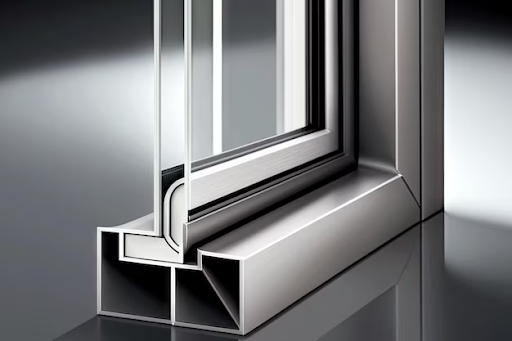
While aluminium is naturally a good conductor of heat, modern engineering has introduced thermal breaks into the profiles. These are insulating materials integrated into the frame that slow heat transfer between indoor and outdoor environments. As a result, aluminium windows with thermal breaks can provide energy performance comparable to other materials, reducing heating and cooling costs. This advancement ensures comfort, efficiency, and compliance with modern building codes focused on sustainability.
4. Low Maintenance and Long-Term Reliability
Once installed, aluminium windows require very little maintenance compared to wood or uPVC alternatives. They do not crack, rot, or swell, and their finishes resist fading and staining. Regular cleaning with mild detergent and water is typically sufficient to preserve their appearance. For busy homeowners and commercial property managers, this ease of care translates to reduced long-term costs and worry-free performance year after year.
5. Excellent Weather Resistance
Aluminium profiles provide exceptional weather seal performance when combined with high-quality gaskets and drainage systems. They resist extreme heat, cold, moisture, and salt air, making them suitable for diverse climates. Unlike some materials that degrade under UV exposure, aluminium retains its physical properties and aesthetic appeal even after prolonged sun exposure. This reliability ensures that buildings remain comfortable and protected regardless of environmental conditions.
Advanced Aluminium Profile: How Engineering Enhances Window Efficiency
Aluminium profiles are not all created equal. Advances in profile design and manufacturing technologies have elevated their performance far beyond basic framing functions.
Critical Technical Advantages of Advanced Aluminium Profiles
1. Precision Extrusion for Consistent Quality
Aluminium window profiles are manufactured through a process called extrusion, where heated aluminium is forced through a shaped die. This technique allows for tight tolerances, consistent quality, and complex profile geometries that improve fit and performance. Precision extrusion ensures reliable sealing surfaces, uniform thermal breaks, and smooth operation of movable components such as sliding or hinged frames. This precision directly impacts the window’s performance and longevity.
2. Integrated Thermal Breaks to Minimize Heat Transfer
Effective thermal breaks separate the interior and exterior aluminium surfaces with non-conductive materials. This integration dramatically reduces heat transfer through the frame, helping maintain indoor comfort and reducing energy consumption. High-performance aluminium profiles often include multi-chamber designs that enhance insulation further. With energy codes becoming stricter around the world, these thermal improvements are essential to meeting performance benchmarks.
3. Multi-Point Sealing Systems for Weather Tightness
Advanced aluminium window profiles employ multi-point sealing systems that offer superior resistance against wind, rain, and air infiltration. These systems often combine compression seals, gaskets, and drainage channels to ensure that moisture is directed away from vulnerable areas. High weather performance is particularly important in regions prone to heavy rain or strong winds, providing peace of mind and enhanced comfort indoors.
4. Compatibility with High-Performance Glazing
Aluminium frames are engineered to support a range of glazing options, including double and triple glazing, low-emissivity (Low-E) coatings, and gas-filled insulating glass units. This compatibility allows homeowners and designers to tailor performance to specific climate needs. The combination of premium glazing and aluminium profiles results in windows that excel in both thermal and acoustical performance, improving overall indoor environmental quality.
5. Structural Reinforcement for Larger Openings
In many modern architectural designs, expansive glass walls and large window openings are desired for their view and natural light benefits. Aluminium’s high strength-to-weight ratio makes it ideal for supporting such large expanses without bulky frames. Structural reinforcements can be integrated into the aluminium profile itself, allowing for sleek, wide-open designs that would be challenging with other materials.
Conclusion
Aluminium profiles offer a compelling blend of durability, design versatility, and performance advantage for modern windows, making them a preferred choice in contemporary construction. An advanced aluminium profile enables slim frames, larger glass areas, and superior resistance to corrosion and weather conditions. With improvements in thermal break technology and precision engineering, aluminium window systems now deliver excellent energy efficiency while maintaining long-term structural strength and refined aesthetics for both residential and commercial applications.
Backed by technical expertise and a commitment to quality, JM Aluminium has positioned itself as a trusted name in aluminium window solutions. The company focuses on innovation-driven manufacturing, consistent quality standards, and customer-oriented design. By delivering reliable, high-performance systems, they continue to elevate modern architecture through durable and efficient aluminium window solutions that seamlessly combine form and function.