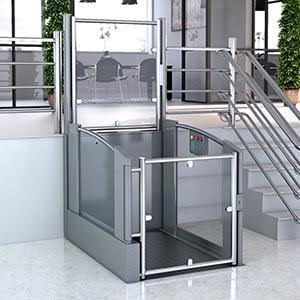
Investing in a residential lift is a major decision that affects both convenience and long-term home value. Understanding residential lift cost is essential for homeowners who want to make informed decisions and avoid unexpected expenses. The overall cost is influenced by lift type, structural requirements, cabin design, technology, and ongoing maintenance. By examining these factors in detail, homeowners can plan budgets effectively, ensure proper installation, and select a lift that combines functionality, safety, and aesthetic appeal.
This guide breaks down the key elements impacting investment so you can approach your home upgrade with confidence.
Lift Types and How They Influence Costs
Different lift mechanisms vary in efficiency, installation complexity, and price, making it crucial to evaluate which option aligns with your home and budget.
- Hydraulic Lifts: Ideal for multi-story homes with limited overhead space, offering smooth and quiet operation but higher upfront costs.
- Traction Lifts: Energy-efficient lifts using ropes and counterweights, suitable for high-ceiling homes with potential structural adjustments.
- Pneumatic Vacuum Lifts: Compact, easy-to-install lifts requiring minimal modifications, providing a cost-effective solution for smaller spaces.
Structural Modifications and Installation Complexity
The costs of structural changes and installation intricacies play a major role in determining the total residential lift investment.
- Shaft Construction and Reinforcement: Building or modifying a lift shaft requires precise engineering and quality materials to ensure safety and durability.
- Electrical and Safety Systems: Proper wiring, sensors, and emergency features are essential for safe and reliable lift operation.
- Integration with Home Interiors: Adjusting floors, walls, or ceilings ensures seamless usability and aesthetics while impacting overall investment.
Cabin Design and Material Choices
The lift cabin is not just functional; it defines the aesthetic and usability of the system. Choices in size, finishes, and capacity influence both the visual appeal and the overall cost of your lift.
- Luxury Finishes: Premium materials and designer touches elevate aesthetics but increase the home lift price.
- Standard Finishes: Practical, durable finishes provide functionality while keeping costs reasonable.
- Cabin Size and Load Capacity: Larger cabins for multiple passengers or wheelchair access require stronger machinery, affecting installation and operational costs.
Technology and Automation Features
Modern lifts come equipped with advanced technology and automation features that enhance convenience and safety.
- Smart Controls: Touch panels, mobile connectivity, and automated leveling enhance convenience but may increase cost slightly.
- Safety Enhancements: Sensors, emergency brakes, and backup power systems improve safety and reliability for the entire family.
- Energy Efficiency: Regenerative motors and efficient systems lower long-term energy use while supporting sustainability.
Conclusion
Understanding residential lift cost goes beyond the purchase price. Careful evaluation ensures a solution that combines convenience, safety, and aesthetic appeal while maximizing long-term value. By considering these factors before installation, homeowners can plan effectively and avoid unexpected costs.
For homeowners seeking expert guidance on lift selection, advanced home lift solutions, and dependable installation services, ICARE Lifts provides comprehensive support. By optimizing elevator installation cost without compromising safety or efficiency, they design and install lifts that enhance accessibility, improve daily convenience, and add lasting value to your home with unmatched quality and expertise.