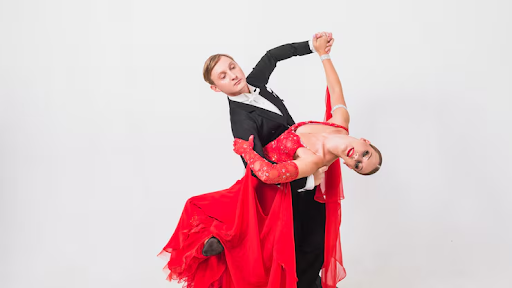
Whether you have always wanted to move to the rhythm of Latin music or you are searching for a fun, social way to get active, salsa dancing Orange County offers one of the most vibrant and welcoming dance communities in Southern California. From Anaheim to Irvine, Orange County has a thriving salsa scene — packed with professionally led classes, social nights, and beginner workshops designed to take you from two left feet to confident dancer in a matter of weeks.
This guide covers everything a first-timer needs to know about learning salsa in Orange County — including what to expect in your first class, how salsa technique works, the different styles you will encounter, and how to choose the right studio for your goals and schedule.
Why Salsa Dancing Is Worth Learning
Salsa is one of the most popular partner dances in the world, and for good reason. It is energetic, social, rhythmically rich, and accessible to people of all fitness levels and dance backgrounds. Unlike some partner dances that take years to reach a socially enjoyable level, salsa students typically find themselves able to dance socially within just a few months of consistent practice.
Beyond the fun, the physical benefits of salsa are substantial. A single hour of salsa dancing burns between 400 and 600 calories depending on intensity, while simultaneously improving cardiovascular fitness, coordination, balance, and spatial awareness. The cognitive demands of learning footwork patterns, timing, and lead-follow communication also provide meaningful mental engagement — something that passive forms of exercise simply cannot offer.
Understanding Salsa: The Basics
The Timing and Beat Structure
Salsa is danced to music with a distinctive 4/4 time signature. The most widely taught timing is ‘On1’ — where dancers step on beat 1 of an eight-count measure — and ‘On2’ (also called New York Style or Mambo), where the break step falls on beat 2. Most beginners in Orange County start with On1 timing, which aligns naturally with the downbeat of the music and tends to feel most intuitive.
Understanding the clave — the rhythmic backbone of salsa music — transforms the dancing experience from merely counting beats to genuinely feeling the music. Good instructors introduce students to the clave early, helping them develop musicality alongside technique from the very beginning.
Lead and Follow Dynamics
Salsa is a partner dance built on a communication framework of lead and follow. The lead partner (traditionally but not exclusively the man) initiates movements through body connection and frame tension, while the follow responds to those signals. Learning to lead clearly and follow sensitively are two distinct skill sets that develop in parallel with footwork and timing.
Salsa Styles You Will Encounter in Orange County
LA Style (On1)
Los Angeles style salsa — danced On1, in a slot, with shines, body isolations, and theatrical flair — is the dominant style in Southern California. Its emphasis on visual performance and individual expression has made it the style of choice for competitions and showcases, and the majority of Orange County studios teach LA style as their primary curriculum.
New York Style (On2 / Mambo)
New York Style salsa places the break step on beat 2, creating a syncopated relationship with the music that many advanced dancers consider more musically sophisticated. The style emphasizes elegance, timing precision, and a cooler aesthetic than the often flashier LA style. Many Orange County studios introduce On2 once students have a solid On1 foundation.
Cuban Style (Casino)
Cuban salsa — also known as Casino — dances in a circular rather than linear pattern, with a more Afro-Cuban movement aesthetic and less emphasis on the slot structure of LA and NY styles. Its social roots in Havana’s streets give it a more improvisational, community-oriented character that many dancers find deeply appealing after exploring linear styles.
What to Expect in Your First Salsa Class
First-time salsa students often arrive nervous about their coordination or lack of prior dance experience. The reality is that beginner salsa classes are designed specifically for people who have never danced before, and a good instructor will have you moving to music within the first ten minutes of class.
Expect to spend the first sessions learning the basic step — the fundamental six-step pattern that underlies virtually all salsa choreography. Classes are typically structured with a warm-up, technique instruction, partner work rotations, and sometimes a short social dance at the end to practice in a relaxed setting. Wearing clean, smooth-soled shoes (not running shoes with heavy rubber grip soles) significantly improves your ability to turn and move fluidly.
Choosing the Right Dance Studio in Orange County
Orange County is home to multiple salsa studios ranging from large schools with full weekly schedules to intimate boutique studios offering personalized instruction. When evaluating a studio, look for instructors with verifiable competition or performance credentials, a structured beginner curriculum with clear progression levels, a welcoming social community, and flexible scheduling options.
Trial classes — which most reputable studios offer — are the most effective way to assess instructor quality, class atmosphere, and whether the studio’s teaching style resonates with your learning preferences. The best studios invest in their students’ long-term development, not just short-term enrollment numbers.
Practicing Beyond the Classroom
Progress in salsa accelerates dramatically when classroom learning is reinforced by social dancing at local events. Orange County has a healthy calendar of salsa social nights, themed Latin dance events, and outdoor festivals where students can practice with partners of varying skill levels in a relaxed, encouraging environment. Most studios maintain social calendars and facilitate connections between students — making it easy to find practice partners and build friendships within the local dance community.
Conclusion
Salsa dancing in Orange County is more than a hobby — it is an entry point into a warm, diverse, and genuinely joyful social community. Whether your goal is fitness, creative expression, social connection, or simply the satisfaction of mastering a beautiful art form, the salsa studios and communities of Orange County offer everything you need to start your journey. Step onto the dance floor — the music is already playing.