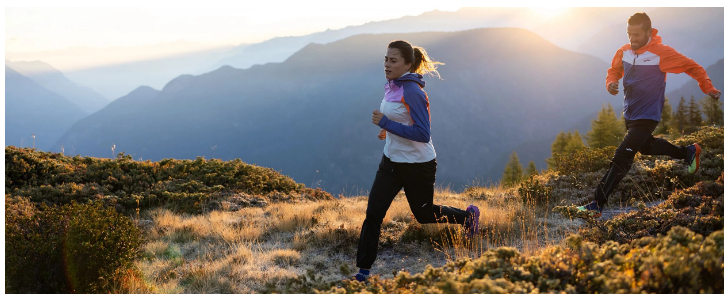
Trail running is a dynamic outdoor sport that combines the endurance of long-distance running with the adventure of navigating through natural terrains, as per Steven Rindner. Unlike road running, which follows smooth and known paths, trail running takes place across varied terrains such as forests, hills, mountains, and even deserts. This variety keeps runners physically challenged and mentally stimulated, fostering a deeper connection to nature and an ever-evolving experience. With several forms of trail running available, individuals can choose the type that best matches their fitness level, environment, and personal agendas.
- Classic Trail Running
Classic trail running is the most accessible form, often done on maintained trails through parks, meadows, or wooded areas according to Steven Rindner. It’s ideal for beginners or those looking for a consistent running rhythm without much of a challenge.
Key Features:
- Smooth and clearly marked paths: These trails typically feature packed dirt, grass, or gravel surfaces with very less technical obstacles. This allows for relaxed, steady pacing and reduces the chances of getting an injury.
- Gentle elevations and mental health: Classic trails offer hills or flat terrain that provide variety. This supports endurance building while minimizing muscle strain. Whether running through quiet forests or alongside a lake, classic trail routes enhance mental wellness by offering serene, natural settings during exercise.
- Perfect for routine runs: These trails support regular practice and are excellent for increasing distance, maintaining cardiovascular well-being, or simply enjoying time outdoors.
- Technical Trail Running
Technical trail running adds a layer of complexity, requiring runners to navigate ground that is uneven, sudden elevation shifts, and natural obstacles. This style emphasizes agility, focus, and mind-body coordination.
Key Features:
- Challenging terrain: Trails are filled with rocks, tangled roots, loose dirt, and steep slopes. These elements demand complete attention to footing and balance, keeping the runner mentally engaged throughout the route.
- Increased muscle engagement: Navigating technical sections recruits stabilizing muscles in the hips, legs, and the core. This makes technical trail running a good way to build strength and balance.
- Elevated intensity: The varied terrain and fast adjustments required lead to intense bursts of effort, offering a cardiovascular challenge in smaller distances. Every completed technical run boost confidence, skill, and endurance. The combination of physical and mental effort often leads to a deep sense of satisfaction.
- Mountain and Ultra Trail Running
Mountain and ultra trail running push the boundaries of the sport, involving steep climbs, long distances, and sometimes extreme environmental conditions. These forms attract experienced runners who enjoy continued challenges and remote wilderness.
Key Features:
- Significant elevation gain: Mountain trails often include steep ascents, ridge-lines, and summits. Running at high altitudes demands both cardiovascular stability and strategic pacing due to thinner air and complicated terrain.
- Ultra-long distances: Ultra trail running includes races or routes that are beyond 50 kilometers. These long efforts require meticulous planning for nutrition, hydration, and energy conservation.
- Rapidly changing terrain: From alpine meadows to dry deserts, these trails often shift dramatically over one run. Weather can change quickly, adding an extra layer of adventure and unpredictability.
- Strong mental resilience: Success in mountain and ultra trail running often depends more on mindset than speed according to Steven Rindner. Mental toughness, concentration, and determination are just as essential as physical conditions.
Trail running is a multifaceted sport that adapts to changing environments, fitness levels, and ambitions. Whether running a clear forest path, navigating tricky slopes, or climbing alpine trails, each form offers its own array of challenge and reward. With the right choice of trail, runners can find joy in movement, beauty in the surroundings, and strength in the journey. Every form of trail running fosters a deeper connection with nature and a renewed appreciation for what the body and mind can achieve.