The thriving industrial and construction sectors in Dubai have fueled a growing demand for high-quality metal services. Among these, metal fabrication in Dubai has emerged as a cornerstone for both large-scale commercial projects and small-scale custom requirements. This field combines technology, precision, and skilled craftsmanship to transform raw materials into durable and functional products. Businesses and individuals alike are increasingly seeking tailored solutions to meet their specific project needs, highlighting the importance of professional fabrication services.
Understanding the Fabrication Process
Metal fabrication is more than just shaping metal; it is a detailed, multi-step procedure that requires both technical knowledge and hands-on expertise. Here’s a breakdown of the common stages involved:
- Design and Planning: The first step involves conceptualizing the project and creating detailed designs. Advanced CAD software is often used to produce precise measurements and simulations before the actual fabrication begins. Proper planning ensures material efficiency and reduces the risk of errors during production.
- Cutting: Once the design is finalized, metal sheets or rods are cut into required dimensions. Various cutting methods, such as laser cutting, plasma cutting, and water jet cutting, are used depending on the material type and thickness. Precision during this stage is crucial to maintain consistency and quality.
- Bending and Shaping: Metals are often bent or shaped to match the design specifications. This process requires specialized machinery and skilled operators to achieve accurate angles and curves without compromising material strength.
Each stage of fabrication demands precision and expertise. Any oversight can lead to structural weaknesses or aesthetic flaws, making it essential to rely on skilled professionals for critical projects.
The Importance of Custom Solutions
In today’s competitive environment, generic metal products often fall short of meeting specialized needs. This is where custom fabrication becomes indispensable. Custom fabrication allows businesses to design metal products tailored to their exact specifications, ensuring optimal functionality and aesthetics.
Some advantages of opting for custom solutions include:
- Personalized Design: Projects can be tailored to specific requirements, whether for industrial machinery, decorative structures, or architectural elements.
- Enhanced Performance: Custom-fabricated components are designed to integrate seamlessly with existing systems, improving efficiency and reliability.
- Material Optimization: Custom fabrication ensures precise material usage, reducing waste and overall project costs.
- Durability: Products are engineered to withstand specific environmental and operational conditions, enhancing longevity.
From structural beams in skyscrapers to intricate metal gates and sculptures, the scope of custom fabrication is vast. Businesses across construction, automotive, and manufacturing sectors increasingly prefer tailored solutions to achieve both functionality and design excellence.
Popular Materials in Metal Fabrication
The choice of material significantly impacts the outcome of any fabrication project. Common materials include:
- Steel: Known for its strength and versatility, steel is widely used in construction and industrial applications. It is ideal for load-bearing structures and large-scale projects.
- Aluminum: Lightweight yet durable, aluminum is often chosen for aesthetic applications and projects requiring corrosion resistance.
- Stainless Steel: Highly resistant to rust and corrosion, stainless steel is ideal for outdoor structures, kitchen equipment, and medical applications.
- Copper and Brass: These metals are valued for their visual appeal and are frequently used in decorative elements and specialized machinery.
Each material presents unique properties that influence cutting, welding, and finishing methods. Experienced fabricators recommend materials based on project requirements, budget, and environmental factors to ensure optimal results.
Cutting-Edge Technology in Fabrication
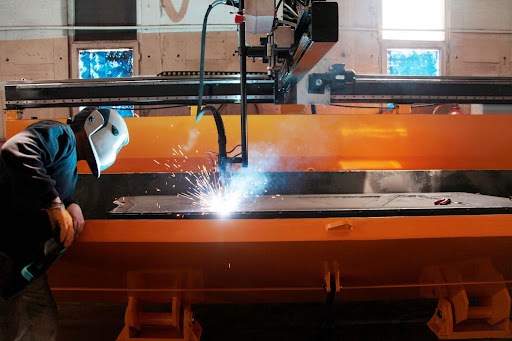
Modern metal fabrication relies heavily on advanced technology to improve accuracy and efficiency. CNC machines, laser cutters, and automated welding systems have revolutionized traditional methods. These technologies allow fabricators to:
- Achieve precise cuts and complex shapes with minimal manual intervention.
- Reduce production time while maintaining consistent quality.
- Handle large-scale projects with intricate specifications.
- Minimize errors, rework, and material wastage.
The integration of digital design and robotic manufacturing is particularly beneficial for custom fabrication projects. Clients can visualize their products through 3D models, approve designs, and track production in real time. This level of transparency and control ensures that the final product meets expectations.
Applications Across Industries
Metal fabrication serves a wide range of industries, each with unique demands and standards. Some prominent applications include:
- Construction: Fabricated metal components like beams, columns, staircases, and railings are essential for structural integrity and architectural aesthetics.
- Automotive: The industry relies on precision-fabricated parts for vehicles, including chassis, frames, and engine components.
- Aerospace: High-strength, lightweight metals are fabricated into components that meet strict safety and performance standards.
By serving multiple industries, metal fabrication has become an indispensable component of modern infrastructure and industrial development.
Benefits of Hiring Professional Fabricators
Choosing professional fabricators ensures that projects are completed with precision, efficiency, and quality. Here’s why relying on experienced providers is crucial:
- Expertise: Skilled professionals understand material behavior, engineering principles, and fabrication techniques.
- Safety Compliance: Adhering to safety standards minimizes risks during production and installation.
- Cost-Effectiveness: Professionals reduce waste, avoid errors, and complete projects within budget.
- Timely Delivery: Experienced teams follow structured timelines, ensuring that projects progress smoothly without delays.
Professional fabricators also provide valuable consultation during the design phase, helping clients select the right materials, techniques, and finishes for optimal results.
Sustainability and Eco-Friendly Practices
Modern fabrication practices increasingly emphasize sustainability. Reducing waste, recycling scrap metal, and using energy-efficient processes are becoming industry standards. Eco-conscious clients now prefer fabricators who implement green practices without compromising quality or durability.
- Material Recycling: Reusing scrap metal reduces environmental impact and lowers production costs.
- Energy-Efficient Machinery: Advanced equipment consumes less energy while maintaining high precision.
- Non-Toxic Finishes: Environmentally friendly coatings and paints minimize harmful emissions.
These practices not only benefit the environment but also improve the reputation of businesses in an increasingly eco-conscious market.
Conclusion
Metal fabrication in Dubai has become a vital component of modern industry, offering versatile solutions for a wide range of applications. From structural projects to intricate decorative designs, precision and expertise ensure both functionality and aesthetics. The ability to provide custom fabrication allows businesses and individuals to achieve unique, high-quality results tailored to their specific needs.
Partnering with trusted providers ensures access to skilled professionals, cutting-edge technology, and efficient production processes. By choosing a reliable fabrication company, clients benefit from cost savings, timely delivery, and superior project outcomes. For those seeking excellence in metal fabrication and tailored solutions, Morshedi offers comprehensive services that combine experience, precision, and innovation.