For a very long time, embroidered patches have represented pride, identity, and artistry. Patches have changed along with culture, fashion, and technology, from prehistoric clan insignias to contemporary branding tools. Embroidered patches have a special position in both historical and modern contexts in Ireland, a nation rich in tradition and symbolism.
What formerly stood for loyalty and ancestry has now evolved into a flourishing creative and business sector. This article examines the intriguing history of embroidered patches in Ireland, including their origins, development, and ongoing influence from contemporary inventions.
The Origins of Embroidery in Irish Culture
Early Textile Traditions
Ireland has centuries of great textile tradition. Intricate stitching was common in traditional Irish clothing, and it was influenced by:
- Celtic knots
- Religious symbols
- Nature motifs such as shamrocks and harps
- Clan emblems
In ancient Ireland, embroidery served as a storytelling tool in addition to being a decorative element. Faith, heritage, and social status were all portrayed in the designs.
Clan Identity and Symbolism
Before formal patch production, embroidered symbols were sewn directly onto garments to represent:
- Family lineage
- Regional identity
- Military allegiance
- Religious affiliation
These early forms of symbolic stitching laid the foundation for what would later become recognizable Irish patches used by organizations, clubs, and institutions.
The Rise of Military and Organizational Patches
19th and Early 20th Century Influence
Embroidered insignia became increasingly structured as Ireland underwent social and political transformation. Stitched symbols were used by civic associations, military regiments, and nationalist organizations to represent power and solidarity.
Patches during this period were typically:
- Hand-stitched
- Wool-based
- Rich in symbolic color schemes (green, gold, and white)
- Featuring the Irish harp or Celtic crosses
These insignias carried strong emotional and political meaning.
Industrialization and Mass Production
The Shift to Machine Embroidery
With the introduction of industrial embroidery machines in the late 19th and early 20th centuries, patch production became more efficient and accessible.
This transformation led to:
- Consistent design replication
- Faster production times
- Lower manufacturing costs
- Wider distribution across Ireland
Schools, sports clubs, and uniformed services began incorporating embroidered patches into their official attire.
The Influence of Sports and Community Culture
GAA and Club Identity
The growth of community sports organizations, particularly Gaelic games, expanded the use of embroidered crests. Club logos stitched onto jerseys became symbols of local pride.
County and club emblems showcased:
- Unique color combinations
- Regional mascots
- Traditional Irish iconography
These patches strengthened community bonds and elevated team branding.
The Modern Era: Customization and Branding
In the 21st century, embroidered patches in Ireland moved beyond heritage and uniforms into branding, fashion, and promotional marketing.
Businesses, startups, and creative brands began using patches for:
- Corporate identity
- Merchandise collections
- Event branding
- Tourism souvenirs
The demand for custom iron on patches Ireland grew rapidly as companies and individuals sought convenient, versatile solutions that could be easily applied to clothing, bags, and accessories without sewing.
Iron-on backing technology allowed for:
- Easy application
- Secure adhesion
- Long-lasting durability
- DIY-friendly customization
This innovation made patches more accessible to small businesses and independent designers.
Technological Evolution: From Thread to PVC
While traditional embroidered patches remain popular, modern materials have expanded the industry significantly.
One of the biggest innovations has been the introduction of custom pvc patches ireland, offering a sleek, durable alternative to thread-based embroidery.
Why PVC Changed the Game
PVC patches provide:
- Waterproof properties
- Greater durability
- Raised 3D detailing
- Resistance to fading and wear
These features make them ideal for:
- Outdoor gear
- Tactical uniforms
- Motorcycle clubs
- Corporate workwear
Although rooted in tradition, Ireland’s patch industry has embraced these modern materials to meet contemporary demands.
Fashion and Streetwear Influence
Patches have become a statement accessory in Irish fashion culture.
Designers and streetwear brands use patches to:
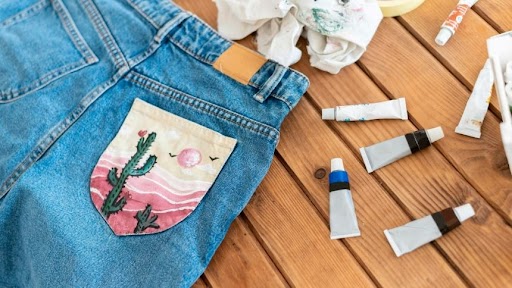
- Personalize denim jackets
- Enhance caps and backpacks
- Create limited-edition merchandise
- Showcase artistic expression
Vintage-inspired designs, Celtic artwork, and modern minimalist logos coexist in today’s fashion scene.
You’ll often see:
- Heritage-inspired embroidery on tourist apparel
- Custom club patches for student societies
- Creative art patches at Irish craft markets
This blend of old and new highlights how tradition continues to inspire modern design.
The Role of Tourism and Cultural Preservation
Ireland’s tourism industry also plays a major role in sustaining patch craftsmanship.
Visitors frequently purchase embroidered souvenirs featuring:
- The Claddagh symbol
- Irish flags
- Celtic knot designs
- Famous Irish landmarks
These items serve as portable reminders of Irish heritage.
More importantly, they help preserve traditional embroidery skills by sustaining demand for locally inspired craftsmanship.
Sustainability and Ethical Production
As sustainability becomes a global priority, Irish patch manufacturers are exploring eco-conscious solutions.
Current trends include:
- Recycled thread usage
- Low-waste production methods
- Small-batch manufacturing
- Durable materials that reduce replacement frequency
Consumers increasingly value products that combine tradition with responsible production.
Practical Insights: Choosing the Right Patch Type
If you’re considering custom patches in Ireland today, understanding your options is essential.
Embroidered Patches Are Ideal For:
- Classic aesthetics
- Detailed threadwork
- Heritage-inspired designs
- School and club uniforms
Iron-On Patches Are Best For:
- Easy application
- Quick branding solutions
- DIY fashion projects
- Promotional merchandise
PVC Patches Work Best For:
- Outdoor environments
- Tactical or industrial use
- Long-term durability
- Modern 3D designs
Choosing the right type depends on your brand identity, intended use, and budget.
The Future of Embroidered Patches in Ireland
Looking ahead, the Irish patch industry is expected to grow as:
- E-commerce expands access to customization
- Small businesses seek unique branding tools
- Fashion trends embrace personalization
- Cultural appreciation remains strong
Digital design software now allows precise mockups before production, reducing errors and improving customer satisfaction.
Additionally, the blend of traditional Irish motifs with contemporary design aesthetics ensures that patches remain culturally relevant while adapting to global markets.
Why Embroidered Patches Continue to Matter
Despite technological advancements, the core appeal of embroidered patches remains unchanged: they represent belonging, creativity, and identity.
Whether worn on:
- A sports jersey
- A scout uniform
- A corporate jacket
- A fashion statement piece
Patches communicate a message instantly and visually.
In Ireland especially, where symbolism and storytelling are deeply woven into national identity, patches are more than accessories—they are cultural artifacts.
Conclusion: Tradition Meets Innovation
The history of embroidered patches in Ireland reflects the country itself—deeply rooted in tradition yet continuously evolving.
From hand-stitched clan emblems to machine-made branding tools and modern PVC designs, patches have transformed in both form and function. They now serve industries ranging from sports and tourism to corporate branding and fashion.
If you’re considering adding patches to your brand, uniform, or merchandise line, now is the perfect time to explore the possibilities. With advancements in materials, customization options, and production methods, you can create designs that honor Irish heritage while embracing modern innovation.
Whether you prefer classic embroidery or cutting-edge materials, the evolution of patches in Ireland proves one thing: this timeless craft is here to stay.