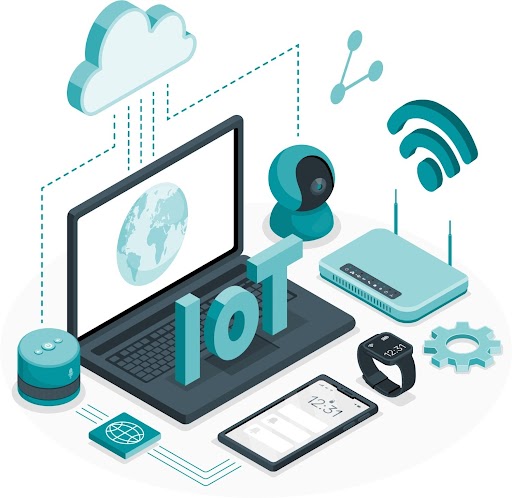
The Internet of Things (IoT) has rapidly transformed from a futuristic concept into a global technological revolution. Today, smart devices, sensors, and cloud-connected systems are embedded across industries—manufacturing, healthcare, agriculture, logistics, retail, energy, and even smart homes. As IoT adoption accelerates, businesses are under pressure to innovate faster, increase operational efficiency, and deliver intelligent products that can collect, analyze, and act on real-time data.
However, building IoT solutions is complex. It involves integrating hardware, firmware, networking protocols, data analytics, and cloud infrastructure—all while ensuring security and scalability. This is where a professional IoT development company plays a pivotal role.
An IoT development company provides the technical expertise, engineering resources, and strategic insight needed to bring intelligent connected solutions to life. From creating IoT platforms and sensors to building mobile applications, cloud dashboards, and AI-driven analytics engines, these companies help turn raw ideas into functional, future-ready IoT ecosystems.
In this article, we will explore what IoT development companies do, why businesses rely on them, the IoT development lifecycle, and what factors to consider when choosing the right partner for your project.
What Is an IoT Development Company?
An IoT development company specializes in building end-to-end Internet of Things solutions that connect devices, sensors, people, and data. Their services typically include:
- IoT solution architecture
- Hardware integration and sensor selection
- Firmware and embedded software development
- IoT mobile app and web app development
- Cloud platform development (AWS IoT, Azure IoT, Google Cloud IoT, etc.)
- Network and connectivity solutions (Wi-Fi, BLE, NB-IoT, LoRaWAN, 5G)
- Data analytics and AI integration
- IoT security implementation
- Testing, deployment, and maintenance
Because IoT products require a blend of hardware, software, and cloud expertise, companies increasingly rely on specialized IoT development partners to accelerate innovation and reduce risks.
Why Businesses Need an IoT Development Company
1. IoT Systems Are Highly Complex
IoT solutions are far more complex than traditional software. They involve multiple layers:
- Edge hardware
- Microcontrollers and firmware
- Wireless connectivity
- Cloud servers
- Data analytics systems
- Mobile and web applications
An IoT development company provides the multidisciplinary expertise required to align these components seamlessly.
2. Accelerated Time-to-Market
Launching an IoT product without the right expertise can take years. Professional IoT firms use rapid prototyping, optimized frameworks, and reusable modules to reduce development cycles.
3. Enhanced Security and Compliance
Security breaches in IoT can be disastrous. With millions of connected devices vulnerable to cyberattacks, IoT security must be built into every layer—device, network, and cloud. IoT development companies are familiar with:
- Encryption
- Authentication
- Secure firmware updates
- Identity management
- Data protection policies
This helps ensure safe deployment at scale.
4. Cost-Effective Innovation
Hiring full-time IoT engineers, cloud architects, firmware specialists, and data scientists is expensive. Outsourcing provides access to expert talent without long-term employment costs.
5. Scalable Solutions for the Future
IoT systems must support growing device fleets, increased data loads, and evolving business needs. IoT development companies design architectures with scalability in mind.
The IoT Development Lifecycle
Every IoT solution goes through a structured process. Although different providers use unique workflows, the general lifecycle includes the following phases:
1. Research and Requirements Analysis
The project begins with an understanding of business goals, user needs, technical requirements, and industry standards. Important questions include:
- What problem should the IoT solution solve?
- Who will use it?
- What data will be collected?
- What constraints or compliance rules apply?
2. Solution Architecture and Design
Engineers define the system blueprint, which may include:
- Sensor and hardware selection
- Communication protocols (BLE, LoRaWAN, Wi-Fi, cellular, etc.)
- Cloud ecosystem (AWS, Azure, GCP)
- Data processing pipelines
- Security policies
- User interface structure
A good IoT development company creates an architecture that is scalable, secure, and cost-efficient.
3. Hardware Integration and Firmware Development
Firmware controls the behavior of connected devices. This stage includes:
- Microcontroller programming
- Power management optimization
- Sensor calibration
- Device-to-cloud communication
- Over-the-air (OTA) update capability
Even slight errors here can cause device failures, making expert firmware engineering essential.
4. IoT Software, Cloud, and App Development
Software engineers build:
- Mobile applications
- Web dashboards
- Data visualization tools
- Cloud-based storage and analytics systems
- Device management platforms
The software layer is crucial for interpreting sensor data and enabling user interaction.
5. Prototyping and Testing
Before scaling to production, prototypes are created to validate:
- Connectivity
- Data accuracy
- Device durability
- Power consumption
- User experience
- Cloud communication reliability
Testing helps identify and fix issues before deploying large numbers of devices.
6. Deployment and Device Management
Once finalized, the IoT solution is deployed in the real world. A modern IoT development company ensures:
- Seamless installation
- Monitoring systems
- Over-the-air updates
- Troubleshooting tools
- Security patching
This stage is vital for long-term product performance.
7. Maintenance, Support, and Scaling
IoT ecosystems evolve continuously. Post-launch support includes:
- Feature updates
- Data analytics upgrades
- Enhanced security patches
- Adoption of new network technologies
- Integration with third-party systems
A reliable IoT development company offers ongoing partnership to keep the solution running smoothly.
Key Benefits of Partnering With an IoT Development Company
Access to Specialized Expertise
IoT requires diverse skill sets—embedded systems, cloud architecture, machine learning, mobile development, and more. An IoT firm provides all these under one roof.
Reduced Development Risks
Professional teams follow industry best practices to minimize technical failures and security vulnerabilities.
Faster Innovation
Ready-made frameworks and modular components accelerate development time.
Lower Total Cost of Ownership
You only pay for what you need, without heavy infrastructure investments.
Future-Proof Scalability
IoT solutions built by experts can grow with your business without requiring a complete redesign.
How to Select the Best IoT Development Company
When evaluating potential partners, consider the following factors:
1. Industry Experience
Choose a company familiar with your industry—whether it’s healthcare, agriculture, logistics, retail, or smart home automation.
2. Technical Portfolio
Review past projects, case studies, and client testimonials to gauge expertise.
3. End-to-End Capabilities
A strong IoT development company should handle everything from hardware and firmware to cloud and app development.
4. Security Standards
Security is non-negotiable. Ensure they follow best practices and compliance requirements.
5. Transparent Communication
Clear reporting, project updates, and collaborative tools are essential.
6. Scalability and Long-Term Support
IoT projects evolve. Your development partner should offer maintenance, updates, and future enhancements.
Frequently Asked Questions (FAQ)
1. What does an IoT development company do?
An IoT development company designs and builds connected devices, cloud systems, mobile apps, and analytics platforms for smart, data-driven solutions.
2. How long does IoT development take?
Depending on complexity, development may take 3 months for simple systems or 12–18 months for large-scale industrial IoT deployments.
3. How much does IoT development cost?
Costs vary based on hardware requirements, cloud infrastructure, software complexity, and integration needs. Most companies offer customized quotes.
4. Which industries benefit from IoT the most?
Industries such as manufacturing, healthcare, agriculture, energy, logistics, smart homes, and retail see significant advantages from IoT systems.
5. Is IoT secure?
Yes—when designed properly. IoT security includes encryption, authentication, firmware updates, network protection, and cloud security policies.
6. Can an IoT development company help with scaling?
Absolutely. They can optimize your architecture to support thousands or even millions of connected devices.
Disclaimer
This article is for informational purposes only. It does not constitute professional engineering, business, or legal advice. Organizations should consult qualified IoT development company and legal experts before making decisions related to IoT projects, data security, or compliance requirements.