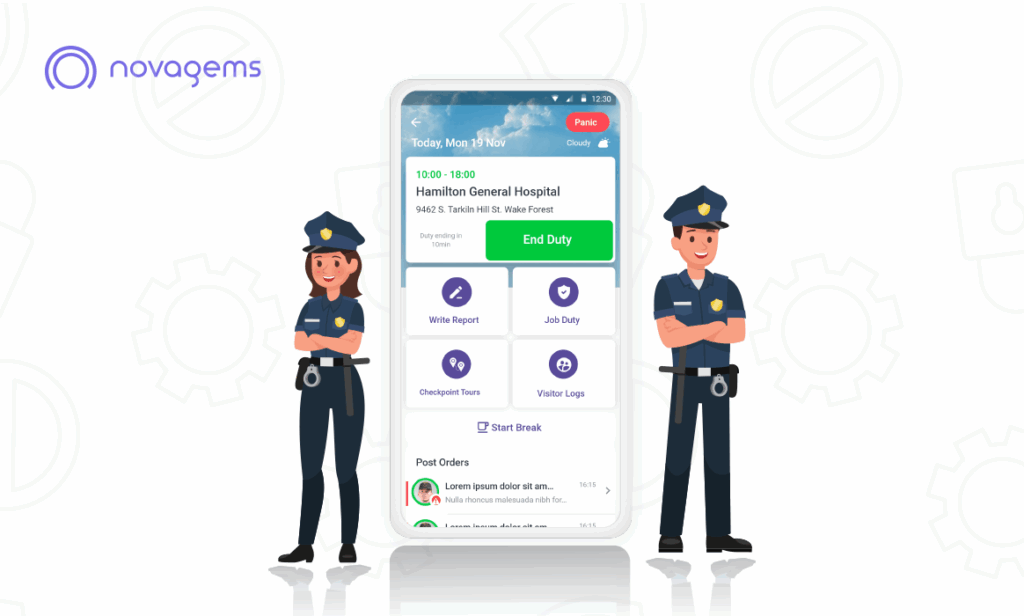
In today’s complex and ever-evolving landscape of security and compliance, safeguarding your assets, personnel, and reputation has never been more critical. Implementing an effective security guard system is a strategic move that offers numerous benefits beyond mere protection. Notably, it plays a vital role in helping organizations avoid legal issues and enhances the quality and accuracy of documentation. Let’s explore how security guard systems are indispensable tools for achieving legal compliance and improving documentation processes.
The Role of Security Guard Systems
A security guard system integrates various advanced technologies, protocols, and personnel strategies to monitor, control, and secure premises. These systems may include surveillance cameras, access control, incident reporting software, and communication devices that work together to establish a comprehensive security framework.
Preventing Legal Issues Through Guard Systems
One of the primary advantages of deploying a security guard system is the significant reduction in the risk of legal liabilities. Here’s how they help:
-
Ensuring Compliance with Laws and Regulations
Different industries and regions are subject to strict security-related laws, such as the Occupational Safety and Health Administration (OSHA) standards or local privacy laws. A well-implemented security guard system ensures that security personnel and procedures adhere to these laws by documenting activities, providing training modules, and establishing clear protocols.
For example, surveillance cameras and access logs can demonstrate compliance during audits or investigations, showing that security measures were appropriately enforced.
-
Deterrence and Prevention of Crime
A visible security guard presence, supported by monitoring technology, acts as a powerful deterrent against theft, vandalism, or other criminal activities. Prevention is always better than dealing with the aftermath of a breach, which can lead to costly lawsuits, insurance claims, or regulatory penalties.
-
Legal Defense and Evidence Gathering
In the unfortunate event of a dispute or incident, a thorough and well-maintained security system provides vital evidence. High-quality video footage, incident reports, and timestamps can serve as incontrovertible proof of events, aiding in legal defense or claims resolution.
-
Limiting Liability
Properly trained security guards equipped with systems for communication and incident documentation reduce the chances of misunderstandings or mismanagement. They can swiftly address issues, document actions taken, and report violations, thus limiting potential liability.
Improving Documentation with Guard Systems
Accurate and comprehensive documentation is the backbone of legal compliance and operational efficiency. Guard systems significantly enhance documentation in several ways:
-
Automated Incident Reporting
Modern security guard systems often include digital incident reporting tools. Guards can electronically log incidents, attaching photos or videos directly from surveillance feeds, ensuring detailed and accurate reports. This minimizes human error and ensures that reports are complete and consistent.
-
Real-Time Monitoring and Alerts
Real-time monitoring allows security personnel to respond swiftly to threats or breaches. Automated alerts notify guards or management instantly of unusual activity, creating an immediate record of events that can be stored for future reference.
-
Time and Attendance Tracking
Security guard systems often include access control and biometric verification features that track guard movements and shifts precisely. This data supports accurate payroll, shift management, and accountability.
-
Documentation for Audits and Reviews
Comprehensive logs generated by guard systems facilitate internal audits or regulatory reviews. Well-maintained records demonstrate compliance, show proactive security management, and provide transparency.
Best Practices for Leveraging Guard Systems
To maximize the benefits of a security guard system, organizations should consider the following best practices:
- Regular Training: Ensure security personnel are trained in system operation, incident documentation, and legal protocols.
- System Maintenance: Keep hardware and software up-to-date to prevent failures and security vulnerabilities.
- Clear Protocols: Establish clear procedures for incident reporting, access control, and emergency response.
- Data Security: Protect stored footage, reports, and logs from unauthorized access to avoid privacy violations and tampering.
- Periodic Audits: Review security procedures and system performance regularly to identify areas for improvement.
Conclusion
Investing in a comprehensive security guard system is more than a safety measure; it’s a strategic tool that helps organizations avoid legal pitfalls and streamlines their documentation processes. By ensuring compliance, providing accurate evidence, and enhancing accountability, these systems empower businesses to operate confidently within legal frameworks while maintaining a high standard of security.
In an increasingly regulated environment, the integration of advanced guard systems is not just advisable — it’s essential for safeguarding your organization’s future. Whether you’re protecting a corporate office, retail space, or industrial facility, leveraging the right security guard system can make all the difference in mitigating risks, ensuring compliance, and maintaining detailed, reliable documentation.