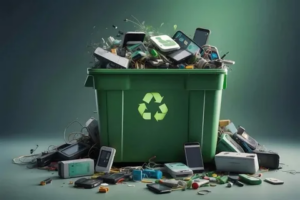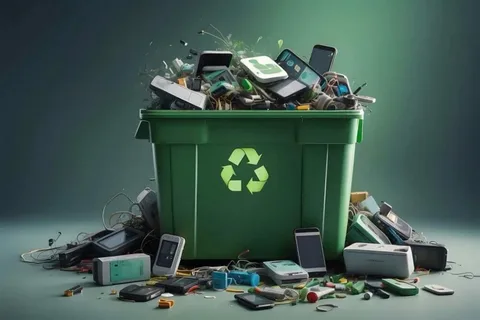
Electronic devices are an essential part of modern homes and businesses, but outdated computers, servers, laptops, printers, and networking equipment can quickly become difficult to manage. When organisations search for e waste near me, they are often looking for a convenient way to remove unwanted electronics while reducing environmental and data security concerns.
Responsible IT equipment disposal provides a structured approach by directing usable devices toward reuse and suitable materials toward recycling. It can also help businesses organise old assets, protect information, and reduce the amount of electronic waste that may otherwise be handled improperly.
Understanding Responsible IT Equipment Disposal
IT equipment disposal is more than simply removing old electronics from an office or storage area. It involves deciding what can still provide value, what should be refurbished, and what needs to enter appropriate recycling channels.
Businesses regularly replace computers, servers, storage devices, switches, printers, and other technology as their operational requirements change. Without a planned disposal process, retired equipment can remain in storage for long periods or eventually be mixed with general waste.
A responsible approach creates a clear pathway for these assets. Working equipment can potentially be refurbished and reused, while equipment that is no longer suitable for use can be processed through electronic waste recycling channels to recover reusable materials and manage unsuitable components appropriately.
Reducing the Environmental Impact of Electronic Waste
Electronic equipment contains different materials that can be recovered when processed through appropriate recycling systems. Responsible recycling helps prevent usable resources from being unnecessarily lost and supports more efficient use of materials.
Working devices can be refurbished and resold, while other equipment is processed through responsible electronic waste recycling channels to recover reusable materials and safely manage hazardous parts.
This approach supports a more circular way of managing technology. Instead of treating every outdated device as waste, organisations can consider whether equipment still has functional or material value. Reuse can extend the useful life of technology, while recycling can help recover materials from equipment that has reached the end of its practical life.
Extending the Life of Usable IT Equipment
Not every outdated device needs to become waste immediately. A computer that is no longer suitable for one organisation may still have value elsewhere, depending on its condition, specifications, functionality, and market demand.
Refurbishment can provide an opportunity to recover value from functional equipment. This is particularly relevant when businesses upgrade their technology but still have devices that can be used again.
By separating reusable equipment from material that requires recycling, businesses can avoid treating all retired assets in the same way.
Protecting Data During Equipment Disposal
Environmental responsibility is only one part of proper IT asset disposal. Data security is equally important because computers, servers, storage devices, and other electronics may contain confidential business or personal information.
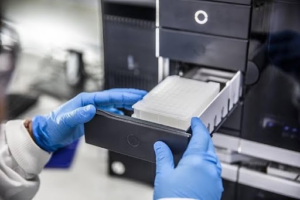
Simply deleting files does not necessarily provide the level of assurance required when an organisation retires a storage device. A structured disposal process should therefore include secure data handling before equipment is resold or recycled. Certified data wiping, physical destruction for damaged drives, and certificates of data destruction as part of its secure e-waste process.
This means responsible disposal can address two concerns at once: reducing electronic waste while helping prevent sensitive information from remaining accessible on retired equipment.
Supporting Businesses With Structured Asset Clearance
Businesses can accumulate significant quantities of outdated technology during office relocations, infrastructure upgrades, equipment replacement cycles, or data centre decommissioning.
A structured collection process can make these clearances easier to manage. Instead of allowing unused devices to occupy storage rooms, organisations can arrange collection and maintain a record of what has been removed. This type of organised approach can help IT and finance teams maintain better visibility over retired assets.
The Role of IT Equipment Recycling and Disposal Services
For organisations specifically seeking IT equipment recycling and disposal Dubai, a professional service can provide a practical way to manage retired technology from collection through processing.
Professional disposal services can therefore reduce the logistical burden associated with moving large quantities of equipment. They can also help organisations separate reusable assets from equipment that needs appropriate recycling.
Supporting the Circular Economy
Responsible IT disposal aligns closely with circular economy principles. A traditional linear model follows a simple pattern of purchasing equipment, using it, and eventually discarding it. A more circular approach considers how products and materials can remain useful for as long as possible.
For IT assets, this can involve several stages. Functional equipment may be reused or refurbished. Components and materials from unsuitable devices may be recovered through recycling. Data can be securely removed before equipment changes hands.
This approach can reduce unnecessary disposal and encourage greater value from existing technology. It also gives organisations a more considered method of managing the environmental impact associated with technology upgrades.
Why Businesses Should Plan IT Disposal
IT disposal should ideally be considered before equipment reaches the end of its useful life. Planning helps businesses identify which assets are being replaced, organise secure data handling, and determine how retired equipment should be managed.
A planned process can also reduce the risk of old technology remaining forgotten in storage areas. Businesses can maintain clearer records of retired equipment while supporting responsible reuse and recycling.
Conclusion
Responsible IT equipment disposal helps businesses manage outdated technology while supporting resource recovery, data security, and environmental responsibility. Separating reusable devices from recyclable equipment can reduce unnecessary electronic waste and extend asset value. For anyone searching for e waste near me, choosing a structured disposal service provides a convenient way to manage unwanted technology while supporting responsible e-waste management practices.
For reliable, secure, and responsible IT disposal solutions across the UAE, IT Scrap Buyer helps businesses and individuals manage unwanted IT equipment through convenient purchasing, free UAE-wide pickup, secure data destruction, and responsible e-waste recycling. The service accepts laptops, desktops, servers, networking equipment, storage devices, printers, and more, supporting both individual and bulk clearances with competitive valuations, organised collection, and prompt payment for eligible equipment.