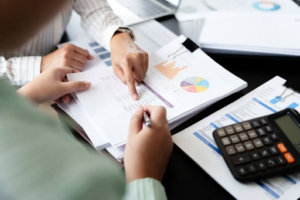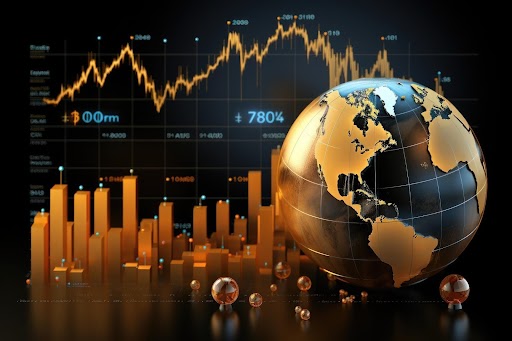
Global commodity investing has traditionally been associated with complex systems, high capital requirements, and limited accessibility. However, digital transformation has reshaped this landscape, making commodity markets far more approachable for individual investors. With the rise of advanced tools and integrated systems, a modern comex trading platform enables traders to participate in global commodity exchanges with greater ease, transparency, and efficiency. These platforms bridge the gap between international markets and retail investors by simplifying execution, enhancing visibility, and supporting smarter portfolio decisions. As a result, commodities have become a practical and strategic component of diversified investment portfolios.
1. Expanding Access to Global Commodity Markets
Modern trading platforms have significantly reduced the barriers that once restricted access to international commodity markets. Investors can now explore global opportunities without navigating fragmented systems or relying heavily on intermediaries.
- Unified Market Connectivity:
Digital platforms offer centralized access to global commodity exchanges, allowing investors to trade metals, energy products, and agricultural commodities from a single interface. This unified access reduces complexity and improves operational efficiency. - Simplified Onboarding Processes:
Account setup, verification, and funding processes are streamlined, enabling faster market entry. Reduced administrative requirements make global commodity participation more accessible to a wider investor base. - Transparent Pricing and Execution:
Real-time pricing and instant execution provide clarity on market movements. Transparency allows investors to plan strategies confidently and execute trades with precision.
By removing operational hurdles, modern platforms enable broader participation in global commodity markets.
2. Technology-Driven Market Analysis
Advanced analytics play a critical role in helping investors interpret commodity market behavior. Modern platforms transform raw data into actionable insights that support informed decision-making.
- Real-Time Data Feeds:
Live price updates, volume metrics, and market depth help investors stay informed of rapid market changes. Immediate access to data enhances responsiveness during volatile conditions. - Technical and Fundamental Indicators:
Integrated charting tools and macroeconomic indicators allow investors to analyze price trends alongside global economic factors. This combination supports balanced and informed strategies. - Automated Alerts and Signals:
Custom notifications for price levels or trend shifts reduce the need for constant monitoring. Automation improves discipline and minimizes emotional trading.
These analytical tools empower investors to make calculated decisions backed by data.
3. Simplifying Execution and Trade Management
Efficient execution is essential in commodity markets where prices can fluctuate quickly. Modern platforms focus on simplicity and speed to support better trade outcomes.
- User-Friendly Trading Interfaces:
Intuitive dashboards enable quick order placement without complex navigation. Speed and clarity enhance the trading experience, especially during fast-moving markets. - Integrated Risk Controls:
Stop-loss and target-setting features are embedded within trade execution. These tools help investors manage downside risk proactively. - Trade History and Performance Tracking:
Detailed reports provide insights into past trades, helping investors refine strategies and improve consistency over time.
Simplified execution allows traders to focus on strategy rather than operational challenges.
4. Supporting Strategic Diversification
Commodity investments are a valuable diversification tool, offering protection against inflation and equity market volatility. Modern platforms make diversification easier to implement and monitor.
- Multi-Commodity Exposure:
Investors can access metals, energy, and agricultural commodities within the same platform. This flexibility supports balanced portfolio construction. - Global Market Participation:
Exposure to international demand and supply dynamics helps investors reduce dependence on domestic trends. Global access enhances portfolio resilience. - Efficient Capital Deployment:
Position sizing and margin tools enable controlled exposure across multiple commodities. Strategic allocation improves risk-adjusted returns.
Through diversification, investors can stabilize portfolios while pursuing growth opportunities.
5. Integrating Multiple Asset Classes
Modern platforms increasingly support multi-asset investing, allowing commodities to coexist with other financial instruments in a unified ecosystem.
- Cross-Asset Visibility:
Viewing commodities alongside equities, currencies, and digital assets enables better correlation analysis. This visibility supports informed allocation decisions. - Centralized Portfolio Oversight:
Consolidated performance tracking reduces fragmentation and enhances clarity. Investors gain a comprehensive view of overall portfolio health. - Dynamic Asset Allocation:
Flexibility to shift capital between asset classes allows investors to respond effectively to market cycles. Adaptive strategies improve long-term outcomes.
Integrated platforms promote cohesive and efficient investment management.
6. Enabling International Commodity Participation
Technology has simplified access to international commodity exchanges, allowing investors to engage confidently with global markets.
- Exchange-Linked Infrastructure:
Direct connectivity ensures accurate pricing and reliable execution. Investors benefit from improved market integrity and confidence. - Standardized Trading Processes:
Uniform contract structures and settlement mechanisms reduce learning complexity. Standardization makes global trading more approachable. - Regulatory Alignment:
Structured access frameworks support responsible participation in established markets. Compliance enhances trust and long-term sustainability.
These features ensure smooth participation in international commodity ecosystems.
7. Bridging Traditional and Digital Markets
The convergence of traditional commodities and digital assets reflects the evolving nature of investing. Modern platforms enable this transition seamlessly.
- Unified Trading Environment:
Managing multiple asset types within a single platform improves efficiency and oversight. Investors benefit from consistent workflows. - Consistent Analytical Tools:
Similar tools across markets reduce the learning curve. Familiarity builds confidence across asset classes. - Expanded Growth Opportunities:
Access to a crypto trading platform alongside commodities enables investors to explore innovation-driven assets while maintaining portfolio balance.
This convergence represents the future of diversified, technology-led investing.
Conclusion
Modern trading platforms have redefined how investors approach global commodity investments by removing complexity and replacing it with clarity, speed, and control. Through centralized access to international markets, real-time analytics, and simplified execution tools, these platforms empower investors to make informed decisions without being overwhelmed by technical barriers. SkyTrade stands at the forefront of this transformation by delivering a comprehensive trading ecosystem designed for modern investors. With its advanced infrastructure, seamless market connectivity, and intuitive interface, the company enables traders to participate efficiently in global commodity markets while maintaining strong oversight of their portfolios. By integrating smart technology with a user-focused approach, SkyTrade supports strategic investing, disciplined risk management, and informed growth, making it a trusted partner for individuals seeking simplified yet powerful access to global trading opportunities.