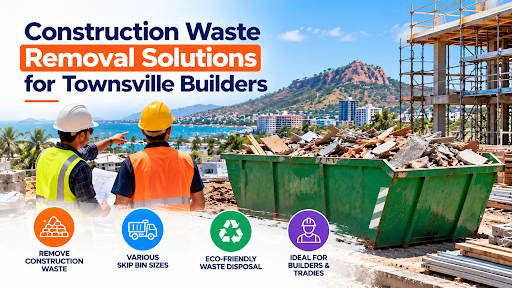
Construction projects generate a large amount of waste, from timber offcuts and plasterboard to packaging, bricks, concrete, and renovation debris. For builders in Townsville, managing this waste properly is important for keeping worksites clean, maintaining safety, and completing projects on schedule.
Whether you are building a new home, renovating a property, or managing a commercial construction site, choosing the right construction waste removal solution can save time and reduce unnecessary costs. Reliable waste management also helps builders organise materials and dispose of rubbish responsibly.
In this guide, we explore practical construction waste removal solutions for Townsville builders and explain how skip bin hire can make construction site cleanup easier.
Why Construction Waste Management Matters
Construction waste can quickly accumulate during building work. If rubbish is left around the site, it can block access, create trip hazards, and make it harder for workers to complete their tasks.
A proper waste management plan helps builders separate different materials, arrange regular rubbish collection, and maintain a more organised worksite.
Builders working on residential and commercial projects can explore reliable construction waste removal services in Townsville to find suitable options for managing construction debris.
Good waste management can also help reduce unnecessary trips to disposal facilities and make it easier to identify materials that may be suitable for recycling or reuse.
Common Types of Construction Waste in Townsville
Different construction projects produce different types of waste. Understanding what your site generates helps you choose the right waste removal service.
1. Timber and Wood Offcuts
Timber offcuts are common during framing, flooring, roofing, and carpentry work. Collecting these materials in a designated area keeps the site tidy and reduces clutter.
Where possible, clean timber may be reused or sent for recycling, depending on its condition and local facility requirements.
2. Bricks, Concrete, and Rubble
Demolition, renovation, and structural work can produce heavy materials such as bricks, concrete, tiles, and masonry rubble.
These materials require careful handling because they can quickly increase the weight of a skip bin. Ask your waste provider about dedicated heavy-waste bins and weight limits before booking.
3. Plasterboard and Packaging
Plasterboard, cardboard, plastic wrapping, and product packaging are generated during interior construction and finishing work.
Keeping recyclable packaging separate from general rubbish may improve recycling opportunities and reduce the amount of waste sent to landfill.
4. Renovation and Demolition Debris
Renovation projects may generate old fixtures, flooring, cabinetry, metal, and mixed building materials. Check which items your chosen provider accepts before placing them in a skip bin.
Asbestos, chemicals, paints, and other restricted materials may require specialised handling and must not be placed in an ordinary construction waste bin unless expressly permitted.
Benefits of Skip Bin Hire for Builders
Skip bin hire is a practical option for managing construction rubbish at residential, commercial, and renovation sites.
Convenient waste collection: A skip bin placed in a suitable location allows workers to dispose of approved waste as the project progresses.
Improved site safety: Keeping debris in a designated container helps reduce clutter and makes walkways easier to maintain.
Better time management: Workers can spend less time moving rubbish away from the worksite or making repeated disposal trips.
Flexible capacity: Different bin sizes can accommodate small renovation jobs, ongoing construction work, and larger building projects.
Simpler waste organisation: Separate bins for suitable waste streams can help builders manage materials more efficiently.
For builders managing several projects, arranging scheduled delivery and collection can also make site cleanup easier to coordinate with construction milestones.
How to Choose the Right Construction Skip Bin
Choosing the correct skip bin size is an important part of affordable construction waste removal. A bin that is too small may need replacing sooner, while an oversized bin may not be economical for a small project.
Consider these factors before booking:
- Project size: Estimate the amount of waste your building or renovation work will produce.
- Waste type: Heavy materials such as concrete require different considerations from lightweight packaging and timber.
- Available space: Ensure the delivery vehicle can access the site and the bin can be positioned safely.
- Hire period: Match the collection schedule with your construction timeline.
- Weight restrictions: Confirm the bin’s permitted load and any additional charges for excess weight.
- Accepted materials: Check the provider’s rules for mixed waste, recyclable materials, and restricted items.
Planning these details in advance can help you avoid unnecessary collection delays and additional disposal costs.
Eco-Friendly Construction Waste Disposal Practices
Responsible construction waste management involves more than removing rubbish from the site. Builders can also take practical steps to reduce waste and support better resource use.
Start by estimating material requirements accurately to reduce unnecessary offcuts and leftover supplies. Store usable materials safely so they can be used later in the project.
Separate clean cardboard, metal, timber, and other recyclable materials where suitable collection options exist. Reuse materials when they are safe and appropriate for the job.
You should also choose a waste removal provider that explains its accepted waste categories and disposal procedures. These steps can help builders manage construction waste more responsibly.
Choosing a Reliable Waste Removal Provider in Townsville
When comparing construction waste removal companies, consider service availability, bin sizes, collection arrangements, pricing transparency, and customer support.
Ask whether delivery and collection are included in the quoted price and whether extra fees apply for heavy loads, prohibited materials, or extended hire periods.
Builders should also confirm access requirements before delivery, particularly at narrow residential sites or busy commercial projects.
For local service details, available bin options, and booking information, visit Townsville skip bin hire for construction projects. Choosing a suitable service can help keep your project organised from the early building stages through to final cleanup.
Conclusion
Construction waste removal is an essential part of managing successful building projects in Townsville. From timber offcuts and packaging to bricks, concrete, and renovation debris, every waste type needs suitable handling and disposal.
By selecting the right skip bin, planning collections, separating recyclable materials, and checking waste restrictions, builders can maintain cleaner worksites and manage construction rubbish more efficiently.
Whether you are working on a small renovation or a large commercial development, a well-planned waste management solution can help save time, improve site organisation, and support responsible construction practices.