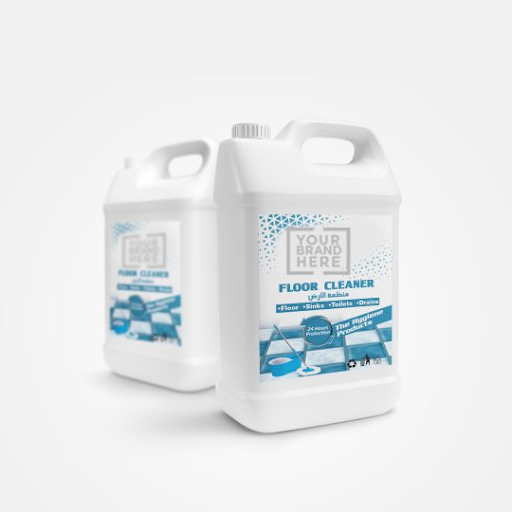
Effective labeling is a critical component in the cleaning industry, bridging the gap between product formulation and user safety. Floor cleaner liquids labeling ensures that essential information about ingredients, usage, and safety precautions is clearly communicated to consumers. Beyond regulatory compliance, well-designed labels enhance user confidence, reduce misuse, and promote a professional brand image.
For businesses, labeling also serves as a marketing tool, highlighting product benefits, eco-friendliness, and unique features. With growing awareness among consumers about chemical safety and responsible usage, investing in precise and informative labeling has become both a necessity and a competitive advantage.
Communicating Safety Information Clearly
Clear hazard symbols and first-aid directions empower consumers to handle products confidently. Storage recommendations prevent degradation of active ingredients and ensure long-term product reliability.
- Hazard Warnings and Precautions: Proper labels provide visible hazard symbols and safety instructions to prevent accidents during handling and use. They alert users to potential risks such as chemical burns, toxicity, or flammability. Clear precautions reduce workplace incidents and enhance overall user safety.
- First-Aid Instructions: Including step-by-step guidance for accidental exposure ensures that users can respond appropriately to minor incidents. Instructions cover measures like rinsing, seeking medical attention, or neutralizing chemicals. Well-documented first-aid information builds confidence and minimizes the severity of accidents.
- Storage Guidelines: Information about temperature, humidity, and shelf-life helps maintain product integrity and effectiveness. Proper storage prevents chemical degradation, spillage, or contamination over time. Clear labeling guides both consumers and staff in handling and preserving the product safely.
Enhancing User Experience and Ease of Use
Stepwise instructions reduce errors in application and ensure optimal performance. Visual cues like icons and color differentiation enhance comprehension and efficiency. Highlighting benefits helps customers make informed decisions quickly, increasing satisfaction and brand loyalty.
- Step-by-Step Usage Instructions: Labels guide consumers on correct dilution, application methods, and surface compatibility. Detailed steps ensure effective cleaning while preventing misuse or damage. Clear instructions enhance user experience and promote safe, consistent results.
- Visual Aids and Icons: Using pictograms and color-coding simplifies understanding, especially for multilingual or diverse audiences. Visual cues quickly communicate safety measures, usage tips, and product functions. Well-designed icons reduce confusion and make the product more accessible to everyone.
- Highlighting Key Benefits: Clearly displaying attributes such as antibacterial properties, fast-drying formula, or eco-friendly composition boosts consumer confidence. Highlighted benefits differentiate the product from competitors on crowded shelves. Consumers can make informed choices quickly, increasing satisfaction and repeat purchases.
Building Regulatory Compliance and Industry Credibility
Accurate ingredient disclosure not only informs the consumer but also aligns with health and safety regulations. Adhering to local and global standards prevents fines, recalls, and reputational damage.
- Adherence to Local and International Standards: Ensures labels meet chemical, environmental, and safety regulations. Compliance demonstrates the brand’s commitment to quality and responsible floor cleaners contract manufacturing. Following standards builds trust with regulators, distributors, and consumers alike.
- Accurate Ingredient Disclosure: Lists active and inactive components, supporting transparency and safety. Helps consumers make informed choices, particularly for allergies or sensitivities. Clear ingredient information reinforces brand credibility and ethical practices.
- Legal and Liability Protection: Compliant labeling protects brands from potential legal disputes and recalls. Reduces financial and reputational risks associated with regulatory non-compliance. Well-documented labels ensure accountability and safeguard long-term business integrity.
Strengthening Brand Identity Through Labeling
Consistency in design elements ensures that products are easily recognizable and reinforces brand identity. Differentiating features like fragrance, fast-acting formulas, or biodegradable ingredients helps consumers choose products that align with their preferences.
- Consistent Visual Branding: Uniform colors, fonts, and logos reinforce recognition and reliability. Consistency strengthens brand identity across retail shelves and digital platforms. Familiar visuals build consumer trust and encourage long-term loyalty.
- Promoting Product Differentiation: Highlight unique features, fragrances, or eco-friendly aspects to stand out in competitive markets. Clear differentiation helps consumers quickly understand why the product is superior. Unique selling points drive attention, preference, and repeat purchases.
- Professional Presentation: High-quality materials and print finish create a premium perception and encourage repeat purchases. Attractive packaging reflects the care and quality of the product inside. A polished presentation enhances consumer confidence and elevates brand reputation.
Conclusion
Accurate and well-structured labeling is essential for safety, compliance, and customer satisfaction. By focusing on clear communication, user convenience, regulatory adherence, brand identity, and sustainability, businesses can establish credibility and strengthen consumer trust. Implementing private-label hygiene liquids not only protects end-users but also elevates brand perception in competitive markets.
Consider Perfect Hygiene for expert floor cleaner solutions, private label hygiene liquids, and professional labeling services that reinforce safety and customer trust.