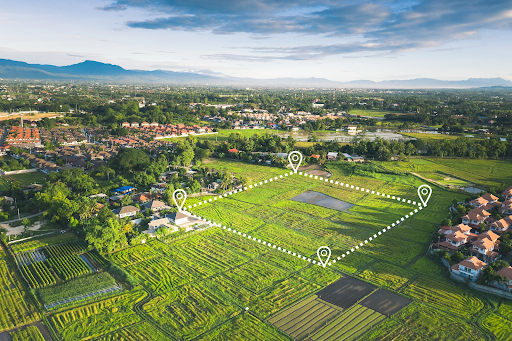
When investing in real estate, one of the most crucial aspects to ensure a smooth and secure transaction is verifying the land record. Overlooking this important step could lead to significant legal and financial troubles later on, ranging from disputes over title ownership to delayed possession of property. Whether you are a first-time buyer or a seasoned investor securing your dream home, taking precautions by verifying the property’s land record is an essential safeguard. In this article, we will explore effective ways to verify land records and ensure that your investment is not only safe but also free from legal ambiguity. Additionally, we’ll discuss how this verification can influence decisions related to acquiring a home loan and provide you with substantial peace of mind.
Why Verifying Land Records Is Essential
Owning property is a dream for many, yet this dream can quickly turn into a nightmare if the proper legal checks are not in place. The importance of verifying the land record lies in its ability to confirm the legal ownership of the land, ensure that it is free from encumbrances, and validate whether all necessary permissions and clearances are in place. By neglecting this step, potential buyers expose themselves to fraud, disputes, and delays that could wreak havoc on their finances.
As property prices rise and the process of obtaining a home loan becomes simpler, more individuals are inclined to invest in real estate. However, the lack of due diligence regarding land records might cost you both your precious time and savings.
Understanding the Term “Land Record”
A land record is an official document maintained by state or local authorities to record all transactions, ownership details, and other historical data related to a particular piece of land or property. These records typically include the following:
- Land Title Deed: Proof of ownership
- Mutation Record: Reflects transfer of ownership or inheritance
- Encumbrance Certificate: Indicates whether the land is free from any financial or legal liabilities
- Survey Records: Details around area, boundaries, and dimensions of the land
Ensuring that these records are accurate and up-to-date can help verify the legitimacy of a property and its seller.
Top Methods to Verify Land Records Before Buying Property
- Examine the Title Deed
The first and foremost step in verifying a land record is to review the Title Deed. This document is proof that the property legally belongs to the seller. Thoroughly check for these details:
- The title should be clear, with no shared ownership or ambiguity.
- Confirm the name, property description, and boundaries.
- Ensure the seller has the legal right to transfer ownership.
Engaging a legal expert to scrutinize the title deed can eliminate any uncertainties. Without a clear title, legal disputes are bound to arise later.
Check for Encumbrance Certificate (EC)
The Encumbrance Certificate is another important component of the land record. This document confirms that the property is free from any pending legal disputes or financial liabilities such as unpaid loans, mortgages, or taxes. If the EC lists any encumbrances, carefully analyze the nature of the entries or consult a lawyer before proceeding with the purchase.
Verify Mutation Record
Mutation is the process of updating a property’s ownership record in government records following a change in ownership. This is important when land has been inherited or sold. Ask for the mutation record, often referred to as “Patta” in India, to confirm that the property is in the name of the present seller.
Obtain the Land Survey Record
A land survey record contains essential details such as the exact location, size, shape, and boundaries of the piece of land. By verifying survey numbers and boundary details, you can ensure that the property you intend to buy matches the seller’s description. Cross-verifying these details with official maps or survey reports eliminates any risk of boundary-related disputes after purchase.
Cross-check with the Land Revenue Department
The Land Revenue Department in your state or locality maintains archives of land records. Request for record verification from authorities to cross-check the authenticity of the documents provided by the seller. Many states in India have even digitized land records, making it easy to access this information online.
Request for Property Tax Receipts
Verify that all property tax payments made by the seller are up-to-date. Discrepancies in tax payments might raise questions about whether the current owner has clear ownership over the property. Moreover, unpaid dues could lead to financial troubles for the buyer in the future.
Physically Inspect the Land
At times, the records and boundaries listed in the land record may not tally with the actual physical land. Schedule a visit to physically inspect the boundaries, landmarks, and utilities. This step is crucial to verify that no unauthorized encroachments have occurred.
Check Zoning Laws and Approvals
Some buyers overlook whether the land in question adheres to zoning regulations or if it has received government approval for specific purposes, such as residential, agricultural, or commercial use. Ensure that the land approvals are in order before applying for a home loan or investing your hard-earned savings.
Conduct Legal Due Diligence
Hiring a property lawyer is one of the most reliable ways to ensure that all aspects of the land record are in order. A legal professional can verify not only the documentation but also investigate the ownership trail, financial transactions, taxes, and approvals, leaving no room for error in your decision.
Check Online Land Record Portals
Some popular platforms include Dharani Portal (Telangana), Bhulekh (Uttar Pradesh), and Jamabandi (Punjab). In the north, the “Aapki Zameen Aapki Nigrani” portal is the go-to resource for a j&k land records khasra number search, allowing users to verify ownership and cultivation details for specific land parcels across the Union Territory.
How Verifying Land Record Impacts a Home Loan
When applying for a home loan, financial institutions thoroughly examine the legal status and documentation of the property. A clear and verified land record ensures smoother approval of your loan. Banks are typically wary of financing properties with unclear legal statuses, as disputes increase the risk of default. By presenting accurate and legitimate documents, you can demonstrate credibility, reduce claim-processing delays, and improve your eligibility for a home loan.
Conclusion
Investing in real estate is undoubtedly one of the most valuable and life-changing decisions for an individual or family. While the process may seem daunting, taking extra time to verify the land record is critical to avoiding long-term legal and financial problems. Careful examination of crucial documents such as the title deed, mutation record, and encumbrance certificate alongside physical inspections and professional legal verification ensures peace of mind and security for your investment.
By diligently following these steps and cross-checking all necessary documents, you not only secure your property rights but also eliminate risks of fraud and disputes. Additionally, such verification is indispensable if you’re planning to avail a home loan for your purchase. Your dream home deserves nothing less than careful scrutiny and due diligence at every step.
By making land record verification your first step in the property-buying process, you pave the way for a hassle-free and fulfilling real estate journey. Always remember: an informed buyer is a safe buyer.