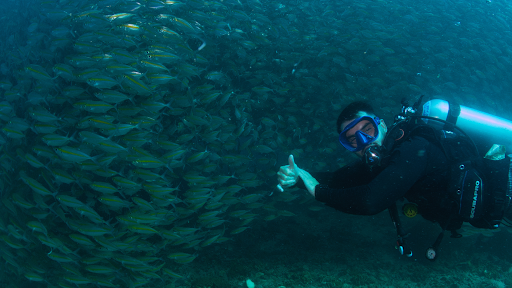
Choosing the right dive centre is one of the most important decisions you’ll make when learning to scuba dive. The quality of instruction, group size, equipment, and safety standards all influence your overall experience.
Whether you’re trying scuba diving for the first time or working toward becoming a professional diver, choosing a dive centre that matches your goals, experience level, and learning style is essential. La Bombona Diving offers a range of courses and services that appeal to many divers.
Here are some of the key factors to consider when choosing a scuba diving centre in Koh Tao.
1. Courses for Every Experience Level
A good dive centre should offer courses suitable for beginners as well as experienced divers.
If you’ve never dived before, you can usually start with a Try Dive or Discover Scuba Diving experience. This allows you to experience scuba diving under the direct supervision of an instructor without completing a full certification course.
If you decide to become certified, you can continue with an Open Water Course, which teaches the essential skills needed to dive independently with a buddy.
Many dive centres also offer progression courses such as:
- Open Water
- Advanced Explorer 30 or Advanced Open Water
- Rescue Diver
- Divemaster
- Instructor Training
Having multiple course options allows divers to continue developing their skills with the same training provider if they choose.
2. A Well-Structured Open Water Course
For beginners, a clear course structure makes learning more manageable.
Most Open Water courses include:
- Online or classroom theory
- Confined water or pool training
- Four open-water dives
- Equipment rental
- Certification upon successful completion
Students are also required to complete a swimming assessment, which typically includes:
A 200-metre swim without aids, or a 300-metre swim using a mask, snorkel, and fins
A 10-minute float or tread-water test
Before training begins, students complete a medical questionnaire. Depending on the responses, some may need medical clearance before diving.
A structured course helps students develop confidence while learning essential scuba skills safely.
3. Small Groups and Personal Attention
Learning to scuba dive is often easier in smaller groups. Many beginners need extra practice with skills such as:
- Breathing underwater
- Mask clearing
- Equalising pressure
- Buoyancy control
Smaller class sizes allow instructors to spend more time with each student and identify any difficulties early.
Regardless of group size, students should always follow instructions carefully, complete the required skills, and communicate any concerns to their instructor.
4. Multilingual Instruction
Clear communication plays an important role in scuba diving training.
Students need to understand:
- Equipment setup
- Buddy checks
- Hand signals
- Emergency procedures
- Depth limits
- Safety rules
Many dive centres in Koh Tao offer instruction in multiple languages, such as English, Spanish, French, and German. Language availability may depend on instructor schedules, so it’s best to confirm before booking.
Learning in a language you’re comfortable with can make the course easier to understand and improve communication throughout the training.
5. Access to a Variety of Dive Sites
Koh Tao is known for its wide range of dive sites suitable for different experience levels.
Depending on weather and sea conditions, divers may visit:
- Shallow training bays
- Coral reefs
- Rocky underwater formations
- Deeper offshore dive sites
Dive sites are selected based on factors such as:
- Weather
- Sea conditions
- Visibility
- Currents
- Diver experience
No dive centre can guarantee a particular dive site or marine life sighting, as conditions change daily.
Some operators also organise trips to offshore dive sites that may include guided dives, equipment rental, refreshments, and boat transport. It’s always a good idea to confirm what’s included before booking.
6. Experience and Reputation
Experience can be one factor when comparing dive centres.
A centre that has operated for many years may have experienced instructors and established training systems. However, experience alone shouldn’t determine your decision.
It’s also worth considering:
- Instructor qualifications
- Equipment maintenance
- Safety standards
- Recent customer reviews
- Insurance coverage
- Cancellation policies
Looking at all of these factors provides a better picture of the overall quality of a dive centre.
7. A Strong Focus on Safety
Safety should always be a priority when learning to scuba dive.
Students should receive clear instruction on:
- Setting up scuba equipment
- Using the regulator correctly
- Checking air pressure
- Operating the buoyancy control device (BCD)
- Completing buddy checks before every dive
It’s also worth asking about:
- Emergency oxygen availability
- First-aid equipment
- Emergency communication systems
- Emergency evacuation procedures
- Access to nearby medical facilities
A responsible dive centre will also advise students not to dive if they are unwell, sleep-deprived, under the influence of alcohol, or have medical conditions that could affect their safety underwater.
Conclusion
Choosing the right dive centre can make a significant difference to your scuba diving experience. Looking for structured courses, qualified instructors, small class sizes, strong safety practices, and access to suitable dive sites will help you make an informed decision.
Before booking, compare different operators, ask questions about training and safety procedures, and make sure you understand what’s included in the course or dive package. Taking the time to choose a centre that matches your needs can help you enjoy a safer, more enjoyable scuba diving experience in Koh Tao.