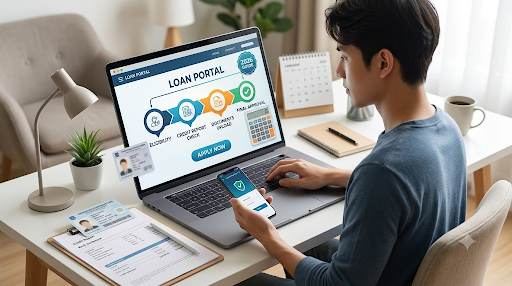
Applying for a Personal Loan has become more convenient as lenders continue to expand their digital services. Before starting the application process, it helps to understand the Personal Loan definition. A Personal Loan is an unsecured loan that allows you to borrow funds for various financial needs, such as medical emergencies, home renovations, education expenses or debt consolidation, without pledging any collateral. Today, many lenders allow you to complete the entire application online using a computer or smartphone. However, convenience does not remove the need for careful planning. Understanding the application process, preparing the required documents and reviewing your eligibility beforehand can help you complete the process with greater confidence and fewer delays.
What Is a Personal Loan?
A Personal Loan is generally an unsecured loan that allows you to borrow a fixed amount and repay it in monthly instalments over an agreed period. Since these loans usually do not require collateral, lenders assess factors such as your income, credit history and repayment capacity before making a lending decision.
People often use Personal Loans to manage planned or unexpected expenses, including home improvements, medical bills, education costs, travel or debt consolidation. Borrowing responsibly and selecting an amount that matches your repayment ability can help you manage the loan comfortably.
Check Your Eligibility Before Applying
Checking the basic eligibility requirements before applying can save time and help you understand whether you meet the lender’s initial criteria. Although the exact requirements differ between lenders, several factors commonly influence the assessment.
The main eligibility factors include:
- Age: Most lenders specify a minimum and maximum eligible age for applicants.
- Income: A regular and stable income helps demonstrate your ability to repay the loan.
- Employment Status: Salaried and self-employed applicants may need to meet different eligibility requirements.
- Credit History: A positive repayment record may improve your chances of approval.
- Existing Financial Commitments: Lenders often review your current debt and repayment obligations before assessing your application.
Reviewing these factors in advance can help you identify any areas that may need attention before you submit your application.
Keep the Required Documents Ready
Preparing your documents before starting the online process can make the application quicker and reduce delays during verification. Keeping digital copies ready also allows you to complete each stage without interruption.
You should generally keep the following documents ready:
- Identity Proof: A valid government-issued identity document, such as an Aadhaar card, PAN card, passport or driving licence.
- Address Proof: A document that confirms your current residential address.
- Income Proof: Recent salary slips, income statements or other relevant financial records.
- Employment Details: Information about your employer or business, depending on your employment type.
- Bank Statements: Recent statements that help verify your financial information.
Some lenders may request additional documents depending on your individual circumstances. Reviewing the document checklist before applying can help prevent unnecessary follow-up requests.
How to Apply for a Personal Loan Online
Most lenders follow a similar online process, although individual procedures may differ slightly. Completing each step carefully can help the application progress more smoothly.
The application process usually involves the following steps:
- Compare Loan Options: Review loan amounts, repayment periods, interest rates and applicable charges before making a decision.
- Check Eligibility: Confirm that you meet the lender’s basic requirements before proceeding further.
- Complete the Online Personal Loan Application: Fill in the Personal Loan application accurately by providing your personal, employment and financial details.
- Upload Supporting Documents: Submit the required digital documents for identity, income and address verification.
- Verification and Assessment: The lender reviews your application, verifies your documents and assesses your repayment capacity.
- Approval and Disbursal: If your application meets the lender’s requirements, the loan is approved, and the funds are disbursed according to the lender’s process.
Providing complete and accurate information at every stage can reduce delays and help the verification process move forward efficiently.
Tips for a Smooth Online Application
A few practical habits can improve your overall application experience and reduce the likelihood of avoidable issues. Paying attention to the details before submitting your application can make the process more straightforward.
The following tips may help:
- Provide Accurate Information: Ensure every detail matches your official documents.
- Borrow Responsibly: Apply only for the amount you genuinely need and can comfortably repay.
- Review the Loan Terms: Read the repayment schedule, applicable charges and other conditions before accepting the offer.
- Maintain a Healthy Credit Profile: Paying bills and existing loan instalments on time may support your creditworthiness.
- Keep Your Documents Updated: Current identity, address and income records can help avoid unnecessary verification delays.
Taking these simple steps can improve your application experience and help you prepare for the lender’s review process.
Conclusion
Applying for a Personal Loan online has become a straightforward process, but careful preparation still plays an important role. Checking your eligibility, organising the required documents and completing each step accurately can help make the application smoother. Before applying, take time to review the loan terms and ensure the borrowing amount suits your financial situation. A well-prepared application can help you make informed borrowing decisions.