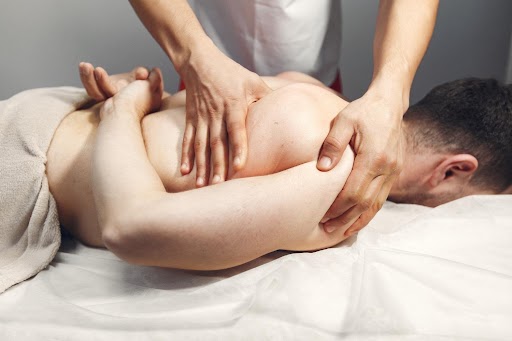
Selecting a massage is not simply about finding a treatment that feels relaxing. Different techniques use different levels of pressure, movements, oils, stretching methods, and bodywork principles. Understanding these differences can help you select a session that matches your comfort level and wellness goals. For anyone considering a professional body massage in Dubai, knowing how Thai massage compares with popular options such as Swedish, deep tissue and oil massage can make the decision much easier. Each approach has its own character, and the best choice depends on what you expect from the experience.
What Makes Thai Massage Different?
Thai massage has a distinctive approach because it combines pressure-based bodywork with assisted stretching and controlled movements. Instead of relying mainly on long, flowing strokes, the therapist may use their hands, thumbs, elbows, or other parts of the body to apply pressure to selected areas.
Stretching is another important feature. The therapist may guide the client through gentle movements designed to mobilise different parts of the body. This creates a session that can feel more active than a conventional relaxation massage.
Thai massage is traditionally performed with little or no massage oil, depending on the setting and treatment style. Clients generally remain clothed in comfortable, loose-fitting garments, although practices can vary between providers.
Thai Massage vs. Swedish Massage
Thai and Swedish massage both offer relaxation, but they use noticeably different techniques and treatment approaches.
- Technique: Thai massage combines pressure-point work, assisted stretching, and guided movements. Swedish massage uses long, flowing strokes, kneading, and rhythmic pressure.
- Treatment Style: Thai massage is usually performed while wearing comfortable clothing, whereas Swedish massage is generally performed with oil applied to the skin.
- Main Focus: Thai massage places greater emphasis on movement, flexibility, and pressure work, while Swedish massage primarily focuses on relaxation and easing muscle tension.
Ultimately, the better choice depends on your preferred level of movement, pressure, and relaxation.
Thai Massage vs. Deep Tissue Massage
Thai and deep tissue massage both involve pressure, but they approach bodywork differently. The main difference lies in whether the treatment focuses on targeted muscular work or combines pressure with stretching and movement.
- Technique: Deep tissue massage uses slow, focused pressure on areas with deeper muscular tension, while Thai massage combines pressure with assisted stretching and guided movements.
- Treatment Style: Deep tissue massage generally concentrates on specific areas that feel tight or tense. Thai massage involves a more active approach, with the therapist helping move and stretch different parts of the body.
- Main Focus: Deep tissue massage is suited to those seeking targeted muscular work, whereas Thai massage may appeal to people who prefer pressure combined with movement and stretching.
- Comfort Matters: Firmer pressure does not necessarily mean a more effective massage. Clients should communicate their comfort level and inform the therapist if any technique causes excessive discomfort.
Thai Massage vs. Oil Massage
Thai and oil massage offer different approaches to relaxation and bodywork. The main differences include:
- Technique: Oil massage uses smooth, continuous strokes and kneading, while Thai massage combines pressure points, stretching, and guided movements.
- Use of Oil: Massage oil helps reduce friction and supports the flowing movements used during an oil massage. Thai massage traditionally uses little or no oil.
- Treatment Style: Oil massage provides a calm, soothing experience, whereas Thai massage is more active and movement-oriented.
- Main Focus: Choose oil massage if you prefer flowing, relaxation-focused bodywork. Thai massage may suit those who enjoy pressure, stretching, and assisted movement.
How Does Your Personal Preference Matter?
Your massage choice should reflect your comfort, expectations, and reason for booking. Before selecting a treatment, consider these three questions:
1. How much pressure do you prefer?
If you enjoy gentle-to-moderate pressure, Swedish or oil massage may suit you. For firmer, targeted pressure, deep tissue or Thai massage may be more appropriate.
2. Do you prefer relaxation or movement?
Swedish and oil massages generally focus on flowing, calming techniques. Thai massage includes stretching, pressure points, and assisted movements for a more active experience.
3. What is your main wellness goal?
If relaxation is your priority, a Swedish or oil massage may be suitable. If you prefer pressure combined with stretching and movement, Thai massage could be a better fit.
What Should You Discuss With Your Therapist?
Clear communication can make your massage more comfortable and personalised. Before the session begins, tell the therapist about sensitive areas, your preferred pressure level, and any techniques you would like to avoid. You can also ask about the treatment process, especially if it is your first time trying a particular massage style.
During the session, speak up if the pressure feels uncomfortable or a movement causes discomfort. Your comfort should remain a priority throughout the appointment. It is also worth confirming the provider’s privacy and draping practices so you know what to expect before the treatment begins.
Is Thai Massage Better Than Other Massage Styles?
There is no single massage style that is best for everyone. Each technique offers a different experience and may suit different preferences.
- Thai Massage: Combines pressure, stretching, and guided movements for a more active treatment.
- Swedish Massage: Uses flowing strokes and kneading to encourage relaxation.
- Deep Tissue Massage: Focuses on applying targeted pressure to areas of muscular tension.
- Oil Massage: Emphasises smooth, continuous movements for a calming experience.
No massage style is universally better. Thai massage suits those seeking pressure and stretching, while Swedish, deep tissue, and oil massages cater to different relaxation and bodywork preferences.
Selecting A Massage in Dubai
Dubai offers a wide range of massage experiences, making it useful to look beyond promotional pricing when selecting a provider. Consider the therapist’s training, the treatment description, hygiene standards, privacy arrangements, communication and whether the service can be adapted to your comfort level.
A provider with multiple massage styles can also make comparison easier because you can discuss your requirements rather than trying to select a treatment from a name alone. If you see an attractive offer, check what the package actually includes. Duration, massage technique, therapist availability and any additional services can affect the overall value.
Conclusion
Thai massage combines pressure, stretching, and guided movement, while Swedish, deep tissue, and oil massages offer different approaches to relaxation and bodywork. The right choice depends on individual preferences and comfort. When exploring Thai massage offers in Dubai, clients should consider treatment quality, therapist expertise, privacy, and overall service value. Summer Pearl Spa provides different massage options, allowing clients to explore treatments based on their personal relaxation and wellness preferences. An informed choice can make the overall massage experience more comfortable, suitable, and rewarding.