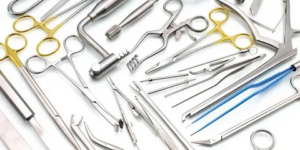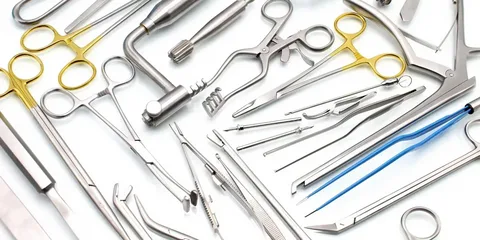
General surgery involves a wide range of procedures that require accuracy, controlled movements, and proper access to the surgical site. From making an incision and separating tissue to controlling bleeding and closing wounds, every stage depends on appropriately designed surgical tools. Understanding basic surgical instruments helps medical students, healthcare professionals, and procurement teams recognize how each instrument contributes to an organized and efficient surgical procedure.
What Are General Surgical Instruments?
General surgical instruments are specialized medical tools designed to assist surgeons during different stages of surgical procedures. They are manufactured in different shapes, sizes, and configurations because each tool serves a particular function.
Depending on the procedure, surgeons may need instruments for:
- Cutting and dissecting tissue
- Grasping and holding tissue
- Retracting organs and tissues
- Clamping blood vessels
- Suctioning fluids
- Suturing and wound closure
- Exploring and accessing surgical areas
Using the appropriate instrument allows surgeons to perform specific tasks with greater control while supporting an organized operating room workflow.
Why Are Surgical Instruments Important in General Surgery?
Surgical instruments are an essential part of the operating environment because different procedures require different forms of manipulation and access. A surgeon may use several instruments during a single procedure, with each tool performing a specific task.
For example, cutting instruments help create or extend an incision, while forceps can assist with tissue handling. Retractors can provide better access to the operative field, and clamps can help control bleeding.
The correct combination of instruments can therefore support precision, visibility, tissue handling, and procedural efficiency.
Types of Instruments Used in General Surgery
General surgery requires a broad range of instruments. Understanding their individual functions makes it easier to see how they contribute to different surgical stages.
1. Cutting and Dissecting Instruments
Cutting instruments are used to make incisions and separate tissue. Scalpels and surgical scissors are among the most frequently recognized tools in this category.
Scalpels consist of a handle and blade designed for controlled cutting. Surgical scissors come in various shapes and sizes, allowing surgeons to select an instrument according to the tissue and procedure.
Mayo scissors, for example, are designed for heavier cutting applications, while Metzenbaum scissors are generally associated with more delicate tissue dissection.
2. Grasping and Holding Instruments
Grasping instruments allow surgeons to hold, manipulate, or stabilize tissue during an operation. Forceps are available in multiple designs, with differences in their tips, jaws, and gripping characteristics.
Allis forceps provide a firm grip, while Babcock forceps are designed for gentler handling of certain tissues. Adson forceps can support precise tissue manipulation, particularly during procedures requiring controlled handling.
The choice of forceps depends on the tissue involved and the level of grip required.
3. Retractors for Better Surgical Access
Visibility and access are important during surgical procedures. Retractors help move tissues or organs away from the operative area, allowing the surgeon to work more effectively.
Retractors may be handheld or self-retaining. Examples include Deaver, Langenbeck, and Gelpi retractors. Their design and size vary according to the surgical site and the depth of access required.
By maintaining appropriate exposure, retractors can help the surgical team maintain a clearer view of the area being treated.
4. Hemostatic Instruments for Bleeding Control
Controlling bleeding is an important component of many surgical procedures. Hemostatic instruments, including clamps and forceps, help surgeons control blood vessels and other structures when required.
Mosquito, Kelly, and Crile hemostats are examples of instruments used for clamping applications. Their locking mechanisms allow the surgeon to maintain a controlled grip.
Different sizes and jaw configurations allow healthcare professionals to select instruments according to the requirements of a particular procedure.
5. Needle Holders for Suturing
Once the primary surgical work has been completed, tissue closure may be required. Needle holders are designed to securely grip a surgical needle and provide control during suturing.
Mayo-Hegar needle holders are commonly recognized for this purpose. Olsen-Hegar needle holders combine needle holding with scissors, allowing certain suturing and cutting tasks to be performed with a single instrument.
The correct needle holder can make needle manipulation more controlled during wound closure.
Effective suction can support visibility and help the surgical team maintain an organized operative field.
How Instruments Support Different Stages of Surgery
Surgical instruments are not used randomly. They generally correspond to different stages of a procedure.
During Incision
Cutting instruments are used to create access to the surgical site. Scalpels and scissors provide controlled cutting according to the procedure.
During Tissue Dissection
Surgeons may use scissors, forceps, and other dissecting instruments to separate and manipulate tissues while maintaining control.
During Tissue Retraction
Retractors move tissues away from the operative field. This can improve exposure and provide the surgeon with better access to the target area.
During Hemostasis
Clamps and hemostatic forceps can help control blood vessels and reduce bleeding during appropriate surgical applications.
During Closure
Needle holders, forceps, and scissors assist with suturing and closing the surgical site after the primary procedure has been completed.
This progression demonstrates how different instruments work together rather than functioning as isolated tools.
Understanding Common Surgical Instrument Functions
Common surgical instruments may look similar at first, but their functions can differ considerably. A forceps designed for delicate tissue handling should not automatically be treated as interchangeable with a heavy-duty clamp. Similarly, scissors designed for particular cutting applications may not be suitable for every type of tissue.
Understanding the purpose of each instrument helps operating room teams prepare appropriate surgical trays and allows procurement professionals to make better-informed purchasing decisions.
Conclusion
Surgical instruments support every stage of general surgery, from incision and tissue handling to retraction, bleeding control, suction, and wound closure. Each tool serves a specific purpose and contributes to surgical precision and workflow. Understanding basic surgical instruments helps healthcare professionals select appropriate tools, organize surgical sets, and maintain effective operating room practices through proper handling, cleaning, sterilization, and maintenance.
With a strong focus on quality, precision, and healthcare industry requirements, Salwan Surgicare manufactures and supplies a broad range of surgical instruments for healthcare requirements. Its product portfolio covers general surgery and specialties including orthopedics, laparoscopy, gynecology, urology, neurosurgery, ENT, ophthalmology, and more. The company also supports OEM requirements, customized instruments, export orders, surgical sets, and professional packaging, serving hospitals, clinics, distributors, and healthcare procurement teams.