Somewhere between a sketch on a napkin and a sleepless 3 a.m. spreadsheet session, every startup asks the same quiet question: Where exactly are we going?
In the UAE, that question carries extra weight. This isn’t a place that drifts. It plots. It drafts blueprints decades ahead, then pours concrete over them. The latest compass point? Vision 2031—a national trajectory that nudges businesses toward economic diversity, sharper technology adoption, and a marketplace that hums with ideas instead of oil barrels.
So if you’re building something here—whether it’s a prop-tech platform in Dubai Marina or a logistics startup tucked inside a Sharjah free zone—you can’t ignore the larger map. Your startup plan has to line up with where the country itself is headed.
Sounds grand. Maybe even intimidating.
It’s not.
Think of Vision 2031 less like a government decree and more like the tide. You don’t fight the tide. You ride it.
The UAE Isn’t Playing a Short Game
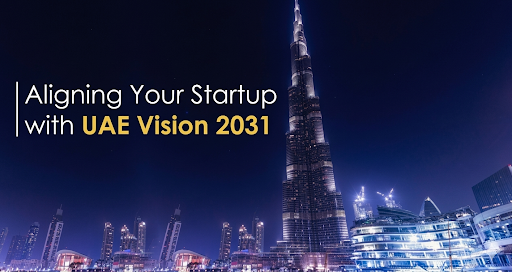
Spend five minutes looking at the skyline in Dubai or Abu Dhabi and you’ll notice something peculiar: nothing feels accidental. Towers, ports, free zones, fintech hubs—they’re pieces of a very deliberate puzzle.
Vision 2031 pushes that puzzle further.
The idea is simple on paper yet massive in practice: expand the economy beyond traditional sectors, invite new technology, nurture entrepreneurs, and make the UAE one of the world’s most magnetic places to start—and scale—a company.
But here’s where founders trip.
They write business plans like they’re pitching a small local shop. A bakery model. A corner-store mentality. Meanwhile the country around them is thinking in aviation routes, AI corridors, renewable energy grids.
Mismatch.
And investors notice that sort of thing quickly.
That’s why business plan consulting has quietly become one of the most sought-after services among entrepreneurs entering the UAE market. Not because founders lack ambition—but because translating ambition into a document that aligns with national economic direction requires a certain strategic muscle.
Your Business Plan Isn’t Just Paper
Let’s pause here.
A business plan isn’t a polite formality you hand to investors. It’s a navigation instrument.
Imagine boarding a ship with a compass that points in random directions. Technically, you’re moving. Practically, you’re drifting.
A startup plan works the same way.
When it aligns with Vision 2031, three things tend to happen:
- Investors see long-term relevance.
- Government initiatives suddenly make more sense.
- Expansion pathways become clearer.
Without that alignment? You may still launch, but the road gets bumpy.
The Quiet Power of Strategic Positioning
Here’s a question I like asking founders.
Why should the UAE care about your startup?
It’s a blunt question, I know. But it cuts through the fog.
If your company contributes to sectors the country is actively expanding—digital infrastructure, sustainable development, smart cities, real estate innovation—you’re suddenly part of a larger story.
Take the property sector.
Real estate in the UAE isn’t merely about selling apartments with a sea view. It’s tied to urban planning, tourism growth, population expansion, and smart-city infrastructure. A real estate business plan that understands this relationship reads very differently from one that simply lists property listings and commission percentages.
The first plan shows awareness of economic direction.
The second feels… small.
And in a place where skyscrapers seem to appear overnight, thinking small rarely wins.
Vision 2031 Loves Technology (So Should Your Startup)
Walk through any tech conference in Dubai and you’ll hear words like AI, blockchain, smart mobility, digital banking tossed around like confetti.
Some founders roll their eyes. They assume it’s buzzword territory.
Yet behind the noise sits something real: the UAE is investing heavily in technology ecosystems.
So if your startup still operates on a purely traditional model, you might want to ask yourself a slightly uncomfortable question.
Could this business benefit from digital transformation?
Maybe it’s automation inside your operations.
Maybe data analytics guiding customer behavior.
Maybe a platform model instead of a purely physical service.
Your business plan should explore those possibilities—not vaguely, but with genuine curiosity.
A thoughtful business plan consulting process often pushes founders into this exploration. Sometimes the discovery is small. Sometimes it completely reshapes the startup concept.
Both outcomes are valuable.
Communication Matters More Than You Think
Let me wander briefly into a tangent. It’s relevant, I promise.
I’ve seen brilliant startup ideas fall flat because the written proposal looked like it had been assembled during a caffeine-fueled panic. Awkward phrasing. Tangled sentences. Data scattered everywhere.
Investors don’t enjoy decoding documents.
Clarity wins.
That’s partly why content writing agencies in Dubai have carved out a surprising niche within the startup ecosystem. Not merely writing blog posts or website copy—but helping founders articulate ideas in a way that feels sharp, persuasive, and structured.
Think of it this way: a strong business concept deserves equally strong language. Otherwise it’s like presenting a luxury car under flickering fluorescent lights.
Technically visible.
Hardly impressive.
The Real Estate Example: A Sector That Mirrors the Vision
Let’s circle back to property for a moment.
Real estate in the UAE behaves almost like a barometer for economic confidence. New districts rise. Infrastructure expands. Tourism fuels demand for short-term rentals. Remote workers arrive with laptops and long-stay visas.
If your startup touches this sector—development consulting, property management software, investment platforms—your real estate business plan should echo these larger shifts.
Consider questions like:
- How will population growth influence housing demand?
- Are smart-home technologies becoming an expectation rather than a luxury?
- What role will sustainability play in future developments?
These aren’t academic musings. They’re strategic signals.
When a business plan addresses them thoughtfully, it demonstrates awareness of the environment the startup will inhabit.
And awareness builds trust.
Funding Conversations Become Easier
Investors rarely say this outright, but I’ll say it for them.
They prefer startups that understand the national economic narrative.
Why?
Because alignment reduces risk.
If the government is pushing renewable energy, green construction, digital banking, or advanced logistics, companies operating in those spheres naturally attract attention. They sit inside the current rather than paddling against it.
A carefully structured business plan—often refined through business plan consulting—helps founders highlight that alignment without sounding like they’re parroting policy documents.
Subtlety matters here.
Nobody enjoys reading a proposal that feels like a government press release.
Vision 2031 Is Big. Your Startup Can Still Start Small.
Here’s the comforting part.
You don’t need a massive company to align with Vision 2031.
A startup with five employees can still support larger economic objectives through innovation, technology adoption, or smart market positioning.
Think of it like a mosaic.
Each tile is tiny. Yet when thousands come together, the picture becomes enormous.
Your business is one tile.
But place it carefully.
The Practical Step Most Founders Skip
Let’s end with something tangible.
Before finalizing your startup plan, sit down with a simple question sheet:
- Which national economic sectors are expanding rapidly?
- Where does my startup intersect with those sectors?
- Can technology improve my business model?
- Does my written plan communicate these ideas clearly?
If answering those questions feels tricky, that’s usually the moment founders reach out for professional business plan consulting. Not because they lack direction—but because a second strategic mind can sharpen the narrative.
And if that narrative eventually needs polish, experienced content writing agencies in Dubai often step in to shape the document into something investors actually enjoy reading.
Strategy first.
Language second.
Both matter.
The UAE moves quickly. Anyone living here feels it—the construction cranes, the startup incubators, the international investors drifting through networking events with curious eyes.
Vision 2031 isn’t some distant policy document sitting in a government archive. It’s already shaping the economic landscape around you.
Your startup plan should acknowledge that landscape.
Better yet…
It should thrive inside it.
And if your next move involves building or refining a strategic roadmap, the team at buisnessplandubai.ae spends its days doing exactly that—helping founders transform rough ideas into structured plans that speak the language investors and regulators understand.
After all, a startup without direction is just enthusiasm.
A startup aligned with the future?
That’s where things get interesting.