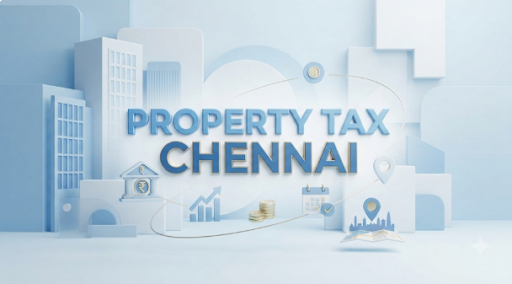
Navigating the property tax landscape in Chennai can often be puzzling, especially with recent changes in notifications and systems. Understanding the process and implications of tax payments, including addressing revised notices and managing excess payments, is crucial for homeowners in the city. This article aims to shed light on the nuances of property tax in Chennai, helping residents pursue a clear and manageable path. Staying updated with property tax chennai procedures and available online services can make the payment process easier for residents.
Understanding property tax in Chennai
Property tax in Chennai is levied by the Chennai Corporation based on a combination of the property’s annual rental value and the type of property—residential or commercial. Each half-yearly bill reflects these calculations and is generally due on April 30 and October 31 each year. In case of any discrepancies, such as revised notices or additional taxes owed, homeowners must be proactive in addressing these updates to avoid penalties.
Furthermore, the revision of property tax, which has recently gained attention, amplifies the need for residents to stay informed. Chennai Corporation issued updated notices that created excitement and confusion alike among property owners, leading many to query about the validity and implications of these changes. It’s advisable to review any correspondence from the Corporation carefully to discern what, if any, adjustments impact your assessment.
Handling revised notices and excess payments
Revised notices can occur for various reasons, including changes in property status or miscalculations in the initially assessed value. Upon receiving a revised notice, homeowners should compare it with the previous assessment. If discrepancies arise, or if an excess payment has been made, the first step is to reach out to the Chennai Corporation’s property tax office or visit its official website for clarification.
The procedure for contesting or clarifying your tax assessment is also straightforward. Citizens can submit online grievances or visit the appropriate office, providing necessary documents such as past bills, property papers, or identification. In recent office visits, residents have found that the Corporation provides assistance for disputes and offers explanations regarding tax standards, making resolution more accessible.
Homeowners also need to be conscious of making excess payments. In cases where payment exceeds the amount due, the Chennai Corporation has a system in place to process refunds or apply excess funds to future bills. Keep a record of all payments and notices, as this documentation is critical in such scenarios. Awareness of your payment history will not only help in rectifying overpayments but also in anticipating future charges accurately. Residents managing property tax chennai payments should regularly review their receipts and revised notices to ensure the records remain accurate.
Your half-yearly bill explained
The half-yearly property tax bill in Chennai reflects several components: the annual value of the property, rates determined by the Corporation, and any applicable rebates or penalties. Understanding each line item can alleviate confusion over your total payment due.
For instance, properties in certain locations may receive rebates for prompt payments. This discount incentivises timely payments before the due date. Awareness of these opportunities can lead to savings, making diligent taxpayers feel rewarded for their efforts.
Moreover, the Chennai Metropolitan Water Supply and Sewerage Board (CMWSSB) also engages with property tax assessments. This relationship means that any delays or issues with your property tax can reflect on your water and sewer service payments. Ensuring your property tax is settled helps mitigate the risk of interruption to essential services. Residents can also use chennai metropolitan water supply and sewerage board online payment facilities to conveniently manage their water and sewer-related bills.
Paying through Bajaj Pay
When it comes to settling your property tax in Chennai, using Bajaj Pay, the Bharat Connect payments platform on Bajaj Finserv, offers a hassle-free, zero-fee option. Bajaj Pay supports easy payment through its app and website, providing various modes for transaction completion.
To successfully pay your property tax, follow these steps:
- Log into Bajaj Pay on the app or website.
- Enter your consumer ID based on your property tax bill.
- Verify the amount due as outlined in your bill.
- Complete the transaction using your chosen payment method, like debit/credit card or net banking.
- Receive instant confirmation and save your receipt for future reference.
Additionally, Bajaj Pay promotes customer loyalty by offering rewards on transactions. This value adds an extra layer of benefit to using the platform for essential bill payments like property tax, aligning practicality with potential savings. Using online payment options also helps residents manage chennai metropolitan water supply and sewerage board online payment requirements and maintain convenient access to their payment records.
Conclusion
In summary, understanding the details surrounding property tax payments in Chennai—revised notices, excess payments, and half-yearly bills—can facilitate a smoother tax experience for homeowners. Regular monitoring of correspondence from the Chennai Corporation and prompt action on any anomalies can prevent unnecessary complications. For a fee-free option to pay your property tax, consider using Bajaj Pay, where convenience and efficiency come together for your bill payment needs. Making timely property tax chennai payments and using chennai metropolitan water supply and sewerage board online payment services when required can help residents manage their municipal obligations more efficiently.