Clinical seating has evolved from being a passive furnishing element into an active component of patient care infrastructure. Its influence extends beyond comfort, shaping physiological stability, treatment efficiency, and overall patient tolerance during extended clinical procedures. When individuals remain physically supported without strain, clinical interventions can proceed with greater precision and fewer complications. Stability, therefore, becomes a measurable contributor to therapeutic success rather than a peripheral consideration.
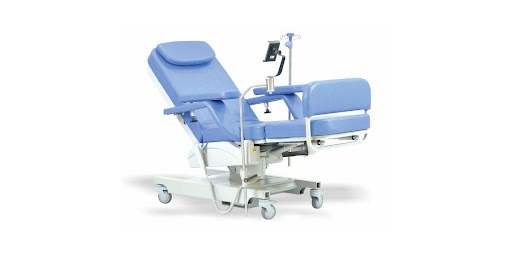
Within treatment environments where immobility is required for hours, seating design determines whether patients experience sustainable comfort or progressive fatigue. Specialized systems such as the Dialysis Recliner Chair illustrate how engineered seating can reduce physiological stress while supporting procedural consistency. These solutions incorporate controlled positioning, structural reliability, and ergonomic alignment to maintain patient equilibrium throughout treatment cycles. Their integration reflects a broader shift toward patient-centered clinical engineering.
The Relationship Between Seating Stability and Clinical Outcomes
Patient stability during treatment directly affects procedural reliability, particularly in environments where uninterrupted positioning is essential. Even subtle shifts in posture can interfere with vascular access, monitoring accuracy, or therapeutic consistency. Seating that prevents involuntary movement allows healthcare professionals to focus on treatment execution without constant positional correction. This operational predictability improves both efficiency and clinical confidence.
At a physiological level, stable seating minimizes muscular strain, reducing involuntary tension and circulatory disruption. When the body remains properly aligned, energy expenditure decreases, allowing patients to tolerate longer sessions with fewer complications. This contributes to smoother treatment progression and reduces fatigue-related instability. The seating system becomes an extension of therapeutic support rather than merely a place to sit.
Engineering Foundations Behind Modern Clinical Recliner Systems
Clinical recliners are engineered with structural precision to ensure consistent support across varying patient weights and treatment durations. Their mechanical integrity ensures smooth transitions between positions without abrupt movement or instability. This predictability protects patients from sudden postural changes that could cause discomfort or compromise clinical procedures. Engineering reliability therefore becomes inseparable from patient safety.
The integration of controlled adjustment mechanisms enhances adaptability across diverse clinical requirements. Healthcare professionals can modify positioning incrementally to maintain ideal therapeutic posture without disrupting the patient’s stability. These refinements ensure that seating responds to clinical needs while preserving physical equilibrium. The result is a synchronized relationship between mechanical performance and patient-centered care.
Structural Frame Integrity
The internal frame of a clinical recliner provides the foundation for long-term stability and operational reliability. High-strength construction materials prevent structural deformation even under repeated use and varied patient loads. This ensures that the seating system maintains consistent support throughout its service life. Structural resilience also contributes to predictable mechanical movement, reinforcing patient confidence during adjustments.
Precision Positioning Controls
Positioning mechanisms allow gradual, controlled adjustments that maintain alignment without sudden displacement. These systems enable clinicians to fine-tune posture in response to procedural requirements or patient comfort needs. Smooth transitions help preserve vascular access stability and reduce muscle tension. This precision ensures that mechanical adjustments complement therapeutic continuity rather than interrupt it.
Surface Material and Infection Control
Clinical seating surfaces are designed with materials that support both comfort and hygiene. Medical-grade upholstery allows easy cleaning while maintaining structural integrity and tactile comfort. These surfaces resist wear, preserving their supportive characteristics over prolonged use. Infection control compatibility ensures that seating contributes to a safe and sterile clinical environment.
Ergonomic Design and Patient Endurance During Long Treatments
Extended treatments require seating systems that maintain comfort without compromising physiological balance. Ergonomic design distributes body weight evenly, preventing pressure concentration that could lead to discomfort or circulation issues. This balanced support enables patients to remain in stable positions for extended periods. Sustained comfort reduces the need for repositioning, which helps preserve treatment continuity.
Ergonomic refinement also supports the natural curvature of the body, preventing muscular strain and postural fatigue. Proper support reduces involuntary movement caused by discomfort or instability. This alignment contributes to more efficient treatment sessions while improving patient tolerance. Ergonomic engineering therefore enhances both clinical performance and patient experience.
Pressure Distribution Science
Balanced pressure distribution prevents localized stress on muscles and soft tissue. This reduces discomfort that might otherwise cause patients to shift position involuntarily. Even weight distribution preserves circulation and supports physiological stability. These benefits allow patients to remain relaxed and still throughout extended procedures.
Postural Alignment and Circulatory Support
Correct postural alignment supports natural blood flow and prevents unnecessary muscular effort. When the body remains properly positioned, circulation remains unobstructed. This reduces fatigue and improves overall treatment tolerance. Postural consistency contributes directly to procedural stability and therapeutic effectiveness.
Psychological Comfort and Compliance
Physical stability influences psychological relaxation, which plays a significant role in treatment tolerance. Patients who feel secure and supported are less likely to experience anxiety or restlessness. This improves cooperation and reduces movement-related disruptions. Psychological reassurance therefore complements physiological stability.
Clinical Application in Dialysis Environments
Dialysis procedures require patients to remain seated for extended durations while maintaining consistent vascular access positioning. Seating systems used in these environments must support immobility without causing physical strain or discomfort. Proper positioning reduces the likelihood of access disruption, ensuring uninterrupted treatment delivery. Stability therefore becomes a functional necessity rather than a comfort preference.
Specialized seating solutions used in dialysis environments incorporate features that support gradual positional adjustments while preserving stability. These systems help maintain circulation and reduce pressure-related discomfort during prolonged sessions. Their design ensures that therapeutic conditions remain consistent from start to finish. Seating becomes a critical structural element supporting treatment continuity.
Final Thoughts on Advancing Patient-Centered Clinical Infrastructure
The evolution of clinical seating reflects a broader commitment to improving patient stability, treatment reliability, and healthcare efficiency. Seating systems are no longer passive furnishings but engineered tools that actively contribute to therapeutic success. Their structural integrity, ergonomic precision, and controlled positioning capabilities support both clinical professionals and patients. This alignment of engineering and healthcare priorities represents a meaningful advancement in clinical infrastructure.
Manufacturers specializing in healthcare seating continue to refine solutions that align with modern clinical expectations. Organizations such as Esthetica Medical Furniture contribute to this advancement by developing seating systems designed for durability, ergonomic stability, and long-term clinical reliability. Their approach reflects the growing recognition that a well-designed Medical Recliner supports not only comfort but also procedural consistency, patient confidence, and overall treatment effectiveness.