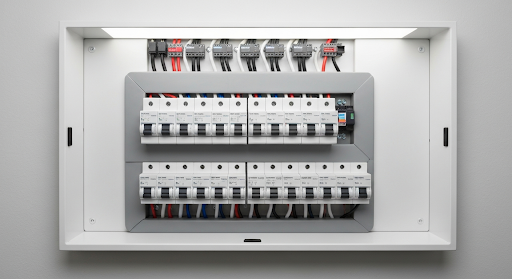
Electrical work is one of those home or business tasks that most people know they should not attempt without proper training. Whether you are dealing with a tripped breaker that keeps returning, planning a kitchen remodel, or upgrading an aging panel, the quality of the electrician you hire matters enormously. For residents and business owners in the region, finding qualified electricians in Orange County means understanding what separates a reliable professional from one who could leave you with bigger problems down the road.
This guide walks through the key factors to consider before, during, and after hiring an electrician — so you can make a well-informed decision.
Why Electrical Work Requires a Licensed Professional
Electrical systems are not forgiving. A wiring mistake that goes undetected can cause a fire weeks or even months after the work is done. That is why California law requires electricians to hold a valid state license issued by the Contractors State License Board (CSLB).
A licensed electrician has passed exams covering electrical codes, safety practices, and installation standards. They are also required to carry liability insurance and, in many cases, workers’ compensation coverage. Hiring someone without these credentials puts both your property and your legal standing at risk.
What Types of Electrical Work Might You Need?
Electrical services cover a wide range of projects. Knowing the category of work you need helps you communicate clearly with potential contractors and get accurate estimates.
Common residential electrical services include:
- Panel upgrades — Older homes often have panels that cannot handle modern electrical loads, especially with EV chargers and high-efficiency appliances.
- Outlet and switch installation — Adding circuits, GFCI outlets in bathrooms and kitchens, or USB-integrated outlets.
- Lighting installation — Recessed lighting, ceiling fans, outdoor security lighting, and landscape lighting.
- Whole-home rewiring — Necessary when older wiring materials like aluminum or knob-and-tube are present.
- EV charger installation — Level 2 chargers require a dedicated 240V circuit and proper permitting.
- Surge protection — Whole-home surge protectors guard against voltage spikes that can damage electronics and appliances.
Commercial electrical needs often involve higher voltage systems, three-phase power, and compliance with stricter code requirements. Always confirm that the electrician you hire has experience in the specific type of work you need.
How to Evaluate an Electrician Before Hiring
Once you have a shortlist of candidates, there are several practical steps to vet them properly.
Check their license status. The CSLB website allows you to look up any contractor by name or license number. You can verify that the license is active, check for disciplinary actions, and confirm the classifications they hold.
Ask about permits. Most electrical work in California requires a permit pulled from the local building department. A reputable electrician will handle this process and schedule the required inspections. If a contractor suggests skipping permits to save time or money, that is a significant warning sign.
Request a written estimate. A detailed written estimate should break down labor, materials, and any additional fees. Verbal quotes are easy to dispute later. Getting at least two or three estimates also gives you a realistic sense of market pricing.
Look at reviews carefully. Online reviews on platforms like Google or Yelp can be useful, but pay attention to how the company responds to negative feedback. A contractor who addresses complaints professionally is often more trustworthy than one with only glowing reviews and no critical ones.
Understanding Timelines and Costs
Electrical project timelines vary widely. A simple outlet installation might take a couple of hours, while a full panel upgrade or whole-home rewiring can span several days. Factors that affect cost include the complexity of the job, the age of your existing wiring, permit fees, and material costs.
In Orange County, labor rates for licensed electricians typically reflect the higher cost of living in Southern California. Expecting to pay at the lower end of national averages is usually unrealistic. That said, the cheapest bid is rarely the best choice when safety is involved.
Conclusion
Hiring the right electrician requires more than a quick internet search. It involves checking credentials, understanding the scope of your project, getting written estimates, and asking the right questions before any work begins. Orange County homeowners and business owners who take the time to do this research are far more likely to end up with safe, code-compliant electrical work that holds up over time. Taking shortcuts in this process rarely saves money — it usually costs more in the long run.