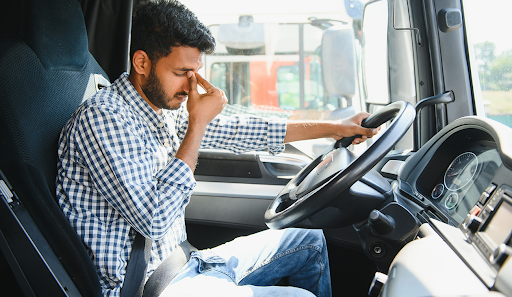
Delivery work often runs on tight schedules. Customers expect goods to arrive quickly, businesses promise short delivery windows, and drivers try to meet those expectations while navigating traffic, road restrictions, and changing weather conditions. The pressure to complete deliveries on time may seem like a routine part of the job, yet it can influence driving behaviour in ways that increase safety risks.
Time pressure changes how decisions are made behind the wheel. When drivers feel responsible for meeting strict delivery deadlines, they may begin to prioritise speed over caution. Small adjustments to driving habits can appear harmless in the moment, but over time they can increase the likelihood of accidents.
One of the most noticeable changes involves speed management. Drivers under time pressure may accelerate more aggressively or travel slightly faster than usual in an effort to recover lost minutes. These actions reduce the margin for reacting to unexpected situations such as sudden traffic stops, pedestrians crossing the road, or vehicles changing lanes.
Braking behaviour can also change. When drivers are focused on keeping to a schedule, they may follow vehicles more closely than they normally would. Shorter following distances reduce the time available to react if traffic slows suddenly. Even experienced drivers can find themselves braking harder than intended when traffic conditions change unexpectedly.
Route decisions may also be affected. Drivers attempting to make up time might choose unfamiliar shortcuts or narrow streets that appear faster on navigation systems. These routes can introduce new hazards such as tight turns, restricted visibility, or areas with heavy pedestrian activity. When drivers are unfamiliar with the surroundings, the chances of sudden manoeuvres increase.
Frequent stopping adds another layer of complexity to delivery work. Drivers may need to park in busy areas, unload goods quickly, and return to the road within minutes. When schedules are tight, these stops can feel rushed. A driver may pull into traffic more quickly than usual or park in spaces that provide less room for safe manoeuvring.
Fatigue can also become a factor when drivers attempt to maintain demanding delivery schedules throughout the day. Extended driving hours combined with the mental effort of navigating traffic and managing deadlines can gradually reduce concentration. When attention begins to fade, reaction times slow and decision-making becomes less precise.
These operational pressures are one reason specialised insurance cover exists for drivers who transport goods or passengers in exchange for payment. Hire & reward insurance applies to vehicles used for carrying goods or people as part of a commercial service where payment is involved. This type of policy recognises that drivers working under delivery schedules or service commitments spend extended periods on the road and face different risks compared with private motorists.
Hire & reward insurance can provide protection when incidents occur while the vehicle is being used for commercial delivery activity. The policy structure reflects the realities of professional driving, where vehicles operate frequently and interact with traffic conditions throughout the working day.
Even with insurance in place, managing delivery pressure remains important for safety. Drivers who plan routes carefully, allow realistic travel times, and take short breaks during long shifts can reduce the effects of time pressure. Communication with dispatchers or clients when delays occur also helps prevent the need to rush.
Businesses that depend on delivery services benefit from recognising how scheduling decisions influence driver behaviour. When delivery windows are realistic and drivers feel supported rather than rushed, they are more likely to maintain steady driving habits that prioritise safety.
Delivery work will always involve time constraints, but understanding how those constraints influence driving decisions helps drivers and businesses manage risk more effectively. Safe delivery operations depend not only on reaching the destination but also on ensuring that every journey on the road remains controlled and responsible.