Pakistan’s freelance economy has grown into a genuinely significant force, consistently producing freelance talent that competes at the highest level internationally. Software developers, graphic designers, content writers, and digital marketers based in Karachi, Lahore, and other cities that international clients have increasingly come to rely on are well established on platforms such as Upwork and Fiverr. Their work is compensated in dollars, typically through Payoneer or direct bank transfers, leaving them with a question: what to do with foreign currency holdings when the rupee continues to depreciate.
A growing number have arrived at an answer that involves FX trading, not to replace freelance income but as a component of the financial thinking that dollar earnings naturally produce. Anyone who has been converting dollars to rupees while monitoring the exchange rate has already taken the first cognitive step toward currency market participation. The gap between monitoring an exchange rate and trading on a view of where it will move is smaller than it might appear, and freelancers are already fluent with digital platforms, removing much of the friction that slows adoption among other demographics.
Intuitive risk calibration is more common in this group than formal training might suggest. Freelancers who have spread their income across multiple clients and platforms have practiced diversification without necessarily using the term. The same logic applied to trading, sizing positions relative to overall income and treating trading as one component of a broader financial plan rather than a primary income source, fits this group’s existing mindset considerably well.
For many freelancers, dollar retention is the practical concern at the center of real life FX trading. Given the rupee’s trajectory over recent years, converting dollar earnings immediately upon receipt has become a deliberate choice rather than an automatic one. Maintaining dollar-denominated exposure while deploying a portion of those earnings through a brokerage account preserves the currency advantage freelancers have worked to build. The concept is not complicated, and it resonates naturally with those already accustomed to operating across currencies as part of their regular work.
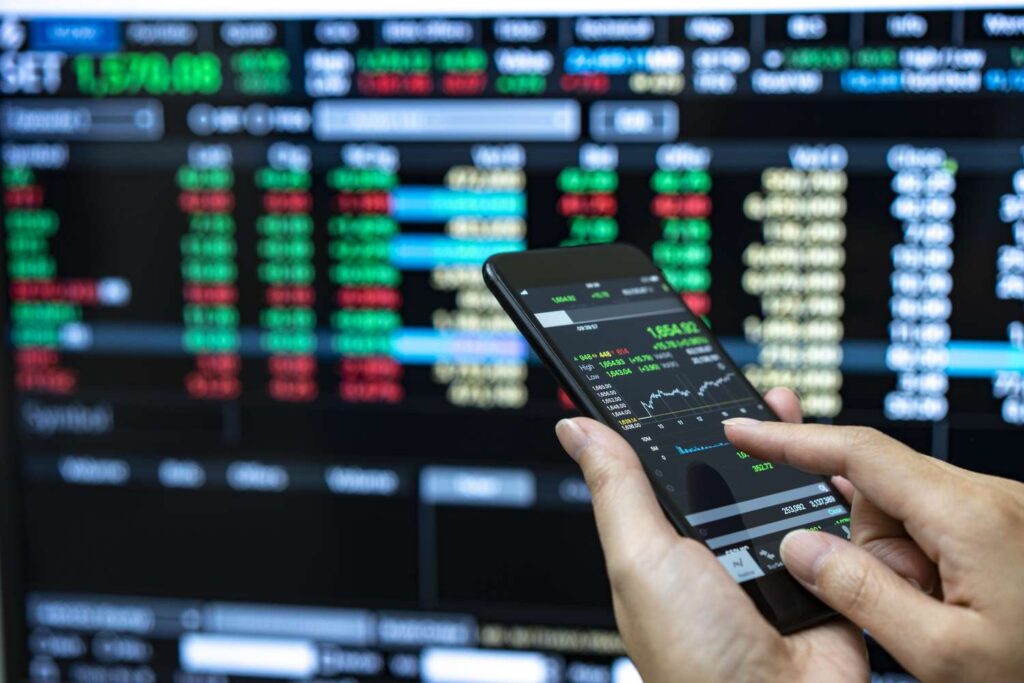
The broker infrastructure serving Pakistani clients has made execution considerably more straightforward. MetaTrader 5 accounts funded through Payoneer-compatible payment options or, increasingly, cryptocurrency gateways, allow freelancers to move earnings into their trading account and withdraw returns without the procedural barriers that made such transfers impractical a decade ago. For a population already comfortable managing money across borders, the remaining friction is largely a matter of broker selection rather than structural impossibility. The path from receiving a client payment to placing a trade has shortened from days to hours.
One characteristic that distinguishes freelancers from more traditional investor profiles is their familiarity with income volatility and their absence of a fixed-salary mindset. Those who have spent years managing irregular income, chasing invoices, and building reserves to cover slow periods have developed a relationship with uncertainty that translates naturally to trading psychology. That does not make losses easy to absorb or risk management instinctive, but it does mean the psychological foundation for market participation is more likely to be in place before the first trade is made.