In a world filled with constant notifications, deadlines, and distractions, finding a quiet moment can feel like a luxury. Yet sometimes, all it takes is a gentle sound to help the mind slow down. A prayer bowl can become a simple but meaningful part of your meditation routine, creating a peaceful atmosphere and helping you focus on the present moment. Learning Tibetan prayer bowl how to use techniques can make this traditional instrument a valuable companion for meditation, mindfulness, yoga, and everyday relaxation.
Beyond its soothing sound, a prayer bowl can help create a dedicated space for mindfulness. Whether you are new to meditation or already have an established practice, learning how to incorporate this traditional Himalayan instrument can make your sessions feel more intentional. From the first gentle strike to the final fading vibration, each sound offers an opportunity to pause, breathe, and reconnect with the present moment.
Understanding the Tibetan Prayer Bowl
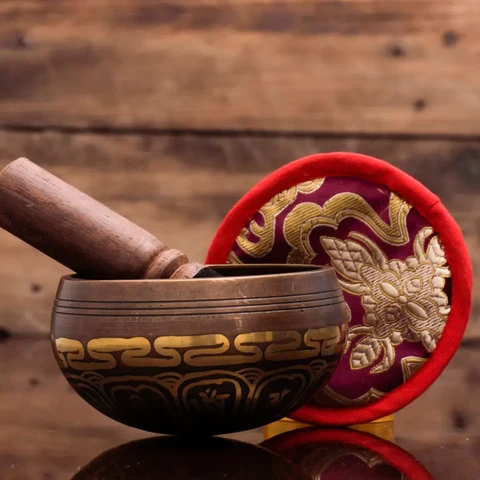
Tibetan prayer bowls, often associated with Himalayan spiritual traditions, are valued for their rich tones, handcrafted character, and connection to meditation practices. They are generally made from metal alloys and played with a wooden or padded mallet. When struck or gently rubbed around the rim, the bowl produces vibrations that can create a sustained, resonant sound. The purpose is not simply to create beautiful music. For many practitioners, the sound provides an auditory point of focus. Instead of allowing thoughts to move constantly from one subject to another, you can concentrate on the tone as it rises, continues, and gradually fades.
Preparing Your Space for Meditation
Before using the bowl, prepare a space where you can sit comfortably without unnecessary interruptions. You do not need an elaborate meditation room. A quiet corner, a cushion, and a few minutes of uninterrupted time can be enough. Place the bowl on a stable, flat surface or hold it carefully in your non-dominant hand if its size and weight allow. Keep your shoulders relaxed and sit with your back comfortably upright. Take several slow breaths before producing the first sound.
How to Strike the Bowl Correctly
The simplest technique is to gently strike the outer side of the bowl with the mallet. Hold the mallet comfortably without gripping it too tightly. A controlled, moderate tap is usually better than a forceful strike. Allow the sound to spread naturally through the space. Listen carefully as the tone begins, becomes fuller, and eventually fades. Rather than immediately striking the bowl again, leave a small gap between sounds.
During this pause, bring your attention to your breathing. Notice the sensation of inhaling and exhaling while remaining aware of the remaining vibration. If your attention wanders, gently return it to the sound. With practice, this technique can become a simple way to begin or end a meditation session.
Using the Rim-Rubbing Technique
Another popular method involves moving the mallet around the outer rim of the bowl. This technique can create a continuous, singing-like tone, although it may require some practice. Hold the bowl steadily and place the mallet against the outside rim at a slight angle. Start slowly. If the sound stops or becomes uneven, adjust your pressure and speed rather than trying to move faster. Once you find the right rhythm, the bowl may produce a sustained tone that becomes a useful focus during meditation. Many people incorporate Tibetan singing bowls into sound meditation because their prolonged tones can provide an easy auditory anchor. The goal, however, is not to achieve a particular sound immediately. Developing a calm and consistent technique is more important.
Creating a Mindful Meditation Routine
Consistency matters more than duration. You do not need to meditate for an hour to benefit from a calming routine. Start with five to ten minutes and gradually increase the time if it feels comfortable.
Try following a simple sequence:
- Sit comfortably and relax your body.
- Take several slow, natural breaths.
- Gently strike the bowl.
- Focus on the sound as it travels and fades.
- Return your attention to your breathing when thoughts arise.
- Repeat the sound when you need to refresh your focus.
- End with a quiet pause before getting up.
The important point is to avoid treating meditation as another task to complete. Give yourself permission to slow down and simply observe the experience.
Choosing and Caring for Your Bowl
Selecting the right bowl depends on your intended use, preferred sound, size, and craftsmanship. A bowl should feel comfortable to handle and produce a tone that you personally find pleasant and calming. If possible, listen to the bowl before purchasing it. Different bowls can produce different tones, and personal preference plays an important role. For meditation spaces, consider whether the bowl’s size and sound are appropriate for the environment.
Proper care is equally important. Keep the bowl clean and dry, and store it somewhere safe when it is not being used. Avoid dropping it or exposing it unnecessarily to harsh conditions. If the bowl comes with a suitable cushion or protective storage option, using it can help prevent accidental damage. Handcrafted bowls may have minor variations in texture or finish.
Conclusion
Using a prayer bowl for meditation is a simple practice that combines sound, attention, breathing, and mindful awareness. With gentle striking, controlled rim-rubbing, and consistent practice, beginners can gradually develop a routine that supports relaxation and inner calm. The experience can become even more meaningful when the bowl is chosen for its craftsmanship, sound, and connection to Himalayan traditions.
For those who appreciate handcrafted Himalayan products, Best Himalaya brings together traditional artistry and contemporary quality standards across its range of meditation and handmade creations. Their collection reflects an appreciation for skilled craftsmanship, responsible production, and authentic cultural design, making their products suitable for people and businesses seeking meaningful Himalayan goods. Alongside meditation products, their handcrafted collections also include items such as handmade felt cat cave designs, demonstrating how traditional materials and artisan skills can extend into practical modern products. Ultimately, the beauty of a prayer bowl lies not only in its sound but in the moment of stillness it creates. When used with patience and awareness, it can turn a few quiet minutes into a valuable daily ritual.