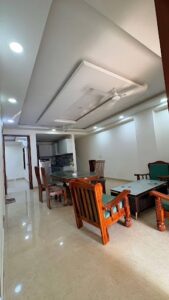
Touring a condo before making an offer is exciting. The layout feels right, the finishes look fresh, and it’s easy to picture your own furniture in the space. But a visual walkthrough only tells part of the story, and buyers who rely on it alone often end up learning about serious problems only after they’ve already signed the paperwork. This is one of the reasons professionals offering home inspection Los Angeles services stress how different a proper inspection is from simply looking around a unit.
Why a Walkthrough Alone Isn’t Enough
A visual walkthrough shows you what’s on the surface. Paint, flooring, fixtures, and general layout are all things you can evaluate with your own eyes in a matter of minutes. What you can’t see are the systems working behind the walls, under the floors, and above the ceiling, which are exactly the areas most likely to cause expensive problems down the road.
Sellers and agents also have an incentive to present a unit in its best possible light. Staging, fresh paint, and strategic lighting can all make a space look move in ready while masking issues that a trained inspector would catch immediately.
Hidden Moisture and Mold Problems
One of the biggest risks of skipping a proper inspection is missing early signs of moisture intrusion or mold growth. A fresh coat of paint can easily hide small water stains or discoloration that would otherwise be a warning sign. Mold often grows in places that aren’t visible during a casual walkthrough, such as behind bathroom tiles, under flooring, or inside HVAC ductwork.
This kind of hidden issue is similar to what specialists offering mold inspection Chicago services often find in older buildings with a history of humidity problems. Even in a condo that looks spotless, moisture trapped behind walls or under flooring can lead to a mold problem that only becomes obvious once it’s spread significantly, at which point remediation becomes far more expensive than it would have been if caught early.
Electrical and Plumbing Issues That Aren’t Visible
Outdated wiring, undersized electrical panels, and plumbing problems are almost impossible to spot during a simple walkthrough. A unit might have working outlets and functioning faucets during a showing, but that doesn’t rule out issues like insufficient electrical capacity for modern appliances or aging pipes that are close to failing.
These kinds of problems often don’t reveal themselves until a buyer has already moved in and started using the space normally, at which point discovering a major electrical or plumbing issue becomes a stressful and expensive surprise rather than something that could have been negotiated before closing.
Structural Concerns Hidden Behind Finishes
Cracks in walls or ceilings can sometimes be cosmetic, but they can also be signs of deeper structural movement. A quick visual check during a showing isn’t enough to tell the difference, and a fresh coat of paint or decorative trim can easily cover up warning signs that a trained eye would recognize immediately.
In condo buildings specifically, structural issues can also stem from problems in shared areas of the building, which a buyer touring only their own unit would have no way of knowing about without asking the right questions or bringing in a professional.
HVAC and Ventilation Problems
A unit can feel comfortable during a brief showing without revealing whether the HVAC system is actually functioning efficiently. Systems that are undersized, poorly maintained, or approaching the end of their useful life often work fine for short bursts but struggle under regular daily use. Poor ventilation, in particular, can contribute to moisture buildup over time, creating conditions that support mold growth even in units that seem perfectly dry during a walkthrough.
Why Professional Inspections Catch What Walkthroughs Miss
A trained inspector uses tools and knowledge that go far beyond what a buyer can assess on their own. Moisture meters can detect dampness behind walls that isn’t visible to the eye. Thermal imaging can reveal insulation gaps or hidden leaks. A careful review of electrical panels and plumbing fixtures can catch outdated or unsafe conditions that would never come up during a casual tour.
Steps Buyers Can Take to Avoid This Mistake
A few simple habits can help buyers avoid relying too heavily on a visual impression alone.
- Always schedule a professional inspection, even for units that look completely move in ready.
- Ask specifically about moisture history, past leaks, or any mold remediation the unit or building has undergone.
- Request access to shared building systems and past maintenance records when possible.
- Don’t let a tight timeline or competitive offer situation pressure you into skipping this step.
The Bottom Line
A visual walkthrough can tell you whether you like a space, but it can’t tell you whether that space is structurally sound, properly wired, or free of hidden moisture problems. Relying on appearances alone puts buyers at real risk of inheriting expensive surprises shortly after closing. A thorough professional inspection remains the best way to know what you’re actually buying, well beyond what a quick tour can reveal.