Busy activity spaces rarely stay predictable for long. One moment, a child is practising a jump. Next, a coach is setting up a drill, a group is moving across the floor, and someone is learning how to land with better control. In places where movement is fast, repeated, and sometimes messy, the surface around the activity matters more than many people first realise.
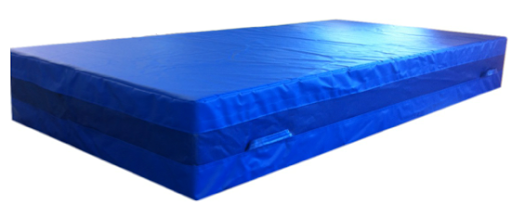
Crash mats are often seen as simple pieces of foam, but their role is more serious than that. They help reduce the force of landings, support practice, and give users more confidence when learning skills that involve height, speed, or balance. This is why quality matters. A mat that looks thick is not always the same as a mat that performs well under pressure.
The first thing to consider is the type of activity taking place. A school gym, gymnastics club, martial arts area, or play centre may all need impact protection, but not in the same way. A mat used for light movement games may not suit repeated jumping or tumbling. A mat used for controlled training may need to stay firm enough for stability, while still soft enough to absorb impact. Choosing only by size or price can lead to poor fit for the space.
Foam density is another important detail. Soft foam can feel comfortable at first, but if it sinks too much, it may not give proper support. Very firm foam can help with control, but it may not absorb landings as well as expected. A good product balances both needs. It should cushion the body while helping the user recover safely after contact with the surface.
The outer cover also deserves attention. In active spaces, mats are dragged, folded, stepped on, cleaned, and stored many times. Weak covers can split at the seams or become hard to wipe down. A strong, easy-clean surface is useful in shared settings where hygiene and durability both matter. Stitching, handles, zips, and corner strength can affect how long the mat stays useful.
Size should be based on real movement, not just the empty floor area. People do not always land in the centre. They may travel sideways, rotate, or lose balance. This is especially true when skills are being learned. A slightly larger protection zone can make practice feel calmer and better controlled. It also gives coaches and supervisors more room to manage activities safely.
Storage is often forgotten until the mats arrive. Large mats may protect well, but they need space when not in use. Folding designs can help smaller venues, while lighter models may be easier for staff to move. However, lighter should not mean weak. The goal is to find something practical without giving up the protection needed for the activity. This matters even more in venues where one room serves several different groups each week.
Good placement also changes how well Crash mats perform. They should sit flat, stay clear of trip points, and be used where landing or falling is most likely. In some spaces, they work best alongside other safety features, such as wall protection, floor mats, or supervised landing zones. A mat should never become a substitute for good instruction, but it can support safer practice when used correctly.
There is also a confidence benefit. When people feel that the space is prepared, they often move with less fear. This does not mean they should take careless risks. It means they can focus on learning the skill instead of worrying about every landing. For beginners, that feeling can make a real difference.
Quality Crash mats are worth considering because they protect more than the body. They protect the flow of training, the confidence of users, and the long-term value of the space. A well-chosen mat is not just something placed under a landing. It is part of a safer, better-planned activity environment.