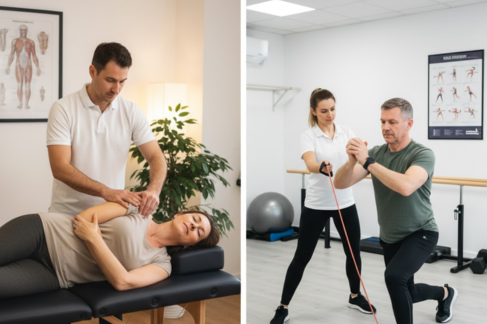
When it comes to managing musculoskeletal issues, chronic pain, or recovering from an injury, residents of East Gwillimbury have several options to improve their physical health. Two popular choices are osteopathy and physiotherapy. Both focus on restoring and maintaining mobility, but they approach treatment differently. Understanding these differences can help you choose the best option for your needs.
Understanding Osteopathy
Osteopathy is a holistic approach to healthcare that emphasizes the musculoskeletal system, including bones, muscles, and joints. Osteopaths use manual techniques to diagnose, treat, and prevent conditions by improving overall body function. The core principle of osteopathy is that the body can heal itself when the musculoskeletal system is in proper alignment.
Osteopath treatment often involves hands-on manipulation, stretching, and massage. Osteopaths also provide advice on posture, movement, and lifestyle choices to support long-term health. Osteopathy is not just about alleviating pain; it focuses on promoting balance and preventing future issues.
Common Conditions Treated by Osteopaths
In East Gwillimbury, osteopaths commonly treat:
- Back, neck, and shoulder pain
- Joint stiffness and limited mobility
- Sports-related injuries
- Postural imbalances
- Headaches linked to muscle tension
- Chronic stress-related musculoskeletal discomfort
Osteopathy considers the body as an interconnected system, addressing the root causes of discomfort rather than only the symptoms.
Understanding Physiotherapy
Physiotherapy, or physical therapy, focuses on restoring movement and function when someone is affected by injury, illness, or disability. Physiotherapists use evidence-based techniques to improve mobility, strength, and overall physical function.
Treatment may include exercise therapy, manual therapy, electrical stimulation, and education on proper movement. Physiotherapy typically follows a structured rehabilitation plan tailored to an individual’s specific needs, making it particularly effective after surgery, accidents, or acute injuries.
Common Conditions Treated by Physiotherapists
In East Gwillimbury, physiotherapists often manage:
- Sports injuries such as sprains or strains
- Post-surgical rehabilitation
- Arthritis or joint disorders
- Neurological conditions like stroke or Parkinson’s disease
- Chronic pain management
- Balance and coordination issues
Physiotherapy emphasizes restoring function and preventing recurrence through targeted exercises, movement retraining, and patient education.
Key Differences Between Osteopathy and Physiotherapy
While both osteopathy and physiotherapy aim to improve musculoskeletal health, they differ in approach and treatment style:
1. Treatment Philosophy
- Osteopathy: Holistic; considers the entire body and its interconnected systems.
- Physiotherapy: Evidence-based and goal-oriented; focuses on restoring specific functions and mobility.
2. Techniques Used
- Osteopathy: Hands-on manipulation, joint mobilization, soft tissue massage, and stretching.
- Physiotherapy: Exercise programs, manual therapy, electrotherapy, ultrasound, and hydrotherapy.
3. Scope of Practice
- Osteopathy: Treats a wide range of musculoskeletal and systemic issues; emphasizes long-term wellness and prevention.
- Physiotherapy: Focuses on rehabilitation and functional recovery; often used post-injury or surgery.
4. Approach to Pain Management
- Osteopathy: Corrects structural imbalances and improves body function to relieve pain.
- Physiotherapy: Combines therapeutic techniques and exercises to alleviate pain while restoring movement.
When to Choose Osteopathy
Osteopathy may be ideal for residents of East Gwillimbury who:
- Prefer a holistic, whole-body approach
- Have chronic or recurrent musculoskeletal issues
- Want preventive care alongside treatment
- Benefit from manual therapy and lifestyle guidance
Osteopathy is particularly suitable for those seeking long-term wellness strategies rather than only short-term relief.
When to Choose Physiotherapy
Physiotherapy is often the better choice if you:
- Are recovering from surgery or a significant injury
- Require rehabilitation to restore specific functions
- Have sports injuries needing targeted exercise therapy
- Need a structured, evidence-based plan for mobility and strength improvement
Physiotherapy is especially effective for measurable recovery and functional improvement.
Can You Use Both?
In many cases, osteopathy and physiotherapy complement each other. For example, osteopathy can help correct structural imbalances contributing to pain, while physiotherapy can guide exercises that strengthen and rehabilitate the affected areas. Using both approaches can provide a well-rounded solution, particularly for chronic or complex conditions.
Conclusion
For residents of East Gwillimbury, choosing between osteopathy and physiotherapy depends on personal health goals, the type of condition, and treatment preferences. Osteopathy provides a holistic, preventive approach that focuses on the body’s interconnected systems, while physiotherapy offers targeted, evidence-based methods for functional recovery and rehabilitation.
Understanding these differences allows you to make an informed decision and pursue the most effective care for your musculoskeletal health. Whether you opt for osteopathy, physiotherapy, or a combination of both, prioritizing your physical well-being is an important step toward a healthier, more active lifestyle in East Gwillimbury.