Gynaecological concerns can change at different stages of a woman’s life. Irregular periods may need attention in one phase, while fertility concerns, pregnancy care or menopause-related symptoms may become more relevant later. Having access to specialised care nearby makes it easier to discuss these changes and have them properly assessed.
Women in Yeleswaram and surrounding areas often need access to a well-equipped hospital in Kakinada, especially when a health concern requires specialist evaluation, diagnostic testing, or surgical treatment. Such a facility should combine experienced gynaecologists, the right diagnostic infrastructure and treatment options tailored to each patient’s needs.
Gynaecology Care For Different Needs
A gynaecologist can help with concerns ranging from menstrual problems and hormonal changes to conditions affecting the uterus and ovaries. Some symptoms may be temporary, while others can point to a condition that needs further investigation.
Common concerns that may require specialist attention include:
- Menstrual disorders and irregular periods
- Polycystic Ovary Syndrome (PCOS)
- Fibroids and ovarian cysts
- Endometriosis
- Infertility
- Pelvic inflammatory disease
- Urinary tract infections
- High-risk pregnancy
- Cervical and uterine disorders
Treatment depends on the condition, its severity and the patient’s overall health. In some cases, medication and monitoring may be sufficient. Other situations may require further investigations or a surgical procedure.
When Should You See A Gynaecologist?
It is easy to put off a consultation when a symptom seems manageable. Persistent pelvic pain, unusually heavy bleeding or repeated changes in the menstrual cycle, however, deserve proper attention.
A consultation may be worth considering if you experience:
- Periods that become unusually irregular or painful
- Bleeding that is heavier or lasts longer than usual
- Persistent pelvic pain or discomfort
- Pain during intercourse
- Difficulty conceiving
- Unusual vaginal discharge
- Symptoms associated with menopause
- Concerns during pregnancy
These symptoms can have several possible causes. A proper consultation helps determine what may be behind them and whether further testing is needed.
Diagnosis Helps Shape Treatment
Gynaecological treatment starts with identifying what is causing the problem. A doctor may consider your symptoms, medical history and examination before recommending specific investigations.
Depending on the concern, these may include:
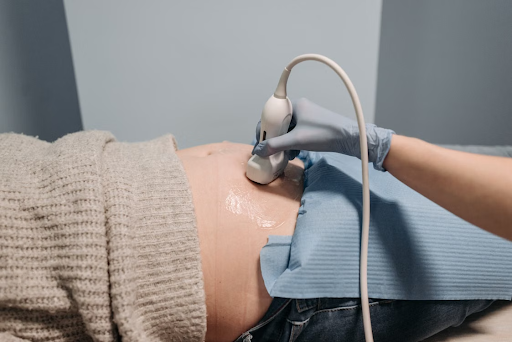
- Pelvic ultrasound
- Hormone testing
- Pap smear
- Blood tests
- Reproductive health screening
- Colposcopy
Advanced technologies such as 3D and 4D ultrasound, fetal monitoring systems and other diagnostic tools can also support women’s health assessments and pregnancy care when clinically appropriate.
Understanding Surgical Treatment Options
Not every gynaecological condition requires surgery. When a procedure is recommended, the decision depends on the diagnosis, symptoms, medical history and individual treatment needs.
Some procedures used in gynaecological care include:
- Laparoscopic gynaecological surgery: Minimally invasive surgery used to diagnose and treat selected conditions.
- Hysterectomy: Surgical removal of the uterus for certain uterine conditions.
- Myomectomy: Removal of fibroids while preserving the uterus where clinically appropriate.
- Endometriosis surgery: Removal of endometrial tissue to address symptoms caused by endometriosis.
- C-section delivery: Surgical delivery when vaginal childbirth is not suitable.
Minimally invasive techniques may be considered for suitable patients and can involve smaller incisions and a shorter hospital stay, depending on the procedure and individual circumstances.
Choosing Specialist Care Near Yeleswaram
When choosing the best hospital in Yeleswaram, proximity shouldn’t be the only factor people weigh. Just as important are specialist gynaecologists on hand, dependable diagnostic services, strong surgical expertise, and well-coordinated care across departments.
A good healthcare facility should also make it comfortable for women to discuss concerns that may feel difficult to bring up. Confidential consultations, clear explanations and an individualised treatment plan can make a real difference to the care experience.
When specialised gynaecological services are close to home, women in Yeleswaram are more likely to seek early consultations and keep up with follow-up care. Addressing a single symptom in isolation is rarely what women’s health is about. Instead, it calls for understanding the changes taking place, investigating them properly, and choosing care suited to the individual’s needs.