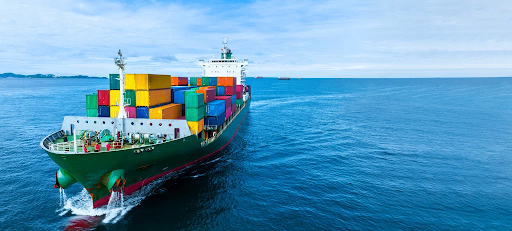
India’s rise as a global trade hub is no accident. It is driven by strategic infrastructure, expanding ports, and reliable transportation networks that connect businesses to international markets. At the center of this transformation is ocean logistics in India, which enables the movement of massive volumes of goods efficiently and affordably. From industrial machinery to consumer products, maritime transport supports industries that depend on dependable global connections.
As businesses continue to expand their reach, efficient maritime transport has become a critical factor in maintaining competitiveness and ensuring long-term growth.
The Backbone of India’s International Commerce
India’s geographic location gives it a strategic advantage in global shipping routes. With access to major sea lanes, Indian ports serve as key gateways for exports and imports. This allows businesses to connect with markets in Asia, Europe, Africa, and the Americas.
Maritime transport handles a significant portion of India’s international cargo. Its ability to carry bulk goods, heavy equipment, and large shipments makes it essential for industries such as manufacturing, agriculture, and retail.
An experienced shipping company plays a vital role in managing these complex operations, ensuring goods move safely and efficiently across global waters.
Supporting Industrial and Manufacturing Growth
India’s manufacturing sector depends heavily on maritime logistics to source raw materials and export finished goods. Industries such as automotive, textiles, pharmaceuticals, and electronics rely on efficient shipping networks to maintain steady production and delivery schedules.
Without reliable maritime transport, supply chains would face disruptions, leading to production delays and increased costs. Efficient shipping ensures that materials arrive on time and finished products reach customers without unnecessary delays. This reliability supports industrial growth and strengthens India’s position in global manufacturing.
Enabling Cost-Effective Transportation
One of the biggest advantages of maritime transport is cost efficiency. Compared to other modes of transport, shipping large volumes by sea is significantly more affordable. This allows businesses to transport goods in bulk while keeping operational costs under control.
Efficient ocean logistics in India enables companies to optimize shipping routes, consolidate cargo, and reduce unnecessary expenses. These cost savings help businesses remain competitive in both domestic and international markets.
Affordable transportation also allows smaller businesses to participate in global trade, opening new opportunities for growth.
Connecting Businesses to Global Markets
Access to international markets is essential for business expansion. Maritime logistics provides the infrastructure needed to reach customers worldwide.
Exporters can deliver products to distant markets, while importers can source materials and goods from global suppliers. This connectivity strengthens trade relationships and supports economic growth.
A reliable shipping company ensures that shipments follow proper routes, comply with international regulations, and reach destinations on schedule. This level of coordination is essential for maintaining smooth global trade operations.
Improving Supply Chain Stability
Supply chain stability is crucial for business success. Disruptions in transportation can lead to delays, increased costs, and lost opportunities.
Maritime logistics provides predictable schedules and reliable delivery timelines. This allows businesses to plan production, manage inventory, and meet customer expectations more effectively.
Professional shipping providers use advanced planning systems and tracking tools to monitor shipments and address potential challenges before they escalate. Stable supply chains improve efficiency and reduce operational risks.
Leveraging Technology for Greater Efficiency
Technology has revolutionized maritime logistics, making shipping operations more transparent and efficient. Digital platforms allow businesses to track shipments, manage documentation, and communicate with logistics providers in real time.
Automation reduces errors and speeds up administrative processes. Businesses can access shipment information instantly, improving decision-making and operational efficiency.
Modern ocean logistics in India integrates technology to provide better visibility and control over cargo movement. These advancements make maritime transport more reliable and easier to manage.
Ensuring Cargo Safety and Protection
Cargo safety is a top priority in maritime logistics. Shipping providers implement strict handling procedures, secure container loading, and protective packaging standards to ensure goods remain safe during transit.
Specialized containers are available for sensitive cargo, including temperature-controlled goods and fragile items. Cargo insurance provides additional protection against unforeseen circumstances.
Reliable shipping partners ensure that goods arrive in the same condition they were shipped, maintaining product quality and customer satisfaction.
Supporting Business Expansion and Scalability
As businesses grow, their shipping needs increase. Maritime logistics provides the scalability needed to support expansion without major disruptions.
Shipping providers offer flexible solutions that accommodate different cargo volumes and delivery requirements. Businesses can scale operations gradually while maintaining efficient transportation. This flexibility allows companies to enter new markets, increase production, and handle larger shipments confidently.
A dependable shipping company ensures that logistics infrastructure supports business growth at every stage.
Promoting Sustainable Trade Practices
Sustainability has become an important focus in global logistics. Maritime transport is adopting eco-friendly practices to reduce environmental impact.
Fuel-efficient vessels, optimized routes, and improved container management help reduce emissions and conserve resources. These practices support sustainable trade while maintaining operational efficiency.
Businesses that adopt sustainable shipping practices demonstrate environmental responsibility and align with global sustainability goals.
Strengthening Economic Development
Maritime logistics contributes significantly to India’s economic development. It supports trade, creates jobs, and enables businesses to expand internationally. Ports, shipping companies, and logistics providers form a network that drives economic activity and supports national growth. Efficient maritime transport allows businesses to compete globally, contributing to economic stability and prosperity. It also strengthens export capabilities, helping Indian products reach new international markets. This continuous flow of goods enhances trade relationships and supports long-term economic progress.
Conclusion
Efficient maritime transport plays a critical role in supporting India’s growing presence in global trade. By providing cost-effective, reliable, and scalable transportation, maritime logistics enables businesses to connect with international markets and maintain strong supply chains. It also helps companies manage inventory more efficiently and respond quickly to changing market demands. As global trade continues to expand, strong maritime logistics will remain essential for sustained business growth and competitiveness.
With the support of experienced logistics providers and modern shipping systems, businesses can navigate complex global trade environments with confidence. Companies like AVR Logistics demonstrate how professional expertise, efficient coordination, and dependable shipping solutions help businesses move forward in an increasingly connected world.