Field marketing teams represent a business directly in front of customers, making every hire an important business decision. These professionals engage with prospects, promote products, gather market insights, and strengthen customer relationships. Recruiting candidates with the right skills and attitude requires a well-planned hiring process rather than filling vacancies quickly. End-to-end recruitment helps employers manage every hiring stage efficiently, resulting in stronger teams, improved employee retention, and better business outcomes.
What Is End-to-End Recruitment?
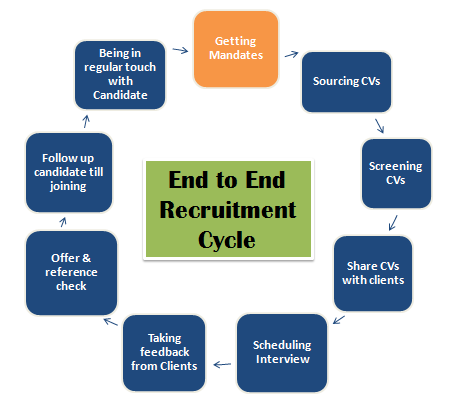
End-to-end recruitment is the complete hiring process, from identifying a hiring need to onboarding a new employee. Rather than focusing on a single stage, it manages every step needed to attract, assess, select, and hire suitable candidates.
The process generally includes workforce planning, preparing job descriptions, sourcing candidates, screening applications, conducting interviews, completing background checks where required, extending job offers, and onboarding new employees. Each stage helps employers make informed and consistent hiring decisions.
By managing the entire recruitment journey, organizations can improve hiring quality, create a better candidate experience, and reduce hiring gaps. A consistent process also helps employers build stronger teams while supporting both immediate workforce requirements and long-term business objectives.
Why Field Marketing Teams Require a Different Hiring Approach
Field marketing roles differ from many office-based positions because employees regularly interact with customers, represent the brand, and work in different locations. Success often depends on communication skills, adaptability, product knowledge, and the ability to respond effectively to changing situations.
Recruiting for these positions can also present unique challenges. Organizations may need to hire for multiple territories, replace employees quickly, or recruit for seasonal campaigns with limited timelines. Evaluating candidates only through resumes may not accurately reflect their ability to perform in customer-facing environments.
A hiring process that evaluates both technical qualifications and interpersonal skills is often more effective for field marketing roles. Taking a consistent approach throughout recruitment also helps organizations identify candidates who are more likely to perform well, adapt to changing work environments, and remain with the company over time.
Why End-to-End Recruitment Matters for Field Marketing Teams
A complete recruitment approach supports better hiring decisions throughout the employee lifecycle. Some of its key advantages include:
- Better Candidate Fit: Evaluating candidates at multiple stages allows employers to assess both job-specific abilities and soft skills. This improves the likelihood of selecting individuals who can succeed in field marketing roles.
- Faster Hiring Decisions: Clearly defined recruitment stages reduce delays between sourcing, interviewing, and onboarding. This helps organizations fill critical positions without unnecessary waiting periods.
- Consistent Hiring Standards: Following the same evaluation process for every candidate promotes fairness and helps hiring teams make decisions based on established criteria instead of personal preferences.
- Improved Candidate Experience: Regular communication, timely updates, and transparent recruitment processes create a positive impression of the organization. Even candidates who are not selected may view the company more favorably.
- Higher Employee Retention: Hiring candidates whose skills, expectations, and career goals align with the role often results in greater job satisfaction and lower turnover rates.
- Improved Workforce Readiness: A well-managed recruitment process, followed by effective onboarding, helps new field marketing employees understand their responsibilities sooner and contribute more confidently from the beginning.
These benefits help field marketing teams build a reliable workforce while reducing the costs and disruptions associated with frequent hiring.
Best Practices for Implementing End-to-End Recruitment in Field Marketing
Organizations can improve recruitment outcomes by following a few practical practices throughout the hiring process. These include:
- Define Job Requirements Clearly: Create accurate job descriptions that outline responsibilities, required skills, travel expectations, and performance expectations before beginning recruitment.
- Assess Relevant Skills: Use interviews, role-play exercises, or practical assessments to evaluate communication, problem-solving, and customer interaction skills alongside professional experience.
- Maintain Consistent Communication: Keep candidates informed about recruitment timelines and next steps. Clear communication helps build trust and reduces candidate drop-offs.
- Standardize Candidate Evaluation: Use consistent interview questions and evaluation criteria for all applicants to support objective hiring decisions and improve fairness.
- Strengthen Onboarding: Provide new employees with the resources, product knowledge, and guidance they need to become productive quickly and adapt to their responsibilities.
Applying these practices can help organizations recruit qualified professionals while supporting long-term team stability and performance.
Conclusion
Field marketing success depends on employees who can confidently represent the organization and build meaningful customer relationships. A hiring process that covers every stage, from workforce planning to onboarding, helps employers select candidates who are better suited for these responsibilities. By improving hiring consistency, candidate experience, employee retention, and workforce readiness, organizations can strengthen their field marketing teams and create a workforce capable of supporting both current business needs and future growth.