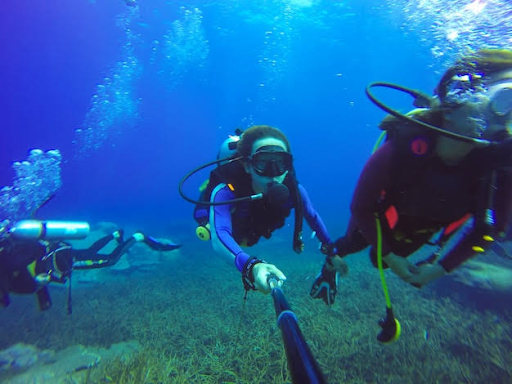
Koh Lipe sits in Thailand’s Andaman Sea, close to the Malaysian border, within the Tarutao National Marine Park. The area has quietly built a reputation among divers for a genuinely wide range of underwater terrain packed into a fairly compact stretch of coastline, from shallow nursery reefs suited to beginners through dramatic pinnacles that draw more experienced divers. Anyone considering a trip here benefits from understanding what makes the diving in this specific corner of Thailand distinct before booking anything. The island itself is small and relatively laid-back compared to some of Thailand’s more developed tourist hubs, which adds to its appeal for divers looking for a quieter base to explore from.
Why the Marine Park Setting Matters
Because the surrounding waters fall within a protected national marine park, koh lipe diving benefits from generally healthier reef systems and more consistent marine life sightings than less protected areas nearby. An entrance fee applies for the park, typically valid for several days, which is worth budgeting for ahead of a trip.
The Range of Dive Sites Available
The area includes over twenty islands and numerous submerged pinnacles, offering everything from calm, shallow reefs ideal for beginners to deeper wall dives and current-swept pinnacles for advanced divers. This range means the destination genuinely suits a wide spectrum of experience levels rather than catering to one type of diver alone.
What Marine Life to Expect
- Soft coral gardens in shades of purple and white at several popular sites.
- Reef fish, nudibranchs, and macro life scattered across shallower reefs.
- Larger pelagic species, including reef sharks and eagle rays, at deeper pinnacles.
- Occasional sightings of whale sharks or manta rays during favorable seasons.
Best Time of Year to Visit
Diving conditions are generally best from November through April, when seas are calmer, visibility improves noticeably, and water temperatures sit in a comfortable range. Outside this window, weather can make some sites less accessible or less pleasant to dive.
Matching Site Selection to Experience Level
Not every site suits every diver. Shallower, more sheltered reefs work well for beginners or those still building confidence, while deeper pinnacles with stronger currents are better reserved for divers with more advanced certification and experience.
What a Typical Dive Day Looks Like
Most dive operations in the area run multi-tank boat trips out to a rotating selection of sites, depending on conditions and group experience level. A typical day usually includes a briefing, equipment check, and surface interval between dives.
Considering Certification Requirements
Some of the more advanced sites require specific certifications or prior logged dives before an operator will take a diver there. Checking these requirements ahead of a trip helps avoid disappointment if a particular site is on a must-see list.
Packing and Preparation Tips
A well-fitted mask, appropriate exposure protection for water temperature, and any personal dive gear preferences are worth sorting out before arrival, since equipment rental availability can vary by season and operator.
Respecting the Marine Environment
Given the protected status of the surrounding waters, following good buoyancy practices and avoiding contact with coral or marine life helps preserve the reef systems that make this destination worth visiting in the first place.
Getting to Koh Lipe
The island is typically reached by speedboat from the mainland or from Langkawi in Malaysia, since there’s no airport directly on Koh Lipe itself. Factoring in this travel time is worth doing when planning an itinerary around a dive trip, since arrival day is rarely a practical day for diving itself.
Choosing Where to Stay
Accommodation options range from simple guesthouses to more upscale beachfront resorts, with many dive operators offering package deals that bundle diving with nearby lodging for added convenience.
Final Thoughts
Diving around Koh Lipe offers a genuinely diverse underwater experience within a protected marine park setting, suited to a wide range of skill levels and interests. Understanding the seasonal timing, site variety, and certification requirements ahead of a trip helps divers make the most of everything this stretch of the Andaman Sea has to offer.