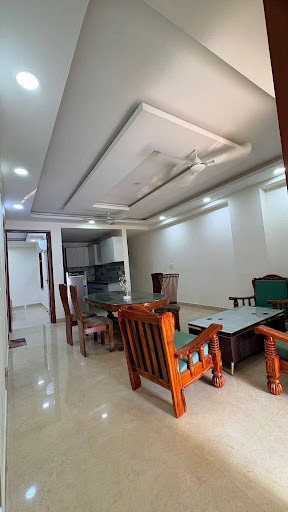
Finding a rental home today involves more than comparing monthly prices. Tenants increasingly consider location, connectivity, amenities, maintenance, security, flexibility, and the overall quality of everyday life before deciding. A rental real estate agent can also be valuable when the market offers many choices across neighborhoods and property types. Professional guidance can simplify property comparisons, help tenants understand rental terms, and make the search more structured. As technology continues changing the property market, renters now have greater access to listings and information, making it easier to explore homes that match their lifestyle, budget, and long-term requirements.
Smarter Rental Choices For Changing Urban Lifestyles
Modern rental decisions increasingly depend on convenience, transparency, property quality, and how well a home fits changing lifestyle requirements.
1. Prioritizing Location And Daily Connectivity
Location remains one of the strongest factors when selecting a rental property. Tenants often consider commuting time, access to public transport, schools, healthcare facilities, shopping areas, workplaces, and entertainment options. A well-connected location can make everyday routines more convenient while reducing travel-related stress. Renters should also consider the surrounding neighborhood, not just the apartment itself. Evaluating nearby infrastructure, road access, local services, and future development can provide a clearer understanding of whether the location will remain suitable throughout the rental period.
2. Comparing Homes Beyond Monthly Rent
Monthly rent matters, but it shouldn’t be the only factor. Tenants should compare maintenance charges, security deposits, utility expenses, parking costs, furnishing, amenities, and other recurring payments. Two apartments with similar rents can have significantly different overall costs depending on these factors. Creating a complete budget before selecting a property helps renters avoid unexpected expenses. It also makes it easier to identify homes that provide better value rather than simply choosing the property with the lowest advertised rental price.
3. Understanding Property Condition Before Moving
A property’s physical condition can significantly influence the rental experience. Prospective tenants should inspect walls, flooring, plumbing, electrical fittings, appliances, windows, doors, ventilation, and bathroom fixtures before signing an agreement. Document existing damage and discuss it with the owner beforehand. Checking the building’s maintenance standards is equally important. A visually attractive apartment may still create problems if repairs are frequently delayed. A careful inspection helps renters understand the property’s actual condition and reduces the chance of disputes after moving in.
4. Using Technology For A More Efficient Search
Digital platforms have made property discovery more convenient by allowing renters to compare multiple homes without visiting every location immediately. Online listings can provide information about photographs, layouts, amenities, rental prices, and neighborhoods. Digital scheduling tools can also make property visits easier to organize. However, renters should still verify key details before committing because online information may not reflect the property’s current condition. Combining digital research with physical inspections creates a more reliable rental-search process.
Technology And Transparency Reshaping Property Discovery
The modern rental market is increasingly influenced by digital tools that make property searches more accessible, organized, and information-driven.
Technology has changed how renters discover and evaluate homes. Instead of depending entirely on traditional property searches, tenants can compare listings, review property details, schedule visits, and communicate about requirements through digital platforms. This shift also creates greater demand for transparency because renters want accurate information before spending time on inspections. A rental real estate agent can complement these digital tools by helping tenants interpret options, understand local rental conditions, and narrow choices based on practical requirements. Combining technology with informed guidance can make the rental journey more efficient and help tenants choose based on property suitability rather than attractive listings alone.
Creating Better Experiences Through Modern Rental Planning
A successful rental journey involves balancing financial considerations with comfort, convenience, safety, and long-term suitability.
1. Matching Homes With Lifestyle Needs
Different renters have different priorities. Professionals may value proximity to workplaces and transport, while families may focus more on schools, open spaces, safety, and community facilities. Students may prioritize affordability and connectivity. Identifying these requirements before searching prevents renters from getting distracted by properties that look appealing but don’t meet their practical needs. A clear priority list helps narrow the market and makes property comparisons more meaningful.
2. Considering Amenities That Add Everyday Value
Modern apartments often provide amenities such as fitness areas, swimming pools, security systems, parking, recreational spaces, power backup, and community facilities. However, renters should consider whether these features genuinely match their lifestyle. Paying a premium for unused amenities may not provide good value. Tenants should compare maintenance costs alongside facilities and determine which services are essential. This approach helps renters choose properties that offer real convenience without unnecessarily increasing monthly housing costs.
3. Evaluating Safety And Building Management
Safety should remain a fundamental consideration when selecting a rental home. Tenants can review entry controls, security personnel, surveillance systems, lighting, emergency plans, and overall building maintenance. The quality of common areas can also indicate how effectively a property is managed. When possible, speaking with current residents can provide useful insight into maintenance responsiveness and community conditions. These checks help renters make decisions based on the broader living environment rather than evaluating only the interior of an individual apartment.
4. Planning For Future Rental Flexibility
Lifestyle and financial circumstances can change during a tenancy. Renters should therefore consider whether the property provides reasonable flexibility if their needs change. Before committing, understand the lease duration, renewal conditions, notice periods, and any relocation requirements. Professionals who may change jobs or cities, for example, may prefer agreements that provide clearer exit conditions. Thinking ahead can prevent unnecessary financial pressure and make the rental arrangement more manageable if circumstances change unexpectedly.
Conclusion: Finding Modern Homes That Fit Better
The modern rental market gives tenants more ways to discover homes that match their budgets, lifestyles, and expectations. Careful comparisons, property inspections, transparent agreements, and technology-supported searches can make the journey more efficient and help renters choose homes with greater confidence.
For people searching for modern apartments near me, Homish offers a property-search experience focused on verified listings, transparent pricing, direct owner connections, and easy property discovery. Its platform is designed to make the rental journey simpler while helping users explore residential options that suit their individual requirements. With a more organized approach to property discovery, renters can move closer to finding a home that offers the right balance of comfort, convenience, and value.