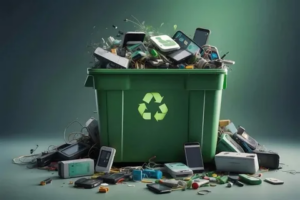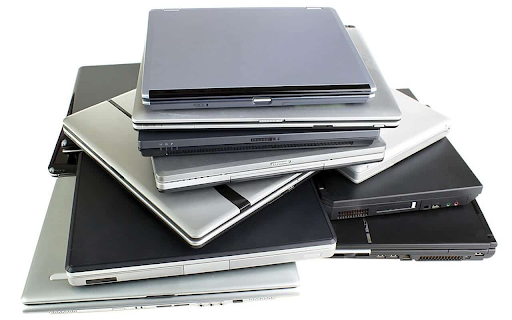
A gaming PC can feel almost impossible to replace. It may have been built around a powerful processor, a dedicated graphics card, generous storage, and components chosen specifically for performance. But as games become more demanding and newer hardware enters the market, even an impressive setup can eventually feel outdated. At that point, finding an It scrap buyer ajman can become part of the process of clearing out old equipment responsibly while giving usable components a chance at a second life.
Why Gaming PCs Have a Different Retirement Story
Unlike ordinary office computers, gaming systems are often assembled with higher-performance components. A single machine may contain a powerful graphics card, upgraded memory, multiple storage drives, cooling systems, specialized power supplies, and other components that were selected for demanding workloads. Even when the complete computer no longer meets a gamer’s expectations, individual parts may still hold practical value.
This makes the retirement of a gaming PC different from simply throwing away an old electronic device. One component may be outdated for modern gaming but perfectly suitable for another type of computing. Another part may have reached the end of its useful life but still contain recyclable materials. Understanding this difference can make the disposal process more thoughtful and potentially more rewarding.
When Upgrading Creates a New Problem
The excitement of building or buying a new gaming setup often makes it easy to overlook what happens to the previous one. A new graphics card may make the old card unnecessary, while a complete platform upgrade can leave the processor, motherboard, memory, and power supply sitting unused. Before long, an old gaming rig can become another forgotten item occupying valuable space.
This is particularly common when upgrades happen gradually. Someone may replace the graphics card first, then the processor, then the motherboard, until only a few original components remain. Instead of treating every replaced component as ordinary waste, owners can assess whether the parts are reusable, recoverable, or suitable for responsible recycling.
What Determines the Value of an Old Gaming PC?
The condition of the hardware is one of the first things that matters. A working computer with intact components can have a different value from a damaged system, while a machine containing several functional parts may be assessed differently from one that has already been stripped of important components. Age, condition, specifications, and the type of hardware involved can all influence how an old system is evaluated.
The same principle applies to individual components. Graphics cards, processors, memory modules, storage devices, motherboards, cooling equipment, and power supplies each have their own characteristics. Even when a complete gaming PC no longer makes sense as a single system, its components may still have a separate role in reuse, refurbishment, or material recovery.
Why Condition Matters Before You Hand It Over
Before arranging the disposal of an old gaming computer, it is worth checking its physical and operational condition. Look for damaged ports, broken panels, excessive dust, missing components, damaged cables, or signs of overheating. If the system still powers on, recording its specifications can also make the assessment process more straightforward.
However, owners should avoid dismantling equipment unnecessarily simply to determine what might be valuable. Removing components without proper knowledge can cause damage and may make the system more difficult to assess. A better approach is to gather basic information about the machine and allow an experienced buyer or recycler to evaluate the equipment according to its condition and components.
Data Should Leave With You, Not With the Hardware
There is another important consideration when retiring a gaming PC: personal data. A gaming computer may contain saved games, photographs, documents, browser information, account details, downloaded files, and other private material. Simply deleting a few folders is not always enough when a device is changing ownership or entering the recycling process.
Before handing over a system, users should back up anything they want to keep and follow appropriate data-erasure practices for the storage devices. Removing accounts and disconnecting cloud services is also sensible. Data security should remain a separate priority from the physical disposal of the equipment, especially when the computer has been used for years.
The Growing Role of Gaming Hardware Buyers
The market around used electronics is not limited to standard office equipment. Specialized Gaming pc buyers may deal with systems that contain higher-end components, accessories, and gaming-focused hardware. Their role can be particularly relevant when someone is replacing a complete setup and wants to understand whether the previous machine can be reused or recovered rather than simply discarded.
This can also make the transition between generations of hardware more practical. A retired gaming system may contain parts that can serve another user, support refurbishment, or enter appropriate recycling channels. Instead of viewing an old computer only according to its age, the equipment can be considered according to what remains useful within it.
Responsible Disposal Starts With Better Decisions
Electronic equipment contains a combination of materials and components that should not simply be treated like ordinary household rubbish. Computers may contain metals, plastics, circuit boards, and other materials that require appropriate handling. Responsible recycling helps ensure that useful materials can be recovered while equipment that has reached the end of its functional life is managed through suitable channels.
For gaming PC owners, this approach also creates a more organized way to handle upgrades. Instead of allowing an old system to remain unused for years, owners can decide whether it should be sold, reused, refurbished, dismantled appropriately, or sent for recycling. The right option depends on the condition and composition of the equipment.
A Gaming PC Can Have Value After the Upgrade
Retiring a gaming PC does not necessarily mean that everything inside it has become useless. Technology moves quickly, but hardware does not always become worthless at the same speed. A system that no longer delivers the performance expected by one gamer may still be suitable for another purpose or contain components that can be recovered.
That perspective can change the way people approach future upgrades. Rather than focusing only on the excitement of the new machine, it is worth considering the complete lifecycle of the old one. Preparing it properly, protecting personal data, assessing its components, and choosing an appropriate disposal route can turn an otherwise forgotten computer into a resource that still has something to offer.
Conclusion
Upgrading a gaming setup should not end with an old tower collecting dust in a corner. Whether the system is several years old or simply no longer meets modern performance expectations, understanding its remaining value can make retirement easier and more responsible. For those looking to evaluate or dispose of outdated gaming hardware, IT Scrap Buyer provides a practical route for handling old equipment while considering reuse and responsible recycling.