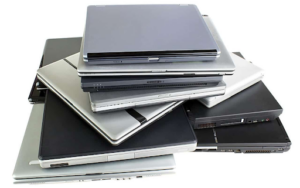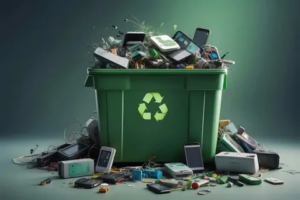
Every office in Dubai holds old computers. They sit in storage rooms, server closets, and under desks. Each one stores client records, emails, passwords, and financial files. Throwing these machines away, or handing them to the wrong buyer, puts your business at legal and financial risk. Working with the best IT scrap buyer in Dubai removes this risk and returns value from retired hardware. This guide explains why secure computer disposal matters, which rules apply, and which steps protect your company from first audit to final certificate.
Old Computers Store More Than You Expect
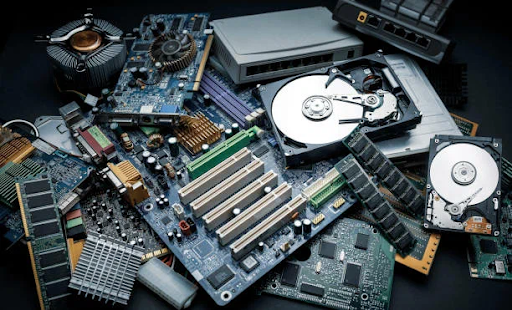
A hard drive records years of activity. Files, browser history, saved logins, email caches, and temporary documents stay on the disk long after you stop using them. Desktops often hold shared project folders and accounting data. Servers hold entire databases. Network devices store configuration files and access credentials.
Even printers and photocopiers keep scanned images on internal drives. Staff turnover adds risk. Departed employees leave files on machines, and nobody remembers what sits on each device. Without an inventory, you do not know what you are discarding.
Deleting Files Does Not Erase Data
Many managers believe emptying the recycle bin or formatting a drive removes data. Neither action does. Both remove only the index pointing to the files. The data stays on the disk until new data overwrites the same sectors. Free recovery tools restore deleted files within minutes. Proper sanitisation follows NIST SP 800-88 guidelines. The standard defines three levels. Clear overwrites data with software.
Purge uses methods such as cryptographic erase or firmware commands, which block recovery even with laboratory tools. Destroy physically shreds or crushes the media. Choose the level based on data sensitivity. Solid-state drives need special handling because overwriting does not reach every memory cell. Shredding suits SSDs holding regulated data.
Dubai Rules Apply to Your Disposal Process
UAE Federal Decree-Law No. 45 of 2021 on Personal Data Protection sets duties for any business handling personal data. The law requires appropriate security across the data lifecycle, and disposal belongs to that lifecycle. Companies in DIFC follow DIFC Data Protection Law No. 5 of 2020. ADGM runs its own regime. Check which framework covers your operation.
Sector rules add layers. Banks follow Central Bank of the UAE requirements. Healthcare providers must protect patient data under the UAE health data law. Environmental rules matter too. Electronic waste contains lead, mercury, and cadmium, which contaminate soil and water. Dumping devices in general bins creates compliance exposure and environmental harm.
The Real Cost of Poor Disposal
IBM’s Cost of a Data Breach research puts the global average above $4 million per incident. Costs include investigation, customer notification, legal fees, regulatory action, and lost contracts. Reputation damage lasts longer than the incident itself. A client file recovered from a discarded laptop ends relationships.
The environmental cost is also measurable. The UN’s Global E-waste Monitor reports 62 million tonnes of e-waste generated worldwide in 2022. Only 22.3 percent was documented as properly collected and recycled. Your disposal choices shift this number.
What Secure Disposal Looks Like
Follow six steps. First, take inventory. Record serial numbers, asset tags, and device types. Second, back up data you still need and migrate it to current systems. Third, classify each device by data sensitivity. Fourth, sanitise or destroy the storage media at the NIST level that matches the classification. Fifth, collect a certificate of data destruction listing serial numbers, method, and date. Sixth, send remaining materials to licensed recyclers and store all records for audits. This process takes days, not months. A good partner runs most of it for you.
Select a Reliable Disposal Partner
Not every buyer offering cash for old equipment protects your data. Some collect devices, resell them untouched, and disappear. Use clear criteria to find the best IT scrap buyer in Dubai for your business:
- Check data destruction procedures: Ask for a written process explaining how sensitive information is securely removed or destroyed.
- Request certificates: Ask for sample certificates confirming data destruction and proper equipment processing.
- Track every asset: Confirm that the buyer records serial numbers from pickup through final processing.
- Verify secure transportation: Look for a documented chain of custody that protects equipment during collection and transfer.
- Confirm recycling practices: Check whether the buyer uses licensed and responsible recycling channels for electronic materials.
- Protect business information: Request a confidentiality agreement before equipment leaves your premises.
- Understand pricing: Ask how desktops, servers, networking equipment, and other hardware are valued based on model, age, condition, and demand.
- Check collection capacity: Businesses handling office upgrades or relocations should confirm that the buyer can manage bulk volumes efficiently.
- Confirm service coverage: Make sure the provider operates across Dubai and the wider UAE when your business has multiple locations.
Mistakes to Avoid
- Do not store retired devices for years: Older computers lose resale value as newer processors and systems enter the market. Long-term storage also takes up space and can increase security risks.
- Avoid informal collectors: Select a buyer who provides proper documentation, secure transportation, and responsible recycling.
- Do not rely on formatting: A simple format or reset does not guarantee that sensitive data is permanently removed. Use an appropriate data sanitisation method.
- Cover every device: Include SSDs, phones, printers, servers, routers, and other equipment that may contain stored information.
- Demand written records: Do not accept verbal promises. Request asset tracking, data destruction details, recycling documentation, and certificates for completed disposal.
Conclusion
Secure computer disposal protects your data, your legal standing, and your reputation. Take inventory, sanitise media to NIST levels, and keep certificates for every device. Set clear criteria before you hire a partner, and avoid informal collectors. Retire hardware on a schedule so value stays high. A trusted desktop computer scrap buyer handles pickup, data destruction, and recycling in one process, so your team focuses on the business while old machines leave the building safely.
IT Scrap Buyer is a UAE-based buyer of used, damaged, and unused IT equipment. The company serves businesses in Dubai, Sharjah, and across the Emirates with fair pricing, fast pickup, and eco-friendly handling. Clients use IT Scrap Buyer to clear retired computers, servers, and networking gear without storage costs or disposal worries.