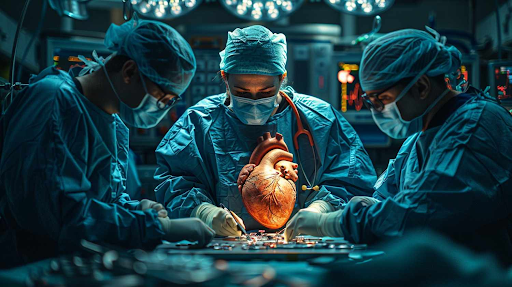
Cardiac surgery has advanced significantly, offering patients procedures that are safer, more accurate, and tailored to their unique heart conditions. One of the most transformative innovations in this field is minimally invasive robotic surgery in Gurgaon, which allows surgeons to perform complex interventions with unprecedented precision. These techniques not only reduce the risk of complications but also support faster recovery, improved heart function, and better overall patient outcomes.
Precision Planning in Cardiac Surgery
Effective risk reduction starts with careful planning and evaluation. Precision cardiac surgery relies on advanced diagnostics to map heart structures, locate blockages, and determine the optimal surgical approach.
- Detailed Imaging Assessments
High-definition imaging, including CT scans and echocardiography, allows surgeons to visualize the heart with exceptional clarity. This reduces intraoperative surprises and ensures that procedures are highly targeted. - Personalized Surgical Strategies
Every patient’s cardiac anatomy is unique. Surgeons develop customized plans based on individual heart conditions, improving both safety and effectiveness. - Risk Identification
Preoperative evaluations help identify potential complications such as blood clots, infections, or arrhythmias. Understanding these risks in advance allows surgical teams to mitigate them proactively. - Team Coordination
A multidisciplinary team, including anesthesiologists, cardiac nurses, and rehabilitation specialists, ensures seamless execution of complex surgeries, enhancing patient safety and recovery.
Role of Robotic-Assisted Techniques
Robotic systems have transformed cardiac surgery by enabling precise movements in small, confined areas of the heart. These innovations minimize tissue damage and reduce the risk of post-operative complications.
- Enhanced Surgical Accuracy
Robotic instruments provide greater dexterity than traditional tools. This allows surgeons to navigate delicate heart structures with minimal disruption, reducing trauma and the likelihood of errors. - Smaller Incisions, Lower Risk
By limiting incision size, robotic-assisted surgery reduces the risk of infections and promotes faster wound healing. Patients experience less post-operative pain and a shorter hospital stay. - Better Visualization
Advanced robotic systems offer 3D magnified views of the surgical site, enabling surgeons to perform highly precise interventions. Enhanced visualization reduces the risk of unintended tissue damage. - Efficiency in Complex Cases
For patients with intricate heart conditions or multiple blockages, robotic assistance allows surgeons to operate with more control and accuracy, ensuring better outcomes.
Minimally Invasive Heart Surgery for Safer Recovery
Minimally invasive techniques are a cornerstone of risk reduction in modern cardiac care. Procedures such as minimally invasive heart surgery in Gurgaon focus on limiting surgical trauma while maximizing functional recovery.
- Reduced Trauma to Healthy Tissue
Small incisions and careful navigation preserve the surrounding heart and chest tissue. This lowers the chance of complications and speeds up the healing process. - Lower Risk of Infection
Minimally invasive approaches reduce exposure of internal tissues, significantly decreasing post-operative infection rates compared to traditional open-heart procedures. - Shorter Hospitalization
Patients benefit from quicker recovery and early mobilization, allowing them to return to daily activities sooner and with less discomfort. - Enhanced Rehabilitation Potential
Smaller incisions and precise interventions facilitate effective post-surgery rehabilitation, helping patients regain strength and cardiac function more efficiently.
Integration of Advanced Imaging and Monitoring
Modern precision surgery combines advanced imaging with real-time monitoring to further reduce risks. Surgeons track vital signs, cardiac performance, and surgical progress throughout the procedure.
- Intraoperative Monitoring
Continuous monitoring of heart rate, blood pressure, and oxygen levels allows immediate adjustments during surgery, minimizing risks. - Guided Instrumentation
Imaging technologies direct surgical instruments with high accuracy, ensuring precise placement and reducing the chances of errors. - Early Detection of Complications
Advanced monitoring enables the surgical team to respond immediately if any anomaly occurs, improving patient safety. - Data-Driven Decision Making
Real-time feedback ensures informed decisions at every stage, supporting optimal surgical outcomes and risk reduction.
Patient-Centered Benefits of Precision Surgery
The ultimate goal of precision cardiac surgery is to provide patients with safer procedures and better recovery experiences.
- Faster Recovery
Less tissue damage and smaller incisions contribute to shorter hospital stays and quicker return to normal life. - Reduced Postoperative Pain
Targeted surgical interventions minimize trauma, allowing patients to experience less discomfort and lower reliance on pain medication. - Lower Complication Rates
Precision planning and advanced tools reduce risks of infection, bleeding, and other postoperative complications. - Improved Long-Term Outcomes
Patients maintain stronger heart function over time, with a lower likelihood of repeat interventions or complications.
Supporting Research and Clinical Evidence
Extensive studies validate the effectiveness of precision cardiac surgery in reducing risks and improving recovery rates. Patients undergoing robotic-assisted and minimally invasive procedures show higher survival rates, lower complication incidence, and faster rehabilitation compared to traditional surgery.
- Clinical Success in Complex Cases
Patients with multiple blockages or prior cardiac interventions achieve significantly improved outcomes when treated with modern precision techniques. - Enhanced Functional Recovery
Evidence demonstrates that patients regain energy and cardiac performance more quickly, enhancing quality of life. - Patient Satisfaction and Quality of Care
Positive feedback from patients reflects the reduced pain, shorter hospital stays, and better overall experience provided by advanced cardiac procedures. - Global Recognition
Leading cardiac centers worldwide are adopting these approaches, confirming their effectiveness and growing importance in modern heart care.
Conclusion
Precision cardiac surgery has transformed heart care, offering safer procedures, faster recovery, and better long-term outcomes. For patients requiring advanced interventions like CABG bypass surgery in Gurgaon, having expert guidance is crucial. Dr. Udgeath Dhir stands out as a leading authority in cardiac surgery, combining unmatched surgical expertise with the latest minimally invasive and robotic-assisted techniques. Under his care, patients receive world-class treatment tailored to their specific heart conditions, ensuring optimal safety, precision, and recovery. With a commitment to excellence and patient-centered care, Dr. Udgeath Dhir and his team deliver results that restore heart health, enhance quality of life, and set a new benchmark for cardiac care in Gurgaon.