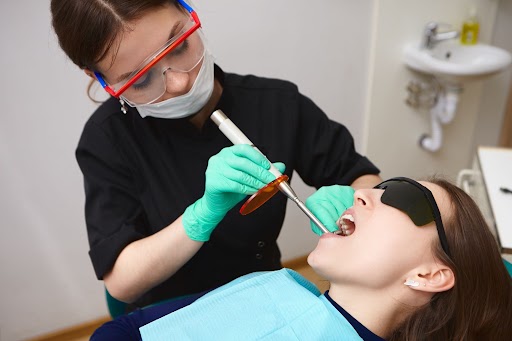
Modern dentistry is evolving. Patients today ask more questions about the materials used in their mouths, the systemic effects of dental procedures, and whether their practitioner is trained to consider whole-body health. In response to this shift, a new approach to dental education has emerged — one that bridges conventional oral care with biological science, functional medicine, and patient-centered thinking.
The Biodentistry Global Standard Institute stands at the heart of this movement. It represents a structured, internationally recognized approach to biological dentistry — setting benchmarks for how practitioners are trained, how treatments are delivered, and how the profession defines quality care.
Understanding Biological Dentistry and Its Global Rise
Biological dentistry goes beyond treating teeth in isolation. It examines the relationship between oral health and systemic wellness, evaluating how dental materials, procedures, and interventions can affect the body as a whole. Practitioners in this field approach root canals, mercury amalgam removal, fluoride use, and biocompatible material selection with scientific rigor and patient-specific consideration.
This approach has gained traction across Europe, North America, and parts of Asia over the past decade. Growing patient awareness around toxin exposure, immune sensitivity, and integrative health has pushed demand for practitioners trained in more than traditional dentistry. The need for a coherent global standard has never been more pressing.
The Role of the Biodentistry Global Standard Institute in Shaping the Profession
The Biodentistry Global Standard Institute was established to address a critical gap: while biological dentistry was growing in practice, it lacked a unified educational and credentialing framework. Without standards, practitioners trained under wildly different curricula, and patients had no clear way to assess whether a biological dentist was genuinely qualified.
The institute fills that gap by defining what biological dental education should look like — the subjects covered, the clinical competencies required, and the ethical principles practitioners must uphold. It also provides a reference point for ongoing professional development, ensuring that dentists remain current as research in biocompatibility, oral microbiome science, and systemic connections continues to advance.
For practitioners, affiliation with or recognition from the Biodentistry Global Standard Institute signals a commitment that goes beyond a certificate on a wall. It reflects structured learning, peer accountability, and alignment with a body of scientific and clinical evidence.
Core Areas Covered Under the Global Standard
The global standard developed by the Biodentistry Global Standard Institute encompasses several core areas of biological dental practice:
- Biocompatible Materials: The selection and use of materials that are compatible with human biology, minimizing immune reactions and long-term toxicity risks.
- Mercury-Safe Protocol: A detailed approach to the safe removal of amalgam restorations, minimizing patient and practitioner exposure to mercury vapor during procedures.
- Oral-Systemic Health: The scientific understanding of how periodontal disease, root canals, and oral infections relate to cardiovascular health, metabolic conditions, and autoimmune responses.
- Nutrition and Oral Ecology: The influence of diet, gut health, and the oral microbiome on dental outcomes and overall wellness.
- Patient Communication: Informed consent practices, transparency about materials, and the ability to engage patients as active participants in their care decisions.
These areas form the foundation of what the Biodentistry Global Standard Institute considers essential knowledge for any practitioner entering or advancing within this field.
Why Patients Are Seeking Practitioners Trained to This Standard
Patient expectations have shifted considerably. Access to research, online communities, and integrative health information has made many dental patients more informed — and more demanding — than previous generations. They want to know whether the composite used in their filling is BPA-free. They want to understand the risks of a root canal. They want a dentist who will not dismiss their concerns about sensitivity to certain metals.
Practitioners trained under the Biodentistry Global Standard Institute framework are equipped to have these conversations. Their training includes not just the clinical side of biological dentistry, but the communication and ethical frameworks needed to navigate complex patient concerns with evidence and empathy.
This alignment between patient demand and practitioner training is what positions biological dentistry — and the institute that sets its standards — as a critical component of the profession’s future.
The shift is also visible in how dental practices market themselves. Terms like “mercury-free,” “biocompatible,” and “holistic dentist” appear with increasing frequency in practice descriptions — reflecting a genuine change in how practitioners wish to be perceived and how patients search for care. Practitioners trained under recognized standards are better positioned to use this language responsibly, backed by structured education rather than marketing intent.
Conclusion
The emergence of the Biodentistry Global Standard Institute reflects a fundamental rethinking of what dental education and practice should achieve. Establishing clear benchmarks for biological dentistry creates consistency, credibility, and a pathway for practitioners committed to care that goes beyond the tooth. As the connection between oral and systemic health becomes better understood, the standards this institute promotes will only become more relevant across the global dental community.