Biomarker analysis has become a critical part of modern biomedical research, especially in studies involving cardiovascular disease, platelet activation, inflammation, and vascular biology. Researchers rely on highly sensitive laboratory assays to measure biologically active molecules that influence blood clotting, immune responses, and cellular signaling. Among these important biomarkers, Thromboxane A2 (TXA2) continues to receive significant attention because of its role in platelet aggregation and vasoconstriction.
As scientific interest in cardiovascular and inflammatory disorders grows, laboratories increasingly depend on the Thromboxane A2 ELISA Kit for accurate biomarker quantification in biological samples. ELISA technology allows researchers to measure TXA2 concentrations with high sensitivity and reproducibility, making these kits valuable tools in pharmaceutical, clinical, and life science research.
What Is Thromboxane A2?
Thromboxane A2 is a lipid compound produced primarily by activated platelets during the blood clotting process. It belongs to a family of signaling molecules known as eicosanoids, which are derived from arachidonic acid metabolism.
TXA2 plays several important physiological roles, including:
- Promoting platelet aggregation
- Stimulating blood vessel constriction
- Supporting clot formation
- Participating in inflammatory responses
Because of these functions, abnormal TXA2 activity has been linked to cardiovascular diseases, thrombosis, hypertension, and inflammatory disorders. Researchers frequently study TXA2 pathways to better understand disease progression and therapeutic interventions.
Why Researchers Measure Thromboxane A2
Monitoring TXA2 levels helps scientists evaluate platelet activation, vascular function, and inflammatory activity within biological systems.
Cardiovascular Disease Research
Thromboxane A2 is strongly associated with platelet activation and blood clot formation, making it highly relevant in studies involving heart disease, stroke, and thrombosis.
Researchers often analyze TXA2 concentrations to investigate cardiovascular risk factors and assess the effects of anti-platelet therapies such as aspirin.
Inflammation Studies
TXA2 contributes to inflammatory signaling pathways and immune responses. Elevated levels may indicate inflammatory activity in tissues and vascular systems.
Drug Development Research
Pharmaceutical researchers frequently use TXA2 ELISA kits when evaluating drugs designed to inhibit platelet aggregation or reduce vascular inflammation.
Platelet Function Analysis
TXA2 measurement is commonly used to study platelet activation mechanisms and clotting behavior in experimental research models.
What Is a Thromboxane A2 ELISA Kit?
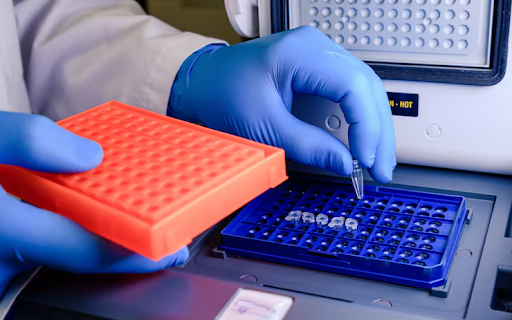
A Thromboxane A2 ELISA Kit is a laboratory assay designed to quantitatively measure TXA2 concentrations in biological samples using enzyme-linked immunosorbent assay technology.
Most ELISA kits contain:
- Pre-coated microplates
- Detection antibodies
- Standards and controls
- HRP conjugates
- Wash buffers
- Substrate solutions
- Detailed protocols
The assay typically uses competitive binding immunoassay principles, where TXA2 present in the sample competes with labeled antigens for antibody binding sites. Signal intensity is measured spectrophotometrically to determine analyte concentration.
Advantages of Using TXA2 ELISA Kits
ELISA technology remains one of the most widely used methods for biomarker detection because of its sensitivity, affordability, and ease of use.
High Sensitivity
Many TXA2 ELISA kits are capable of detecting extremely low analyte concentrations. MyBioSource lists sensitivities below 1.25 pg/mL for certain TXA2 assays.
Quantitative Results
ELISA assays provide accurate quantitative measurements that support statistical analysis and experimental reproducibility.
Broad Sample Compatibility
Researchers can use TXA2 ELISA kits with serum, plasma, tissue homogenates, and cell culture supernatants, depending on assay specifications.
Efficient Workflow
Commercial ELISA kits simplify laboratory workflows by providing optimized reagents and standardized protocols.
Laboratory researchers discussing TXA2 assays online often note that sample handling is especially important because TXA2 is highly unstable and rapidly converts into metabolites such as TXB2.
Important Considerations When Selecting a TXA2 ELISA Kit
Choosing the right ELISA kit is essential for generating reliable and reproducible research data.
Species Reactivity
Researchers should confirm that the kit is validated for the intended species, such as rat, mouse, human, or general reactivity.
Detection Range
Different kits support different concentration ranges. Reviewing assay sensitivity and detection limits helps ensure compatibility with the expected analyte levels in samples.
Sample Type Compatibility
Not all kits are validated for every biological sample type. Researchers should carefully review whether the assay supports serum, plasma, tissue lysates, or cell culture samples.
Assay Principle
Many TXA2 ELISA kits use competitive inhibition formats due to the small molecular size of thromboxane molecules. Understanding the assay format can help optimize experimental procedures.
Storage and Stability
Proper storage conditions are important for maintaining reagent stability and assay performance. Some ELISA kits require storage at -20°C for long-term preservation.
Final Thoughts
Thromboxane A2 ELISA kits continue to play an important role in cardiovascular, inflammation, and platelet research by enabling accurate measurement of TXA2 concentrations in biological samples. Their sensitivity, quantitative capabilities, and broad research applications make them valuable tools for biomedical laboratories worldwide.
As scientific research continues advancing in cardiovascular disease and inflammatory signaling, reliable ELISA assays remain essential for generating reproducible and meaningful experimental data.