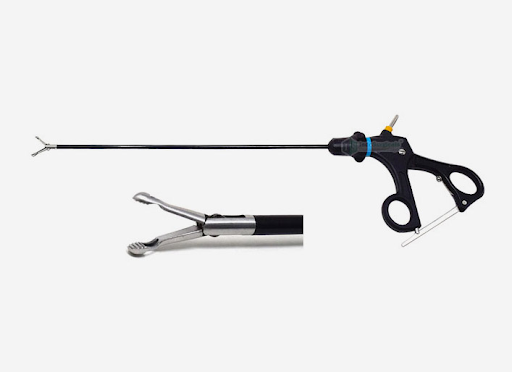
Modern healthcare continues to evolve with advanced technologies that prioritize patient safety and surgical precision. In this context, laparoscopic grapser plays a significant role in improving control and accuracy during minimally invasive procedures. These tools help surgeons perform delicate operations with reduced risk, better visibility, and enhanced stability throughout surgical interventions.
The integration of modern instruments in surgical environments has transformed traditional procedures into more controlled and efficient practices, significantly improving patient outcomes and recovery experiences.
Evolution of Minimally Invasive Surgical Tools
Minimally invasive surgery has developed rapidly with the introduction of advanced tools designed to reduce surgical trauma and improve precision. These instruments allow surgeons to operate through small incisions while maintaining high levels of control and accuracy.
- Reduced Tissue Disruption
Modern surgical tools are designed to minimize damage to surrounding tissues. This leads to less pain, quicker recovery, and reduced post-operative complications for patients. - Improved Surgical Visualization
High-definition imaging systems integrated with surgical tools provide clearer internal views. This helps surgeons make more accurate decisions during procedures. - Enhanced Procedural Stability
Advanced instruments offer better control during delicate operations. This reduces the risk of errors and improves surgical consistency.
Role of Precision Instruments in Surgical Safety
Precision instruments are essential in ensuring safe and effective surgical outcomes. The use of laparoscopic grapser allows surgeons to handle tissues with greater accuracy, improving overall procedural control and reducing risks associated with manual handling during surgery.
- Accurate Tissue Handling
Precision instruments allow surgeons to manipulate tissues with minimal force. This reduces unintended injury and enhances surgical accuracy. - Stable Instrument Control
Well-designed tools provide a steady grip and improved handling during complex procedures. This stability supports safer surgical environments. - Lower Risk of Complications
Accurate instruments reduce surgical errors and improve consistency. This results in safer outcomes and improved patient recovery.
Importance of Reliable Instrument Supply in Surgery
The availability of high-quality surgical instruments plays a key role in maintaining consistent healthcare standards. Hospitals and surgical centers depend on trusted laparoscopic instruments suppliers to ensure access to safe and reliable tools for minimally invasive procedures.
- Consistent Instrument Quality
Reliable suppliers ensure that instruments meet strict medical standards. This consistency supports safe surgical performance across procedures. - Timely Equipment Availability
Efficient supply chains help hospitals maintain uninterrupted surgical operations. This reduces delays and improves patient care efficiency. - Standardized Surgical Performance
Access to quality instruments ensures uniformity in surgical procedures. This enhances safety and improves clinical outcomes.
Impact of Advanced Tools on Surgical Outcomes
Modern surgical instruments significantly improve patient outcomes by enhancing precision, reducing complications, and supporting faster recovery. These tools are designed to improve every stage of the surgical process.
- Faster Recovery Times
Minimally invasive techniques reduce surgical trauma. This allows patients to recover more quickly and return to normal activities sooner. - Reduced Post-Surgical Risks
Advanced tools help minimize infection and complication risks. This improves overall patient safety after surgery. - Improved Surgical Accuracy
High-precision instruments allow better control during procedures. This ensures more successful surgical results.
Technological Advancements in Surgical Instrumentation
Technological progress has significantly enhanced the design and functionality of surgical tools. These innovations have made minimally invasive procedures more efficient and safer for both patients and surgeons.
- High-Definition Imaging Integration
Modern tools include advanced imaging systems for better visualization. This improves accuracy during surgical procedures. - Ergonomic Instrument Design
Improved designs reduce surgeon fatigue during long operations. This enhances precision and control. - Digital Surgical Assistance Systems
Advanced systems support real-time monitoring during surgery. This helps maintain accuracy and safety.
Training and Skill Development in Minimally Invasive Surgery
Proper training is essential for surgeons to effectively use advanced tools in minimally invasive procedures. Skill development ensures safer and more accurate surgical performance.
- Simulation-Based Training Programs
Surgeons practice procedures in controlled environments before real operations. This improves confidence and accuracy. - Technical Skill Enhancement
Hands-on training improves instrument handling techniques. This reduces the likelihood of errors. - Continuous Medical Education
Ongoing learning helps surgeons stay updated with new technologies. This improves overall surgical efficiency.
Maintenance and Sterilization Standards for Surgical Tools
Proper maintenance of surgical instruments ensures long-term performance and patient safety. Regular cleaning and inspection are essential for maintaining hygiene standards.
- Strict Sterilization Procedures
Instruments must be thoroughly sterilized after each use. This prevents infections and ensures patient safety. - Routine Equipment Inspection
Regular checks help identify wear and damage early. This ensures reliable surgical performance. - Safe Storage Practices
Proper storage prevents contamination and maintains instrument integrity. This ensures readiness for use.
Role of Surgical Precision in Patient Recovery
The quality and precision of surgical instruments directly impact patient recovery and long-term health outcomes. Better tools lead to safer and more effective procedures.
- Minimized Tissue Damage
Precision instruments reduce unnecessary trauma during surgery. This supports faster healing. - Shorter Hospital Stays
Less invasive procedures allow quicker recovery. This reduces overall treatment time. - Improved Long-Term Outcomes
Accurate surgeries result in better functional recovery. This enhances patient quality of life.
The Role of Surgical Ergonomics in Minimally Invasive Procedures
Surgical ergonomics plays a crucial role in improving both surgeon performance and patient safety during minimally invasive procedures. Well-designed instruments reduce physical strain, improve control, and allow smoother execution of complex surgical movements, which directly contribute to safer outcomes in the operating room.
- Reduced Surgeon Fatigue
Ergonomically designed instruments help minimize strain on the hands and wrists during long procedures. This allows surgeons to maintain steady control and precision throughout the surgery, improving overall safety. - Improved Instrument Handling Comfort
Balanced tools provide a natural grip and smoother handling experience. This enhances accuracy in delicate surgical tasks and reduces the chances of accidental movement during critical steps. - Better Long Procedure Performance
Minimally invasive surgeries can be lengthy and complex, requiring sustained focus. Ergonomic instruments support consistent performance, helping surgeons maintain precision from start to finish.
Conclusion
Modern minimally invasive surgery relies heavily on advanced instruments that improve precision, safety, and patient outcomes. The continued development of tools like laparoscopic grapser has significantly transformed surgical practices by enabling more controlled and effective procedures. The role of laparoscopic instruments suppliers remains essential in ensuring consistent access to high-quality surgical equipment worldwide.
Those who are looking for reliable and precision-driven surgical solutions can trust Salwan Surgicare, a professionally recognized name that consistently delivers advanced instruments designed to support surgeons with accuracy, safety, and dependable performance in modern healthcare environments.