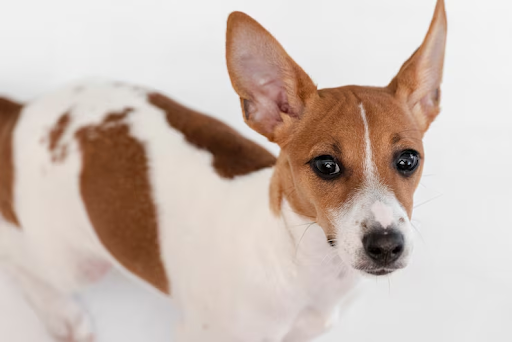
Watching your dog’s head suddenly start shaking in a rhythmic, back-and-forth or up-and-down motion is unsettling, especially the first time it happens. While it can look alarming, this particular pattern of movement is generally recognized as a distinct and usually benign condition, separate from the seizures many owners immediately worry about.
What Exactly Is This Condition?
Idiopathic head tremor syndrome refers to episodes of involuntary head shaking, typically moving side to side or up and down, that occur without a clearly identified underlying cause. The word “idiopathic” simply means the exact trigger isn’t well understood, though researchers generally believe it’s unrelated to epilepsy and doesn’t involve the abnormal brain activity seen in true seizures.
Which Dogs Are Most Commonly Affected?
Certain breeds appear more prone to this condition than others, including Bulldogs, Boxers, Doberman Pinschers, and Labrador Retrievers, though it can occur in any breed. Episodes often first appear when dogs are relatively young to middle-aged, and many affected dogs go on to have recurring episodes throughout their lives without any other health consequences.
How Is It Different From a Seizure?
This is usually the most important distinction for owners to understand. During a true seizure, a dog typically loses awareness of their surroundings, may fall over, and often shows other signs like drooling or paddling limbs. During an episode of head tremors, dogs generally remain fully alert, can still respond to their name, and are able to walk normally if encouraged to do so. This awareness during the episode is one of the clearest signs that distinguishes head tremors in dogs from a seizure disorder.
What Do These Episodes Actually Look Like?
Episodes usually appear suddenly, last anywhere from a few seconds to a couple of minutes, and stop just as abruptly as they started. Some dogs have episodes only occasionally, while others experience them more frequently over time. Outside of the episode itself, affected dogs typically behave completely normally, showing no lingering weakness, disorientation, or other neurological signs.
Can Anything Be Done to Stop an Episode in Progress?
Many owners find that distracting the dog, such as offering a treat or gently engaging them with food or a favorite toy, can shorten or stop an episode in progress. This distraction technique has become a commonly reported observation among owners dealing with idiopathic head tremors in dogs, though it doesn’t work for every dog every time and isn’t considered a formal treatment.
When Should You Actually Call Your Veterinarian?
While isolated episodes matching this pattern are often not an emergency, any new onset of head shaking still deserves a veterinary evaluation to rule out other causes, including ear infections, seizures, or other neurological conditions that can look similar at first glance. You should seek prompt veterinary attention if episodes are accompanied by loss of consciousness, disorientation afterward, or any other neurological symptoms, since these would suggest something other than benign head tremors.
How Is a Diagnosis Actually Reached?
Diagnosis is generally made by ruling out other conditions rather than through a single definitive test, which is why a thorough veterinary evaluation matters even when episodes seem to fit the typical pattern. Your veterinarian may recommend bloodwork, an ear examination, or in some cases advanced imaging to rule out other neurological causes before confirming this as the likely explanation.
What Long-Term Management Usually Looks Like
For most dogs, no ongoing treatment is needed between episodes, and the condition doesn’t typically shorten a dog’s life or significantly affect their day-to-day activities. Some veterinarians may recommend further monitoring if episodes become notably more frequent or change in character over time, since this can occasionally point toward a different underlying issue that deserves a fresh look.
Owners managing a dog with recurring head-shaking episodes often find it helpful to keep a simple log of when episodes happen, roughly how long they last, and anything unusual noted beforehand. This record can be genuinely useful if your veterinarian ever wants to reassess the diagnosis or rule out a new concern as your dog ages.
It’s worth remembering that idiopathic head tremors in dogs is ultimately a diagnosis of exclusion, meaning your veterinarian rules out other, more serious conditions before settling on this explanation. This process might feel like it’s taking longer than expected if your dog’s episodes seem textbook-typical, but that thoroughness is exactly what gives you confidence in the diagnosis rather than just an assumption based on how the episodes look.
Final Thoughts
Head tremors can look frightening in the moment, but for most dogs, this pattern turns out to be a benign, manageable condition rather than a sign of a serious underlying problem. Getting a proper veterinary evaluation after the first episode gives you clarity and peace of mind, and helps rule out other conditions that might need a different approach.