Ordering an areca palm online is one of the simplest ways to bring a “tropical corner” feeling into an Indian home. The plant’s feathery fronds and clumping growth habit make it a popular choice for living rooms, offices, and reception areas. With the right care after delivery, it can become a long‑lasting feature rather than a short‑term decorative piece.
What Is The Areca Palm And Where Does It Come From?
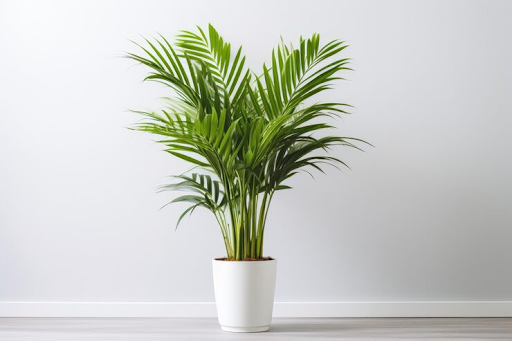
The areca palm (Dypsis lutescens) is a clumping palm species often called butterfly palm or golden cane palm. Originally from Madagascar and other tropical regions, it has adapted well to many warm climates and indoor environments. When you browse areca palm plant online, you’ll usually see it offered in different heights suitable for tabletops, floor planters, or larger indoor corners.
Its multiple stems and arching fronds give a softer, more layered look than single‑stem palms, which is why it works well in home and office interiors.
Light, Water, And Soil Requirements
A basic areca palm care guide light water soil temperature covers a few key points:
- Light: Bright, indirect light is ideal indoors. Direct harsh sun through glass can scorch fronds, while very low light slows growth and weakens the plant.
- Water: Keep the soil lightly moist but never soggy. Let the top layer dry slightly between waterings, and ensure the pot has proper drainage.
- Soil: A well‑draining, slightly rich mix works best. Heavy, compacted soil that stays wet can lead to root issues.
Temperature‑wise, areca palms prefer warm, stable conditions and can suffer if exposed to cold drafts or sudden temperature drops.
Indoor Areca Palm Care In Indian Homes
Areca palm indoor care in Indian homes typically means placing the plant in a bright room, slightly away from the harshest midday sun. Near east or west‑facing windows, filtered light through curtains often works well. Rotating the pot occasionally helps the plant grow evenly.
Indoors, dry air from AC or heaters can cause leaf tips to brown over time. This is partly normal for older fronds, but maintaining moderate humidity, avoiding strong drafts, and watering sensibly can reduce the effect. Regularly removing dust from fronds also keeps the plant looking fresh.
Outdoor Care And Placement
Areca palm outdoor care depends on your climate. In frost‑free, warm regions, the plant can be grown outdoors in large pots or in the ground, provided it receives bright light without being exposed to extremely harsh, drying winds or full midday sun all day.
Containers outdoors need more frequent watering than indoor pots, especially during hot, dry weather. Soil must drain well to prevent waterlogging during monsoon or heavy rains. In very strong sun areas, light shading or partial protection can help prevent leaf burn.
Common Pests And Problems
Areca palm common pests and diseases often include scale insects, mealybugs, and spider mites, particularly in very dry indoor air or on stressed plants. Early signs include sticky residue, tiny webbing, or white cottony patches on stems and fronds.
Basic areca palm care tips for problems include:
- Isolating heavily affected plants if possible.
- Gently wiping leaves and stems with a damp cloth.
- Using appropriate plant‑safe treatments if needed, following instructions carefully.
Avoiding overwatering and ensuring good light reduces susceptibility to many issues.
Propagation And Long‑Term Growth
Areca palms form clumps with multiple stems. While propagation is more advanced for home gardeners, it can sometimes be done via careful division of clumps when repotting, ensuring each section has viable roots. The plant grows steadily rather than extremely fast, and regular repotting into slightly larger containers keeps it healthy.
Because it can reach good indoor heights over time, it’s wise to plan placement with future growth in mind—leaving enough ceiling and side space for fronds to expand.
Areca Palm And Vastu Considerations
Some people also consider Areca Palm benefits Vastu when placing the plant indoors. While interpretations differ, areca is often seen as a positive, air‑purifying, and aesthetically gentle presence. Areca Palm plant Vastu direction suggestions usually emphasise bright, welcoming areas like living rooms or corners that benefit from a softer, balanced look.
Even if you don’t follow Vastu strictly, thinking about how the palm visually anchors a corner or softens a wall can help you choose a satisfying spot.
Conclusion
Buying an areca palm online is an accessible way to introduce a larger, statement plant into your home or office without complicated care demands. With bright indirect light, well‑draining soil, balanced watering, and basic attention to pests and humidity, it remains one of the most achievable indoor palms for Indian conditions. Over time, it can become a familiar, calming presence that subtly reshapes how your space feels and looks.