Managing outdated desktop computers has become a major challenge for businesses as technology upgrades continue to accelerate. Companies often replace large volumes of desktops to improve productivity, security, and operational efficiency. However, disposing of these devices requires careful planning to protect sensitive data and reduce environmental impact.
A professional bulk normal desktop buyer helps organizations handle unused systems through secure collection, responsible recycling, and proper asset management. IT recycling services provide businesses with a reliable way to dispose of old desktops while recovering valuable materials and supporting sustainable technology practices.
Understanding Large-Scale Desktop Asset Disposal
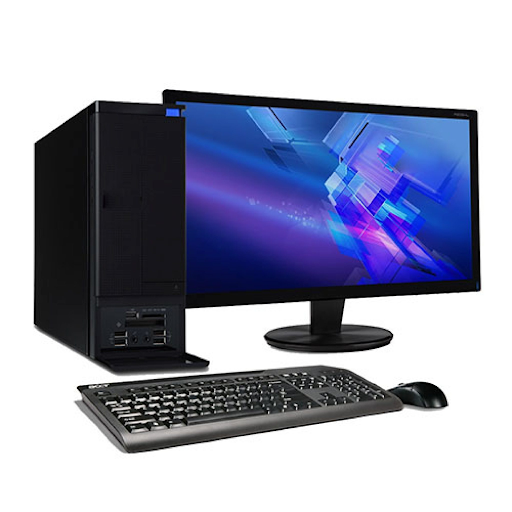
Large-scale desktop asset disposal involves managing the removal, processing, and recycling of outdated computer systems from businesses, institutions, and organizations. Unlike regular waste disposal, IT equipment requires specialized handling because desktops contain electronic components, storage devices, and materials that need responsible treatment.
Businesses may need desktop disposal services during:
- Office technology upgrades
- Company expansions or relocations
- Hardware replacement projects
- Inventory clearance
- IT infrastructure modernization
A structured IT recycling process ensures that old desktops are collected safely, data is removed securely, and reusable components are recovered effectively.
Why Businesses Need Professional IT Recycling Services
Many organizations store outdated desktops because they are unsure how to dispose of them correctly. Keeping unused equipment takes up valuable office space and may create security risks if devices contain confidential information.
Professional IT recycling services help businesses overcome these challenges by offering:
- Secure desktop collection and transportation
- Data destruction solutions
- Equipment evaluation and sorting
- Environmentally responsible recycling
- Recovery of reusable components
By working with experienced recycling providers, companies can simplify their disposal process while maintaining responsible IT asset management practices.
The Role of Secure Data Destruction in Desktop Recycling
Data security is one of the most important aspects of desktop disposal. Old computers may contain business documents, customer details, employee information, and other confidential data. Simply deleting files does not guarantee complete data removal because information can often be recovered using specialized tools.
IT recycling companies provide secure data destruction methods to protect businesses from potential data breaches. These methods may include:
Data Wiping
Certified data wiping removes stored information from hard drives and storage devices using secure processes that prevent unauthorized recovery.
Physical Drive Destruction
For devices containing highly sensitive information, physical destruction methods ensure that storage media cannot be reused.
Responsible Data Handling
Professional recycling providers follow organized procedures to ensure that data security remains a priority throughout the disposal process.
Secure data destruction allows businesses to recycle old desktops confidently without compromising sensitive information.
How IT Recycling Supports Sustainable Desktop Disposal
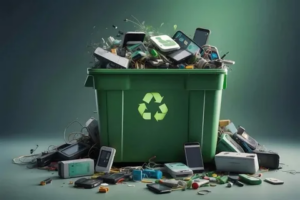
Electronic waste is one of the fastest-growing waste streams worldwide. Discarded desktops contain materials such as metals, plastics, and electronic components that require specialized recycling processes.
IT recycling supports sustainability by:
- Reducing electronic waste sent to landfills
- Recovering reusable materials
- Minimizing environmental pollution
- Supporting the circular economy
Instead of allowing old desktops to become waste, recycling helps transform outdated technology into useful resources for future manufacturing.
Desktop Evaluation and Asset Recovery Process
Before recycling, IT specialists evaluate desktop equipment to determine the best disposal method. Some systems may still contain valuable components that can be reused, refurbished, or recovered.
The evaluation process generally includes:
Equipment Inspection
Professionals check the condition of desktops, including processors, memory, storage devices, and other internal components.
Value Assessment
Functional parts and materials are identified to determine their reuse or recycling potential.
Responsible Processing
Devices that cannot be reused are dismantled and processed through environmentally responsible recycling methods.
Businesses looking for efficient desktop disposal solutions often work with a best normal desktop buyer in Dubai to ensure their outdated equipment is handled through professional recycling channels.
Benefits of Bulk Desktop Recycling for Organizations
Handling hundreds or thousands of desktops manually can be time-consuming and costly. Bulk recycling services provide businesses with an efficient solution for managing large quantities of outdated IT equipment.
Key benefits include:
Improved Workplace Efficiency
Removing unused desktops creates more organized workspaces and reduces storage requirements.
Reduced Disposal Risks
Professional recycling minimizes risks related to improper disposal, data exposure, and environmental damage.
Cost-Effective Asset Management
Businesses can recover value from old equipment while reducing the costs associated with storage and disposal.
Better Sustainability Performance
Responsible recycling supports corporate environmental goals and demonstrates commitment to sustainable practices.
The IT Recycling Process for Large Desktop Disposal
A professional IT recycling process usually follows several important steps:
1. Equipment Collection
Recycling specialists arrange secure pickup of outdated desktops from business locations.
2. Sorting and Assessment
Collected equipment is inspected and categorized based on condition, reuse potential, and recycling requirements.
3. Data Security Processing
Storage devices undergo secure data removal or destruction procedures.
4. Recycling and Material Recovery
Desktop components are processed to recover valuable materials while ensuring environmentally responsible disposal.
This structured approach allows businesses to manage large-scale desktop disposal with minimal disruption.
Choosing the Right IT Recycling Partner
Selecting the right recycling provider is essential for businesses managing large volumes of outdated desktops. Organizations should consider factors such as:
- Secure data destruction practices
- Experience with bulk IT equipment handling
- Environmentally responsible recycling methods
- Reliable collection services
- Transparent asset processing procedures
A trusted IT recycling partner ensures that every stage of desktop disposal is managed safely, efficiently, and responsibly.
Conclusion
Large-scale desktop asset disposal requires a secure and environmentally responsible approach. Businesses need reliable solutions that protect sensitive information, recover valuable resources, and simplify technology upgrades. Partnering with a professional bulk normal desktop buyer enables organizations to manage outdated desktops through secure collection, data destruction, recycling, and responsible asset recovery. IT recycling services help businesses reduce electronic waste while creating a more sustainable approach to technology management.
For businesses seeking dependable electronic waste solutions and secure asset management support, E-Waste IT Recycling provides reliable IT asset disposal and electronic waste management solutions across the UAE. Their services include secure data destruction, bulk equipment collection, desktop recycling, and responsible processing of outdated technology. With a focus on sustainability and safe handling practices, E-Waste IT Recycling helps businesses efficiently manage old IT assets while reducing environmental impact and supporting responsible electronic waste management.