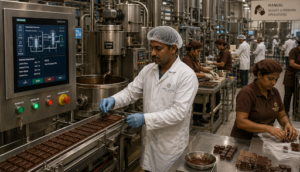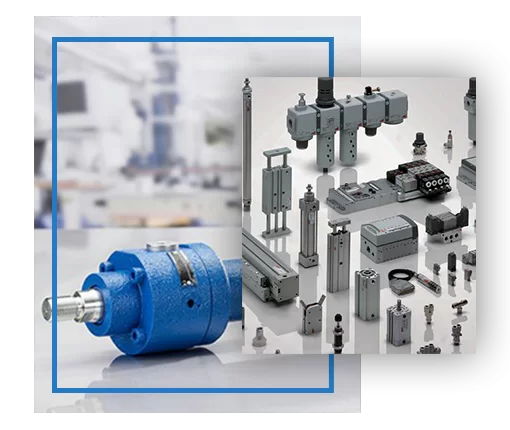
The UAE is rapidly transforming into a global hub for advanced manufacturing and smart industrial development. What was once a traditional, labour-intensive sector is now evolving into a highly connected ecosystem driven by digital systems, intelligent machines, and real-time data integration. This shift is not just improving productivity—it is completely redefining how industries operate, scale, and compete in the modern economy.
For businesses and decision-makers, understanding this transformation is essential because it directly impacts efficiency, cost control, and long-term competitiveness. One of the strongest forces behind this shift is the growing presence of automation companies, which are enabling industries to move from manual operations to fully integrated smart systems. Midway through this transformation, these companies are playing a critical role in bridging traditional industrial methods with next-generation technologies.
For readers, the real benefit lies in understanding how these changes can improve operational performance, reduce inefficiencies, and unlock new growth opportunities in a highly competitive market.
The Shift from Traditional to Intelligent Industrial Systems
Industrial operations in the UAE have evolved significantly over the past decades. Earlier systems relied heavily on manual labour, mechanical processes, and isolated machines that required constant human supervision. While these systems were functional, they lacked flexibility, speed, and scalability.
Today, industries are moving toward interconnected environments where machines, software, and control systems work together seamlessly. This transformation is enabling businesses to achieve higher precision, improved safety, and better control over production processes. As a result, factories are no longer just production units; they are becoming intelligent ecosystems capable of self-monitoring and optimisation.
Modern industrial systems are now designed to improve efficiency, reduce downtime, and support predictive maintenance. This evolution is especially visible in sectors such as manufacturing, logistics, oil & gas, and infrastructure development.
Technologies Powering Industrial Transformation
The rise of smart industries in the UAE is driven by several advanced technologies that work together to create efficient and intelligent production environments.
Key technologies include the following:
- Industrial IoT (Internet of Things) for real-time machine communication
- Artificial Intelligence for predictive analytics and process optimization
- Robotics systems for precision-based manufacturing tasks
- Cloud platforms for centralized monitoring and control
- Smart sensors for continuous equipment tracking and performance analysis
These technologies are not functioning independently; instead, they are integrated into unified systems that allow industries to make faster and more accurate decisions. This level of connectivity is what defines modern industrial transformation.
Role of Automation Companies in Industrial Development
The growth of advanced industrial systems would not be possible without the contribution of specialised service providers. Automation companies are at the centre of this transformation, offering expertise in system design, integration, and long-term operational support.
These companies help industries transition from outdated systems to fully automated environments by implementing customised solutions based on operational needs. Their role extends beyond installation, as they also ensure systems remain efficient through regular upgrades and maintenance.
In addition, companies support industries in improving productivity, enhancing workplace safety, and reducing operational costs. Their solutions are designed to make industrial processes more reliable, scalable, and future-ready, allowing businesses to adapt quickly to changing market demands.
Industrial Automation and UAE’s Growth Vision
The UAE is actively investing in advanced technologies as part of its broader vision to diversify its economy and strengthen its industrial base. This is where industrial automation in the UAE plays a major role in shaping the future of manufacturing and production systems.
The country is focusing on building smart factories that rely on data-driven decision-making, AI-powered systems, and highly efficient production lines. This shift is not only improving industrial output but also supporting sustainability goals and reducing resource wastage.
Key focus areas in this transformation include:
- Smart manufacturing systems with integrated automation
- Real-time data analytics for operational efficiency
- Energy-efficient production processes
- AI-based quality control and monitoring systems
This strategic direction is helping the UAE position itself as a leader in industrial innovation and advanced manufacturing in the region.
Role of Predictive Maintenance in Modern Industrial Systems
One of the most important advancements in today’s industrial landscape is the rise of predictive maintenance. Instead of waiting for machines to fail or relying on scheduled servicing, industries are now using real-time data and intelligent systems to predict potential breakdowns before they happen. This approach significantly reduces downtime, improves equipment lifespan, and lowers maintenance costs.
Predictive maintenance systems use sensors, AI, and machine learning to continuously monitor equipment health and detect early signs of failure. This allows industries to take proactive action, ensuring smooth operations and avoiding unexpected disruptions. In a fast-moving industrial environment like the UAE, this capability is becoming essential for maintaining efficiency and competitiveness.
Benefits of Automated Industrial Systems
The adoption of modern industrial systems brings significant advantages for businesses across various sectors. These benefits are not limited to production efficiency but also extend to long-term strategic growth.
Some of the most important benefits include:
- Improved productivity through continuous automated operations
- Higher accuracy and reduced human error in production processes
- Lower operational costs due to optimized resource usage
- Enhanced safety in high-risk industrial environments
- Scalable systems that support business expansion
These advantages make automation a key investment for industries aiming to remain competitive in a rapidly evolving global market.
Conclusion
The industrial landscape of the UAE is undergoing a major transformation driven by innovation, technology, and intelligent system integration. Traditional methods are being replaced by smart, automated environments that offer higher efficiency, better control, and improved scalability.
As industries continue to evolve, the role of digital systems and advanced engineering solutions will only become more important. Businesses that adopt these technologies early will be better positioned to achieve sustainable growth and operational excellence in the long run.
Ultimately, the evolution of automated industrial systems is not just a technological upgrade; it represents a complete shift toward smarter, more efficient, and future-ready industrial ecosystems in the UAE.
Dynamic Industrial UAE provides reliable industrial and engineering support solutions for manufacturing and infrastructure sectors in the UAE. The company focuses on efficient equipment supply and practical technical services for modern industries. Dynamic Industrial UAE is known for dependable, industry-focused support that helps businesses improve operations and performance.